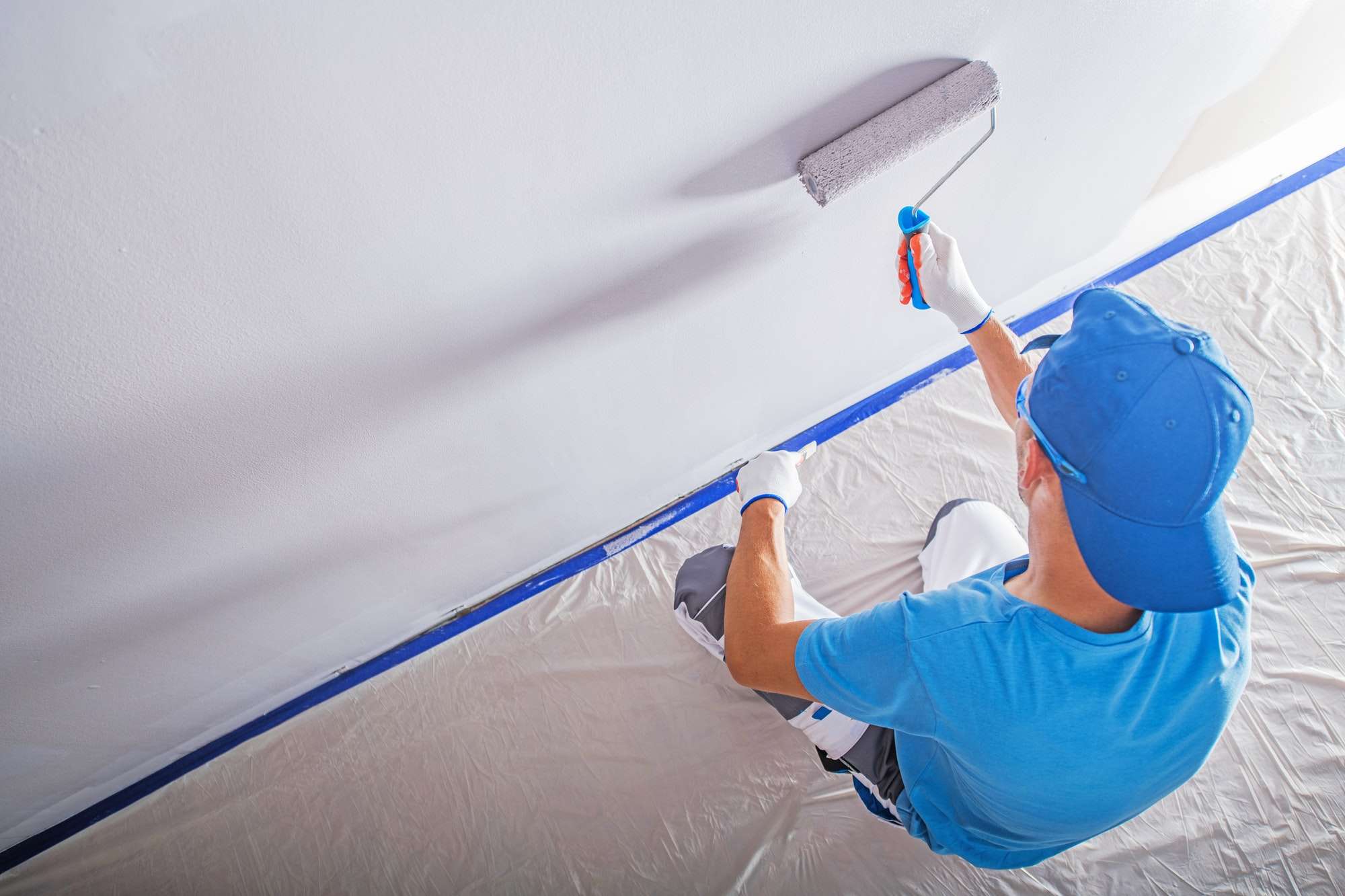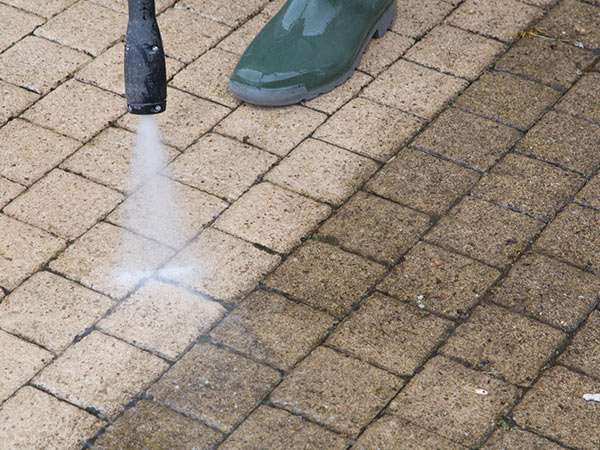
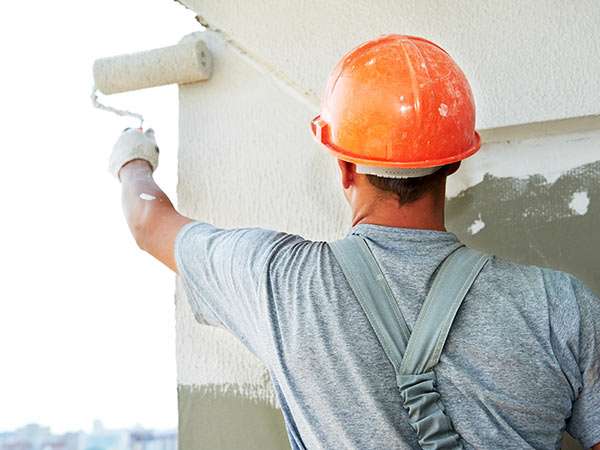
There’s no single answer to how often to repaint a house, because it depends on the surface, the product, how well it was prepared and how much sun and weather it gets. Painted walls are best judged by condition rather than a set number of years, while oiled and stained timber has manufacturer guide intervals that are much shorter. In Melbourne, the sunniest north and west sides usually tell you first.
Here is how to work out when your home, or your building, is actually due.
Why there’s no single repaint interval
A paint job’s life comes down to a handful of factors:
- The surface. Timber moves with moisture and weathers faster than masonry. Render and brick hold paint differently again.
- Exposure. A north-facing wall in full sun works much harder than a sheltered south wall under the eaves.
- Colour. Dark colours absorb more heat. Wattyl notes on its decking stain data sheet that darker colours can shorten the time between re-staining.
- Product and system. The right primer, the right topcoat and the right number of coats all matter.
- Preparation. Paint applied over poor preparation fails early, whatever the brand.
- Maintenance. Cleaning, and fixing small failures before they spread, extends the life of any coating.
That is why a neighbour’s house, painted the same year, can need work years apart from yours.
How often to repaint a house, by surface
Paint manufacturers publish guide maintenance intervals for exterior timber oils and stains, because those coatings are designed to weather away. For painted walls, there is no equivalent published interval, so condition is the guide.
| Surface | Published guidance | What shortens it |
|---|---|---|
| Oiled decks and outdoor timber furniture | Wattyl suggests recoating every 6 to 12 months, or as soon as the timber shows signs of weathering (Forestwood Deck and Furniture Oil) | Heavy foot traffic, full sun, rough-sawn or open-grained timber |
| Stained timber decks | Wattyl recommends annual cleaning and re-staining every 2 to 3 summers, or sooner if weathering shows (Forestwood Decking Stain) | Dark colours, high traffic, full sun |
| Stained timber cladding (cedar and pine) | Wattyl’s Forestwood guide gives a first maintenance at 12 to 36 months and then every 18 to 48 months, depending on timber and finish, based on a north-facing wall | Dark colours, oil rather than stain, dressed cedar boards |
| Painted weatherboards, render and brick | No fixed interval published. Judge by condition | Full sun, failed sealants, rising or trapped moisture, poor preparation |
| Interior walls, ceilings and trims | No fixed interval published. Usually repainted for appearance | High traffic, children, kitchens, humid bathrooms |
Wattyl describes its Forestwood figures as indicative, and notes that oils need more frequent maintenance than stains. Treat all of these as a starting point for inspections, not a fixed timetable.
Does Melbourne’s weather change how often you should repaint?
Melbourne throws a bit of everything at a house: strong summer sun, wet winters, cold nights and quick changes in between. That plays out in a predictable pattern:
- North and west elevations take the most sun. They usually fade, chalk and crack first.
- South elevations stay cooler and damper. They are more prone to mould and mildew than sun damage.
- Window sills, fascias and exposed timber trims often fail well before the walls around them.
- Bayside and coastal homes deal with salt and wind, which are hard on coatings and metalwork.
You don’t have to repaint everything at once. Repainting the hardest-working elevations and the timber trims on a shorter cycle, and the sheltered walls on a longer one, is a sensible way to spread the cost. For timing the work itself, see our guide to the best time to paint a house exterior in Melbourne.
What are the signs your house needs repainting?
Rather than counting years, walk around the house once a year and look for:
- Chalking. Rub the wall with your hand. A powdery residue means the paint is breaking down.
- Fading. Compare a sun-exposed wall with a sheltered spot, such as behind a downpipe.
- Cracking and flaking. Hairline cracks let water in, which leads to peeling.
- Peeling or blistering. Often a sign of moisture or adhesion problems that need fixing before repainting.
- Bare or grey timber. Once timber is exposed, it starts to weather and can split or rot.
- Failed caulking and sealants. Gaps around windows and joints let water behind the paint.
- Mould and mildew. Common on shaded southern walls and under eaves.
If you are seeing peeling or blistering, our guide to peeling, cracking and blistering paint explains the causes and fixes.
Older homes may have lead paint under the newer layers. Before sanding or scraping old paint, read our guide to lead paint in older Melbourne homes.
Why repainting early costs less than waiting
The biggest part of most repaints is preparation, not the paint. When the coating is still sound and only faded or chalking, a repaint usually needs cleaning, light sanding, spot repairs and new coats. Once it is peeling and the timber underneath is exposed, the job grows to include scraping back, treating or replacing damaged timber, and priming bare areas.
Catching a house at the faded-and-chalky stage, rather than the peeling-and-split stage, is usually the cheaper option. Simple maintenance between repaints also helps: wash down exterior walls gently to remove dirt and mould, clear gutters so water doesn’t run down walls, and touch up small chips before they spread.
What about interiors and strata buildings?
Interiors: appearance more than protection
Inside, paint is protected from the weather, so repainting is mostly about how it looks and how well it cleans. Busy areas such as hallways, kids’ rooms, kitchens and family rooms tend to need refreshing sooner than formal rooms and bedrooms. Bathrooms and laundries need the right product as well as the right timing. Our interior painting team can tell you whether walls need a full repaint or just a wash and touch-up.
Strata buildings: plan it 10 years ahead
Owners corporations face the same question on a larger scale. In Victoria, tier one and tier two owners corporations must have a maintenance plan covering major capital items over the next 10 years, including when each item will need repair or replacement and the estimated cost. External painting is one of the most predictable items in that plan. Our strata committee’s guide to repainting covers the process in detail.
AMP Master Painters runs strata and maintenance plans that schedule repainting, touch-ups and pressure cleaning around the building and its budget. For houses, a free site inspection and written exterior painting quote will tell you which parts of your home are due now and which can wait.
The bottom line
By the manufacturer’s own guidance, oiled timber needs recoating within about a year and stained decks every few summers. Painted walls don’t have a set interval: check them every year, starting with the north and west sides, and repaint when you see chalking, fading, cracking or peeling. Acting at the first signs keeps preparation, and the bill, smaller.