How much does it cost to paint a room in Melbourne?
What does it cost to paint a room in Melbourne? 2026 price ranges for bedrooms, living areas, ceilings and feature walls, plus what moves the price.
Family owned since 1998 · Painting Melbourne homes and businesses
Free site inspection · Next-day quotes1300 61 61 51
AMP 01 · Interior painting
A fresh interior changes how a home feels. We protect your floors and furniture, prepare every surface properly and leave the house clean at the end of each day, so the only thing you notice is the finish.

Most Melbourne homes mix modern plasterboard with older solid plaster, timber trims and painted doors, and each surface needs its own treatment. New plasterboard and patched areas take a sealer or undercoat first, so the top coats dry to an even colour. Older plaster often has fine cracks around cornices and door frames that need raking out and filling before they are painted over.
We match the finish to how each room is used:
Our guide to paint sheen levels explains the choices, and painting kitchens and bathrooms covers wet areas and mould.
The paint is only as good as the surface under it. Before any colour goes on we fill holes and dents, sand the repairs flush, gap the joins between walls and trims, and wash down greasy surfaces such as kitchen walls. Water stains and marks are sealed with a stain-blocking primer so they do not bleed back through.
In homes built before 1970, old paint may contain lead. We raise this at the inspection and plan the preparation around it, because lead paint should never be dry sanded. Our guide to lead paint in older homes explains why.
Ceilings show every flaw because light rakes across them from the windows. Water stains from an old leak are sealed with a stain-blocking primer once the leak is fixed, sagging or cracked plaster around cornices is repaired, and ceilings are finished in a flat paint that hides joins.
Small plaster repairs are part of every interior job: picture hook holes, dents from furniture, cracks over doorways and the patches left after a new power point or a removed fitting. Repairs are filled, sanded flush and spot primed so they disappear under the top coats. Larger damage, such as a collapsed ceiling or a wall that needs replastering, is a job for a plasterer first, and we can paint once it is done.
A feature wall adds depth to a room without repainting it all. Our colour consultation helps choose a shade that works with the rest of the scheme, and our guide to testing paint colours shows how to try it first.
Cupboards and built-ins need a tougher system than walls; see kitchen cabinet painting. If you are getting ready to sell, pre-sale painting covers what to repaint first.
We use premium interior paints from Dulux, Taubmans and Wattyl and follow each manufacturer’s system for the surface: the right sealer or undercoat, then two full top coats. Water-based paints are the standard for walls and ceilings, and low-odour options are available if someone in the house is sensitive to paint smell. Your quote sets out the colours and finishes for each area, so you know what is going on your walls.
We agree start and finish times with you before work begins. Each day starts with covering floors and furniture in the rooms we are working in, and ends with tools packed away, drop sheets folded and walkways clear. We work room by room, so most of the house stays usable and bedrooms can usually be slept in.
Before the job starts it helps to clear small items, pictures and valuables from the rooms being painted. Our checklist on how to prepare your home for painters covers the rest. At the end we walk through every room with you and fix anything missed before we leave.
Every interior is quoted after a free site inspection, because the same floor area can be a very different job from one house to the next. The main things that change the price are:
Our guides to what it costs to paint a room and what it costs to paint a whole house in Melbourne give current price ranges, and what a painting quote should include helps you compare quotes line by line.
Every job is covered by a written 7-year satisfaction guarantee and $10M public liability insurance. We are a member of Master Painters Australia and our team is Working with Children checked.
Usually not. We work room by room so most of the house stays usable, and we can use low-odour paints on request.
Yes. Colour consultation is part of our process, and we can bring Dulux, Taubmans and Wattyl samples to try on your walls.
It depends on the number of rooms, the condition of the walls and how many surfaces are being painted. We can tell you how long your job should take once we have seen it at the free inspection, and we agree a start date that suits you.
Low sheen or matt is the usual choice for living areas and bedrooms, flat for ceilings, and semi-gloss or gloss for doors and trims because they are tougher and easier to clean. We talk through the options at the inspection.
Clear small items, pictures and valuables from the rooms being painted. We move and cover the larger furniture and protect floors and fittings ourselves.
Our workmanship. If something we painted fails because of how we did it, we come back and fix it. The full terms are on your guarantee certificate.

AMP 02
Weatherboard, render, brick, eaves and fences, prepared so the finish lasts.
AMP 03
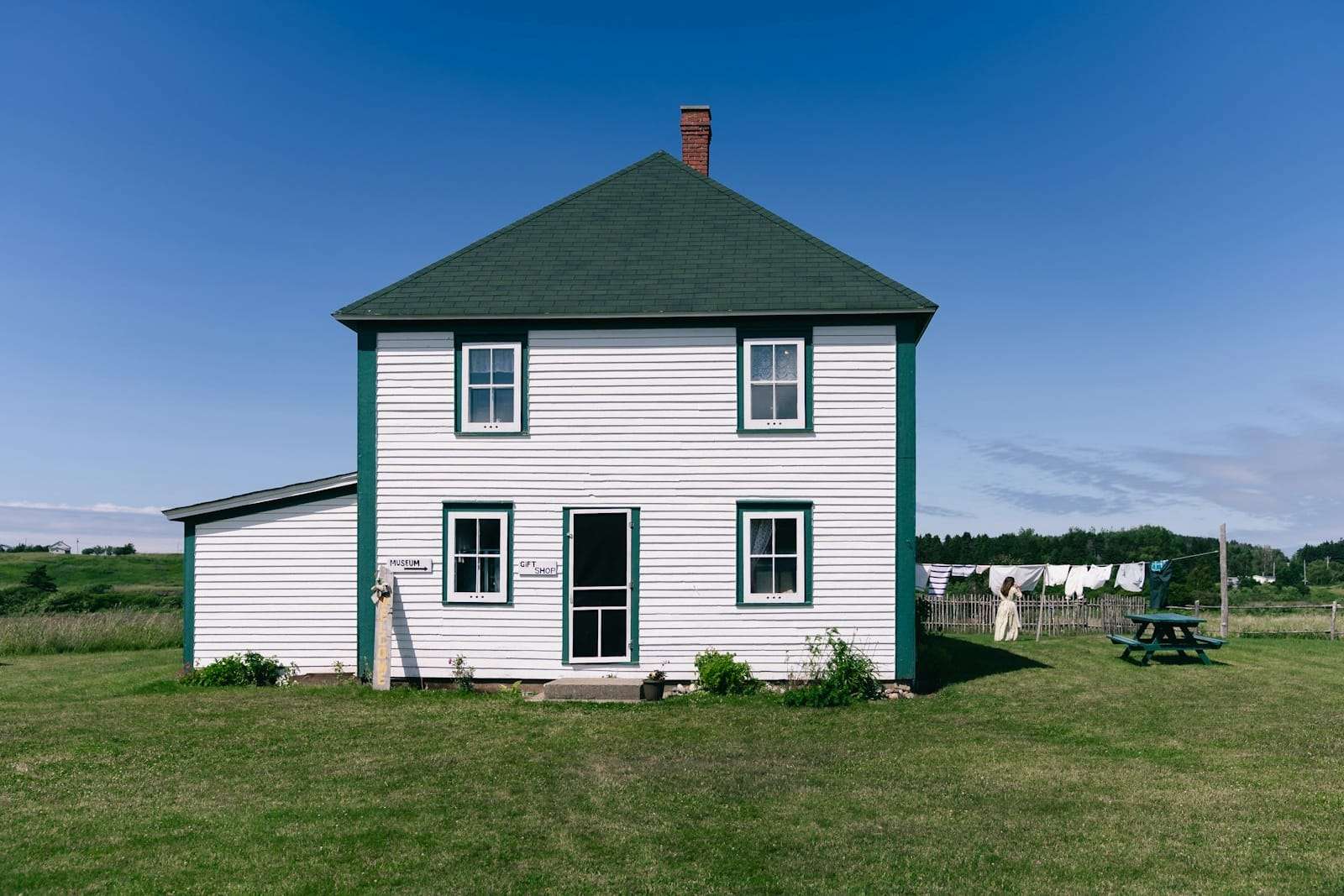
Boards, laps and trims prepared, sealed and repainted to last through Melbourne winters.
AMP 04
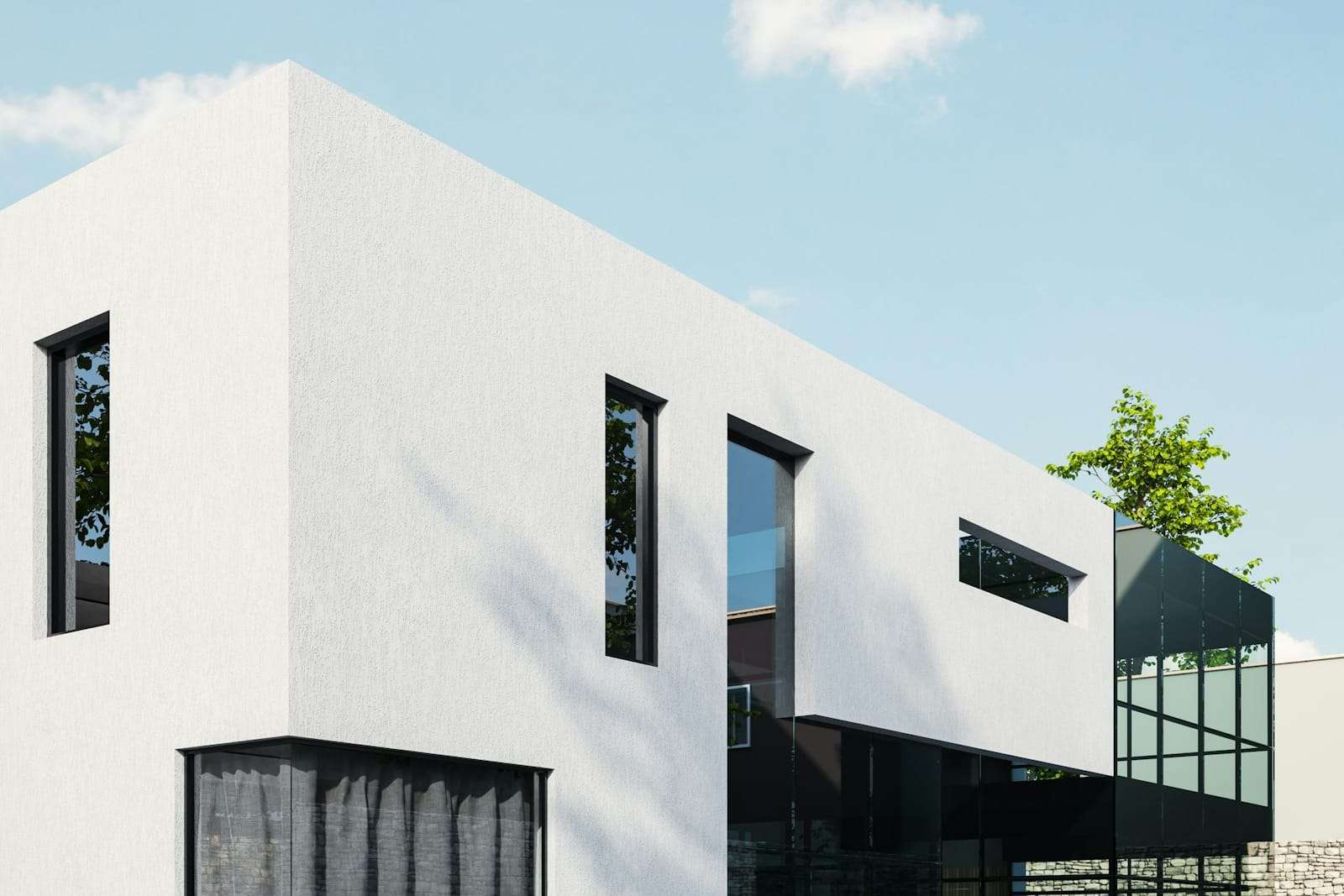
Cracks repaired, salts treated and render sealed before it is painted or coated.
What does it cost to paint a room in Melbourne? 2026 price ranges for bedrooms, living areas, ceilings and feature walls, plus what moves the price.
Our paint sheen guide compares flat, matt, low sheen, semi-gloss and gloss by room and durability, so you can choose the right finish before you paint.
Preparing for painters is mostly clearing space, sorting colours and planning around the family. Use this checklist so your interior repaint runs smoothly.
Book a free site inspection and get your written quote the next day.