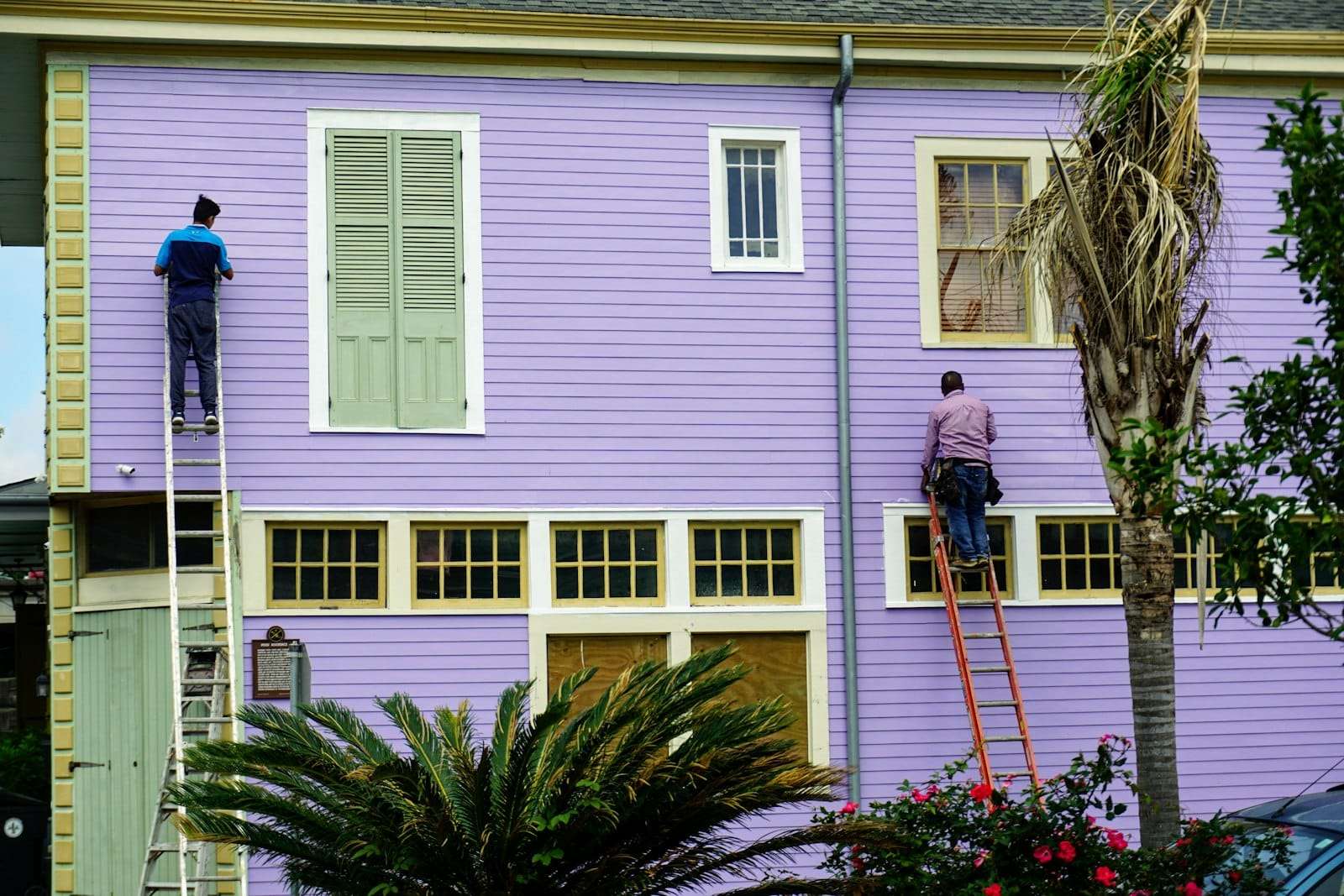
Deck and fence painting vs staining: which lasts longer?
Deck painting vs staining compared: how each finish wears, how often it needs recoating and which suits decks or fences. Get it right first time.
Family owned since 1998 · Painting Melbourne homes and businesses
Free site inspection · Next-day quotes1300 61 61 51
AMP 06 · Deck and fence painting
Decks and fences take more sun and rain than any other part of the house, and a deck takes foot traffic on top. We clean and prepare the timber or metal, then recommend paint, stain or oil to suit the surface, so the finish wears evenly instead of peeling.
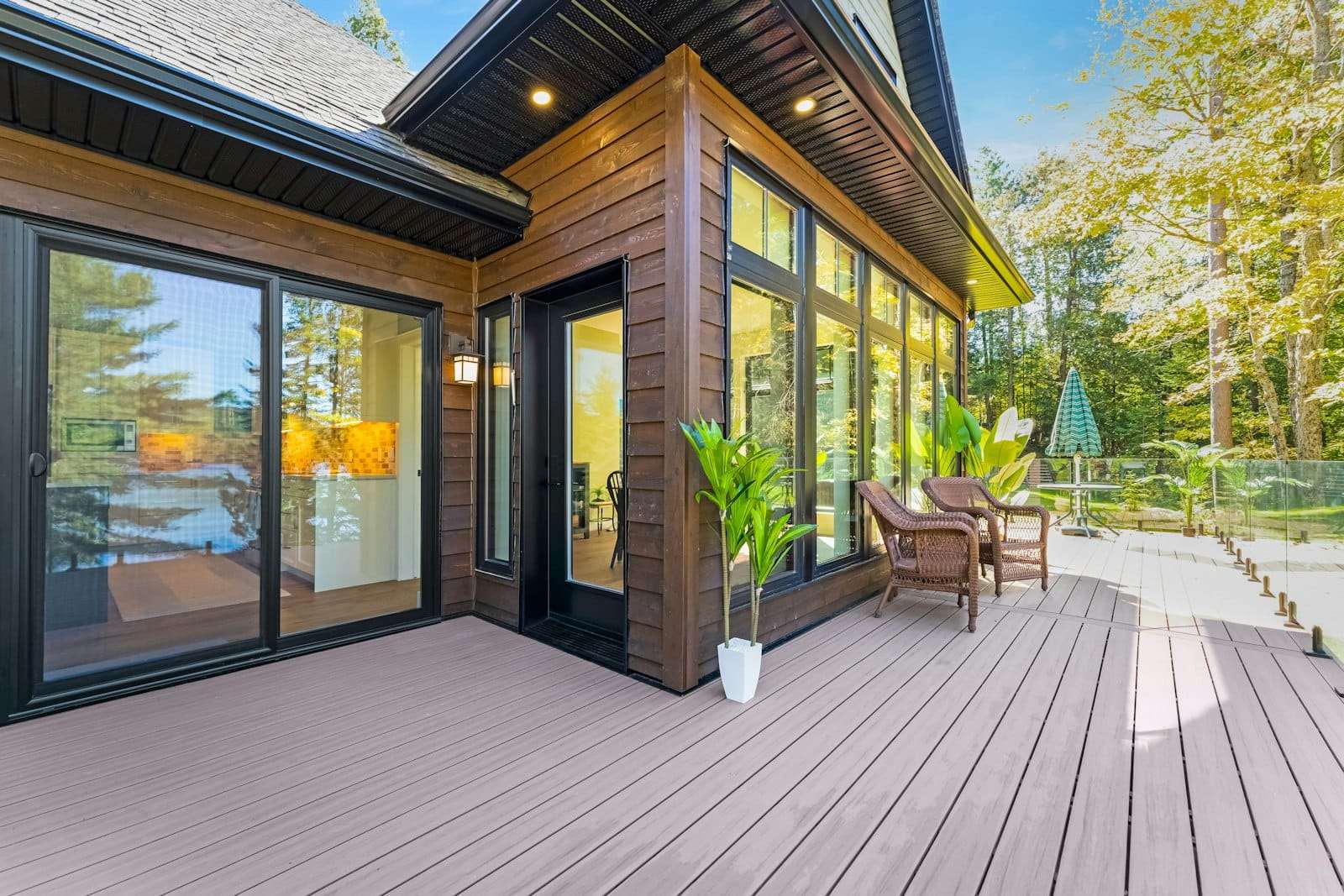
The first decision is the finish, and it depends on the surface. Paint forms a film on top of the timber. It holds its colour well on vertical surfaces such as fences, screens and pergola posts, but on a deck it eventually wears through under foot traffic and peels, and peeling paint has to be scraped back before it can be recoated. Stains and oils soak into the timber and wear away gradually, so a deck can usually be cleaned and recoated without stripping it.
What we usually recommend:
Our guide to deck painting vs staining compares the two side by side.
New hardwood decking such as merbau, spotted gum and jarrah is rich in tannins and natural oils that stop a finish soaking in. Coat it too early and the finish fails, so timber coating manufacturers recommend letting it weather for several weeks or treating it with a tannin and oil remover first. Merbau tannins can also stain paving and render below the deck, so the surrounding area is protected while the timber is cleaned.
If your deck has just been built, we can tell you when it will be ready to coat and come back at the right time, rather than coating it straight away.
Most of the work on an older deck or fence is preparation. We wash off dirt, mould and grey weathered fibres, sand rough and furry boards, punch down raised nails, and check posts and bottom rails for rot where they meet the ground. A deck that has been oiled before is cleaned and recoated with a compatible product. A deck that has been painted usually stays painted, because stripping it back to bare timber is a big job.
A simple test tells you when a deck is due: sprinkle water on the boards. If it beads, the finish is still working. If it soaks straight in, it is time to clean and recoat. Our guide to how often to repaint covers the other exterior surfaces.
Fences, gates and pergolas painted before 1970 may carry lead paint, so old paint is never dry sanded or blasted off. Our guide to lead paint in older homes explains why.
A boundary fence has two sides. Your side is yours to paint or stain, but the other side belongs to your neighbour, so we only coat it with their agreement. If you are both doing your sides, it is worth agreeing on a colour first.
We need clear access along the fence line and around the deck. Pots and outdoor furniture need moving, and climbing plants growing on the fence may need trimming back before we start. Garden beds, paving and walls next to the work are covered or masked.
Oils, stains and paints all need dry timber and mild weather. We avoid coating in hot direct sun, which dries the finish too quickly, and finish early enough that it is touch dry before evening dew. Keep foot traffic and furniture off a freshly coated deck for the time the product label gives, which is usually at least a day. Our article on the best time to paint outside in Melbourne explains how the seasons affect timing.
Deck and fence work is quoted after a free site inspection. The main factors are:
Our guide to exterior house painting costs in Melbourne explains how exterior work is priced, and what a painting quote should include helps you compare quotes.
Every job is covered by a written 7-year satisfaction guarantee and $10M public liability insurance. We are a member of Master Painters Australia and our team is Working with Children checked.
For most decks a stain or oil is easier to live with, because it wears away gradually and can be recoated without stripping. Paint gives a solid colour but peels under foot traffic. Our guide to painting vs staining compares them, and we recommend a finish for your deck at the free inspection.
It depends on the finish, the timber and how much sun the deck gets. Check it every six months or so: when water soaks straight into the boards instead of beading, it is time to clean and recoat. Painted and stained fences usually last longer between coats, because water runs off them.
Yes. Colorbond and other prefinished steel fences can be repainted once they are cleaned and prepared, using a primer and top coat made for metal. It is a good way to refresh a faded fence or change its colour.
Yes. Your side is yours to paint or stain. We only coat your neighbour’s side with their agreement.
It depends on the product. Most need at least a day before light foot traffic and longer before furniture and pot plants go back. We tell you the times for the product we use.
Yes. Every job comes with our written 7-year guarantee covering our workmanship. Oiled and stained decks still need regular recoating as the finish wears with use, and we can tell you what to expect for your deck. The full terms are on your guarantee certificate.

AMP 01
Walls, ceilings, trims and doors, with furniture moved and floors protected.

AMP 02
Weatherboard, render, brick, eaves and fences, prepared so the finish lasts.
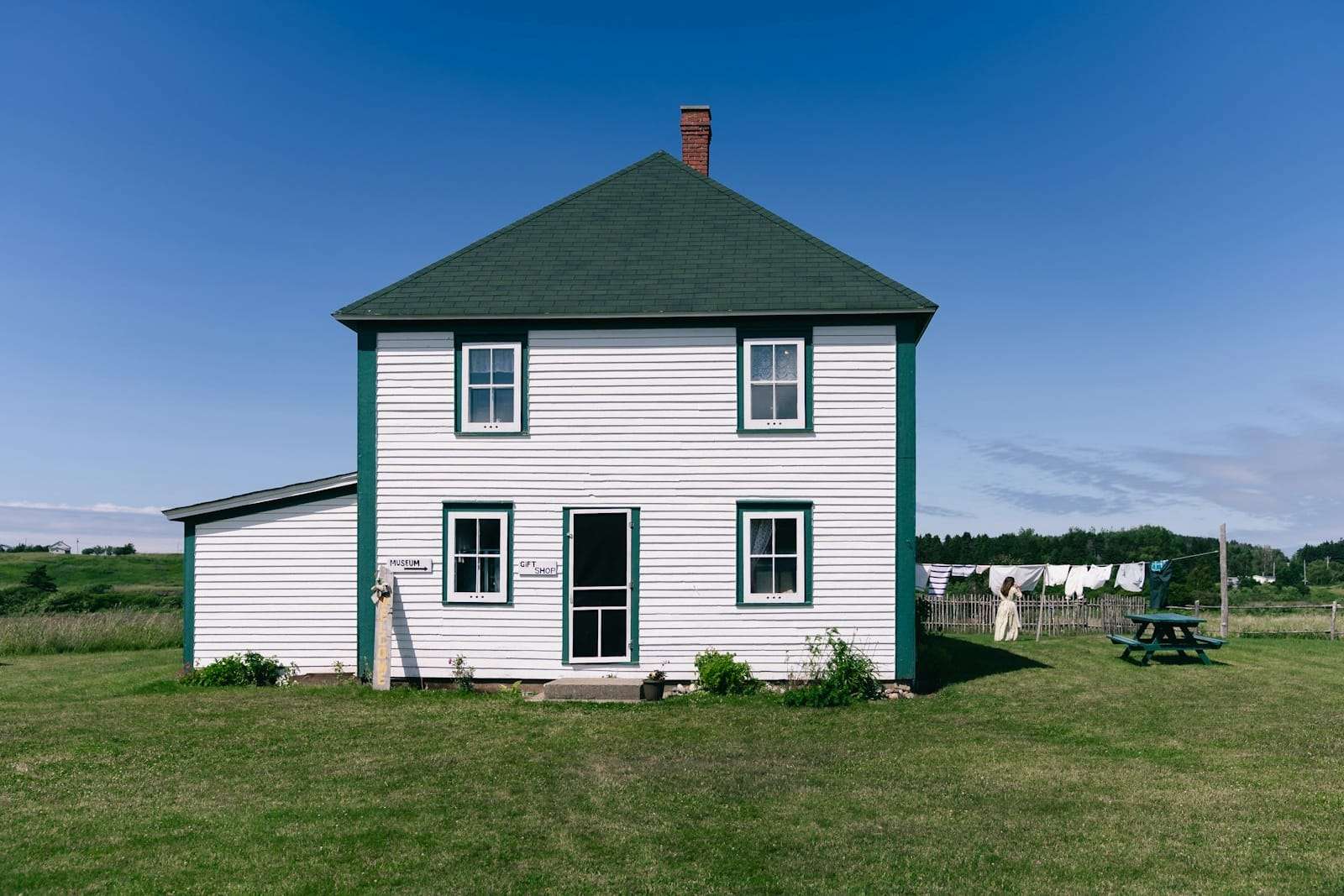
AMP 03
Boards, laps and trims prepared, sealed and repainted to last through Melbourne winters.
Deck painting vs staining compared: how each finish wears, how often it needs recoating and which suits decks or fences. Get it right first time.
The best time to paint exterior Melbourne homes, season by season, using Bureau of Meteorology data and paint makers' temperature limits.
How often to repaint a house depends on the surface, the sun and the paint. Manufacturer guidance for timber, plus the signs walls and trims are due.
Book a free site inspection and get your written quote the next day.