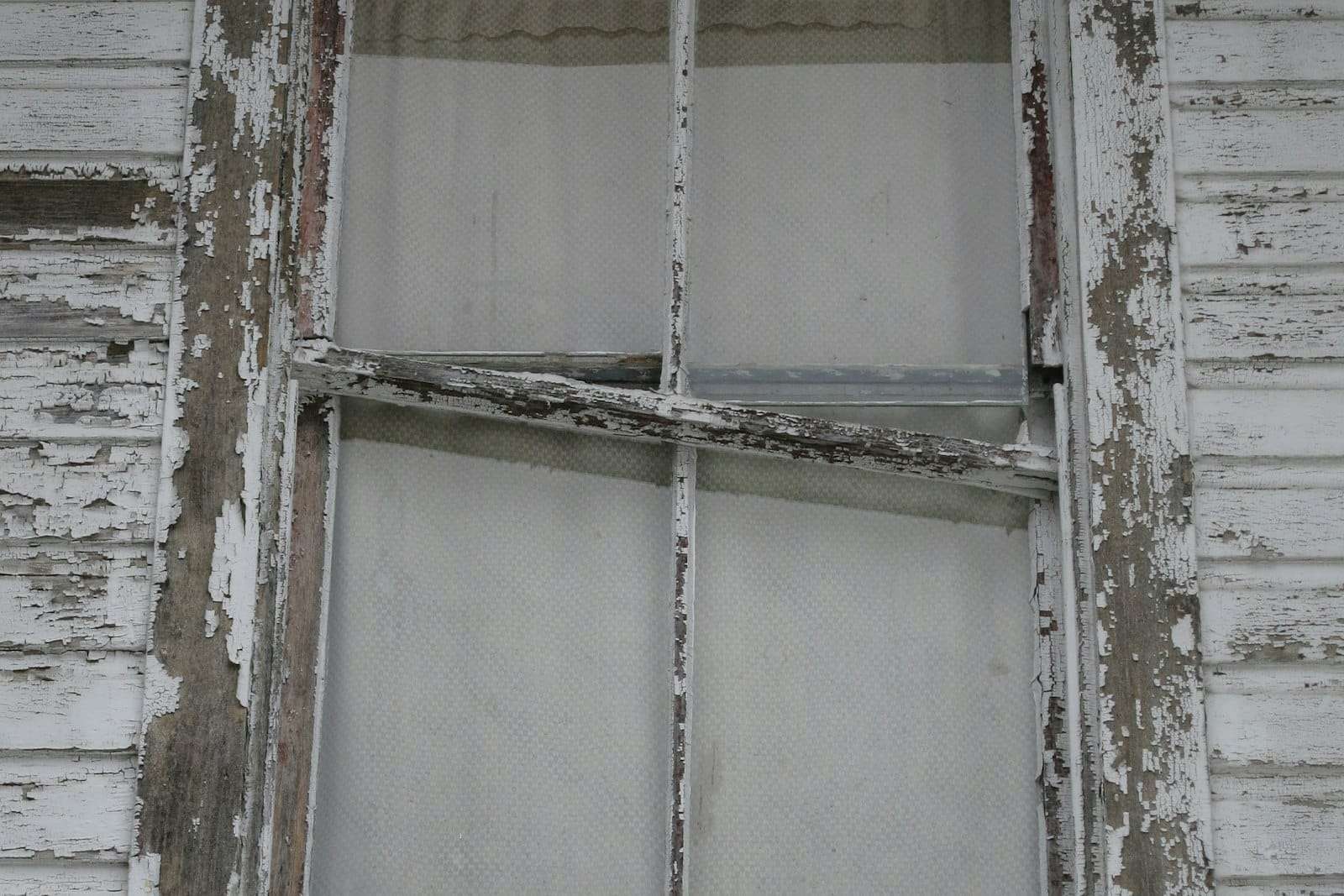
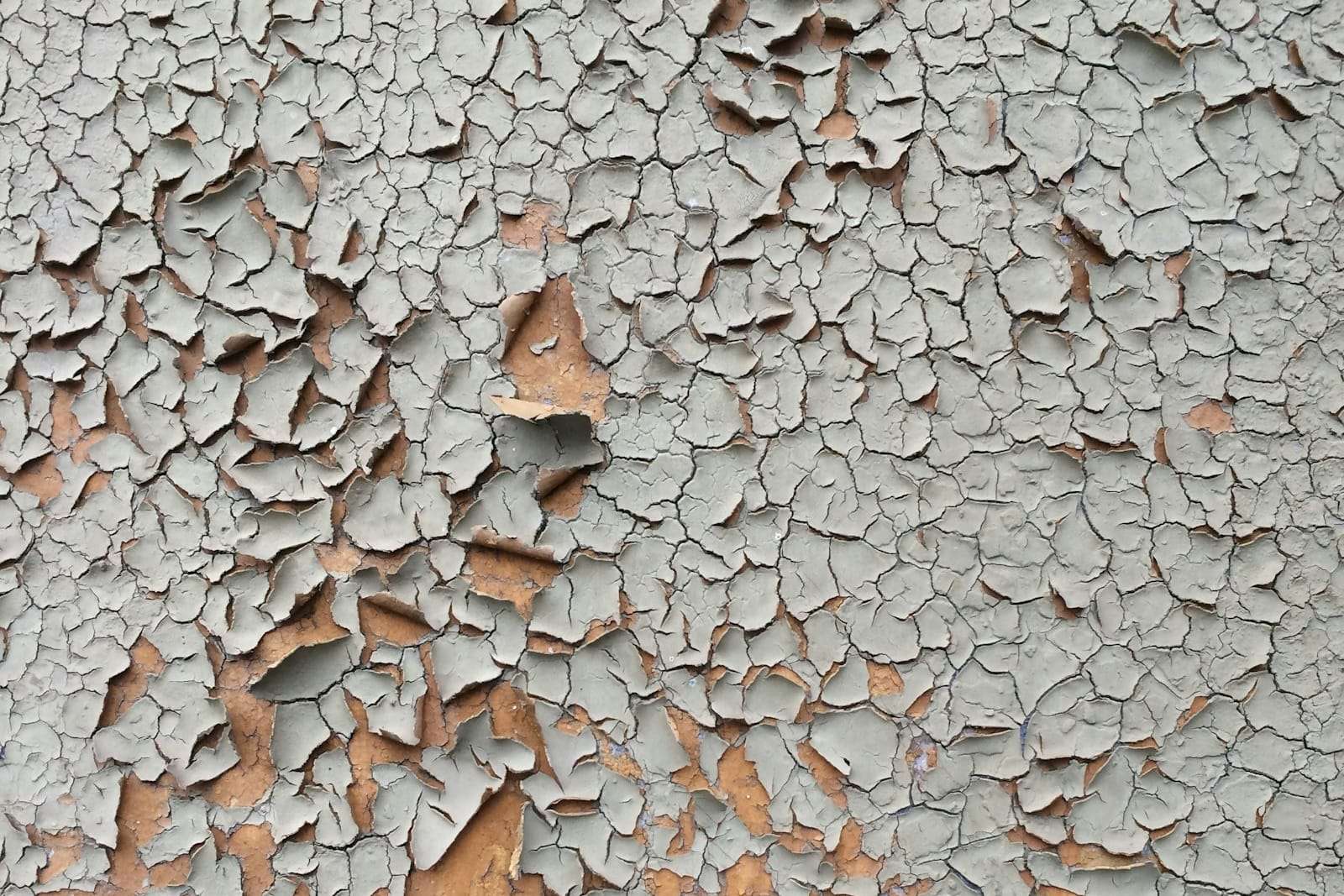
Peeling, cracking and blistering paint: causes and fixes
Peeling paint, cracks and blisters all have a cause. Learn how moisture, poor adhesion, heat and chalking ruin paint, and how to stop it coming back.
Family owned since 1998 · Painting Melbourne homes and businesses
Free site inspection · Next-day quotes1300 61 61 51
Templestowe Lower 3107 · City of Manningham
Templestowe Lower runs from the shops at Macedon Square down to the Yarra at Westerfolds Park. Most homes are 1960s and 1970s brick veneers on hilly streets, and many have been extended or renovated along the way.
Templestowe Lower was mostly built up in the 1960s and 1970s, as orchards gave way to housing. The typical home is a brick veneer house, single-storey or split-level to suit the slope, with timber eaves, fascias and window frames, a carport or garage, and often a timber deck or verandah out the back. Some streets have weatherboard or part-weatherboard homes from the same years.
Many of these houses have been extended or renovated over the decades, so it is common to find original timber windows next to newer aluminium ones, or a rendered extension on a brick house. Around Macedon Square and along the main roads, some older blocks have been redeveloped as units and townhouses.
Because the homes were built at much the same time, many are now on a similar repaint cycle. The original timber has usually been painted several times, and it is the condition of those older layers that decides how much preparation a job needs.
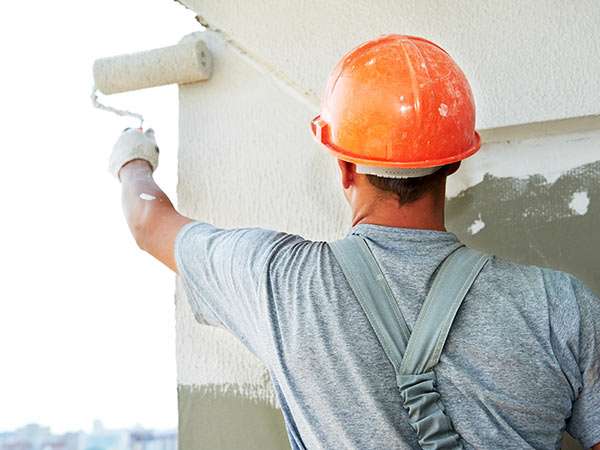
AMP 02
Weatherboard, render, brick, eaves and fences, prepared so the finish lasts.
In Templestowe Lower: Eaves, fascias, timber windows, weatherboard, decks and verandahs on 1960s and 70s homes.
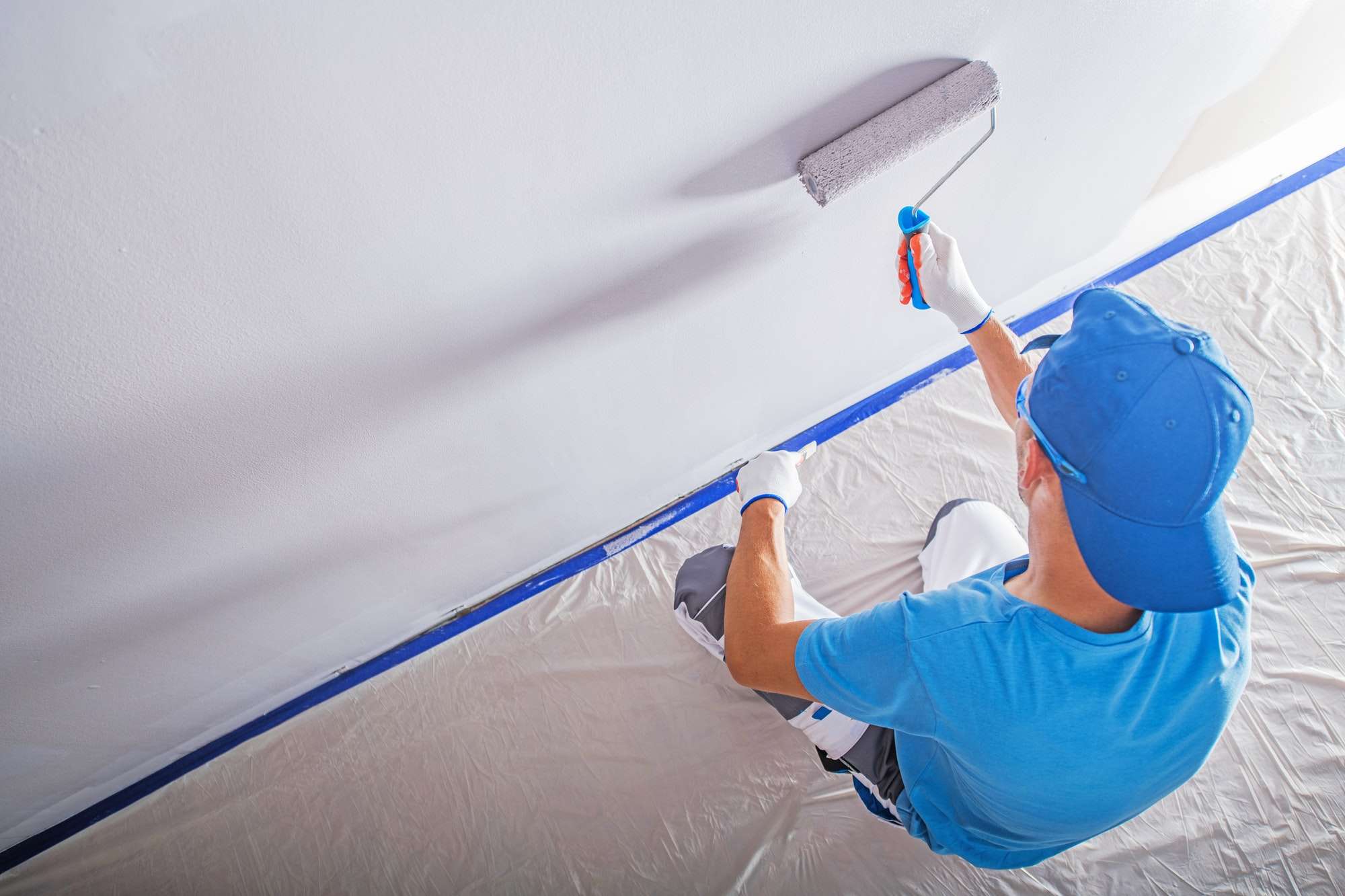
AMP 01
Walls, ceilings, trims and doors, with furniture moved and floors protected.
In Templestowe Lower: A whole-house refresh, including the original doors, architraves and skirting boards.

AMP 06
Help choosing colours on site, with samples in your own light.
In Templestowe Lower: One scheme that ties the original house and a later extension together.
Usually. Loose paint is removed, cracks are filled and bare timber is primed before two top coats. If the timber is soft or rotten, we point it out at the inspection and include the repair in the quote.
It could. Homes built before 1970 are the most likely to have lead paint in their older layers, so original surfaces should be tested before anyone sands them. Our lead paint guide explains how it is handled.
Yes. Each surface gets the preparation and primer it needs, and one colour scheme carries across the brick, timber and render so the house looks finished as a whole.
There is no fixed number of years. It depends on the surface, the product and how much sun the walls get, and timber on the north and west sides usually shows wear first. Our guide to how often to repaint explains what to look for.
Peeling paint, cracks and blisters all have a cause. Learn how moisture, poor adhesion, heat and chalking ruin paint, and how to stop it coming back.
Lead paint is common in Melbourne homes built before 1970. Learn how to test for it, who is most at risk and how to repaint without spreading lead dust.
How often to repaint a house depends on the surface, the sun and the paint. Manufacturer guidance for timber, plus the signs walls and trims are due.
Book a free site inspection and get your written quote the next day.