How to paint weatherboards: prep, paint and common problems
How to paint weatherboards so the finish lasts: preparing the boards, choosing the paint and fixing the problems that make paint fail on Melbourne homes.
Family owned since 1998 · Painting Melbourne homes and businesses
Free site inspection · Next-day quotes1300 61 61 51
AMP 03 · Weatherboard house painting
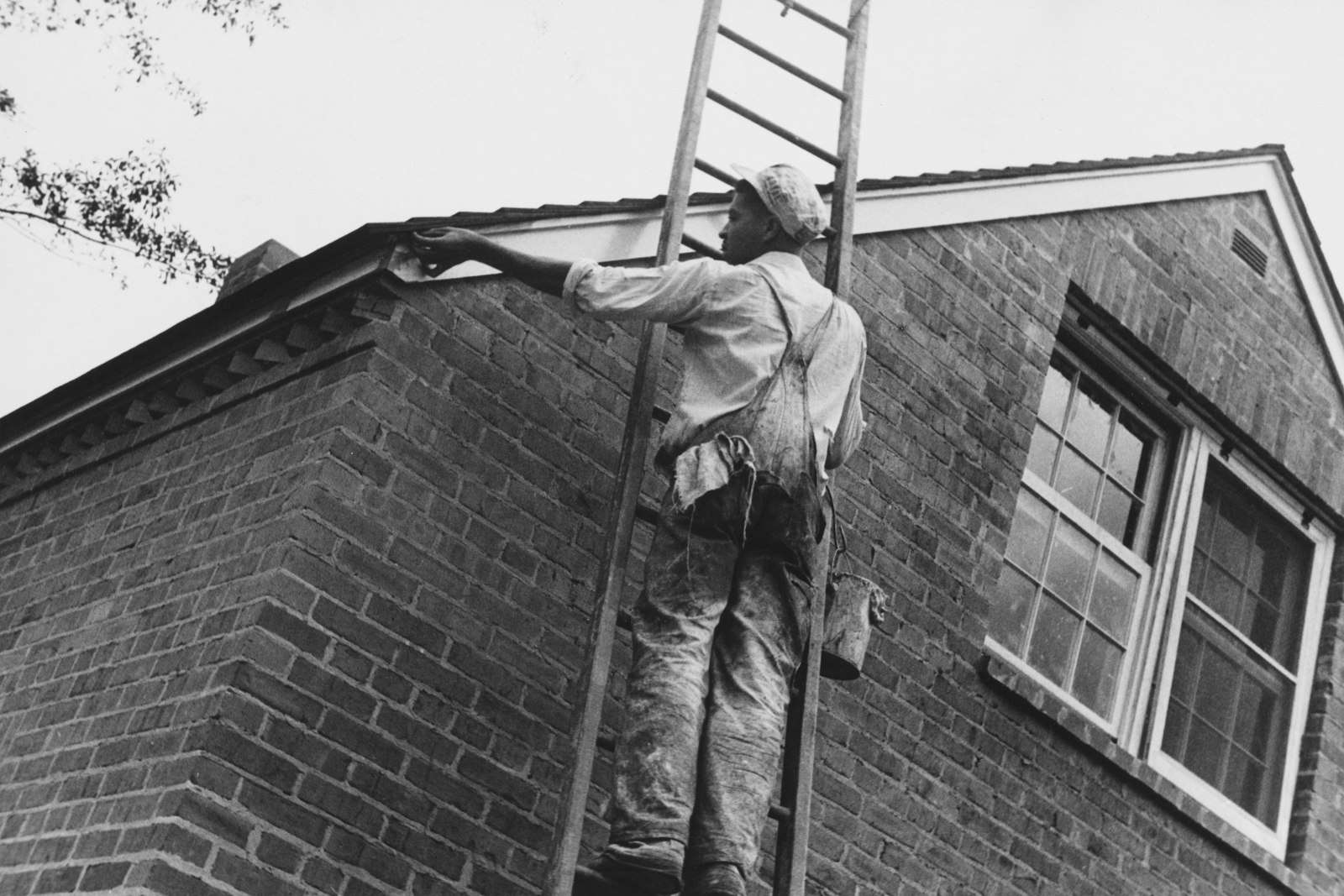
Weatherboards swell in a wet Melbourne winter and shrink back over summer, and every lap, nail head and board end is a way in for water. We prepare each board properly and seal it, so the new paint moves with the timber instead of peeling off it.
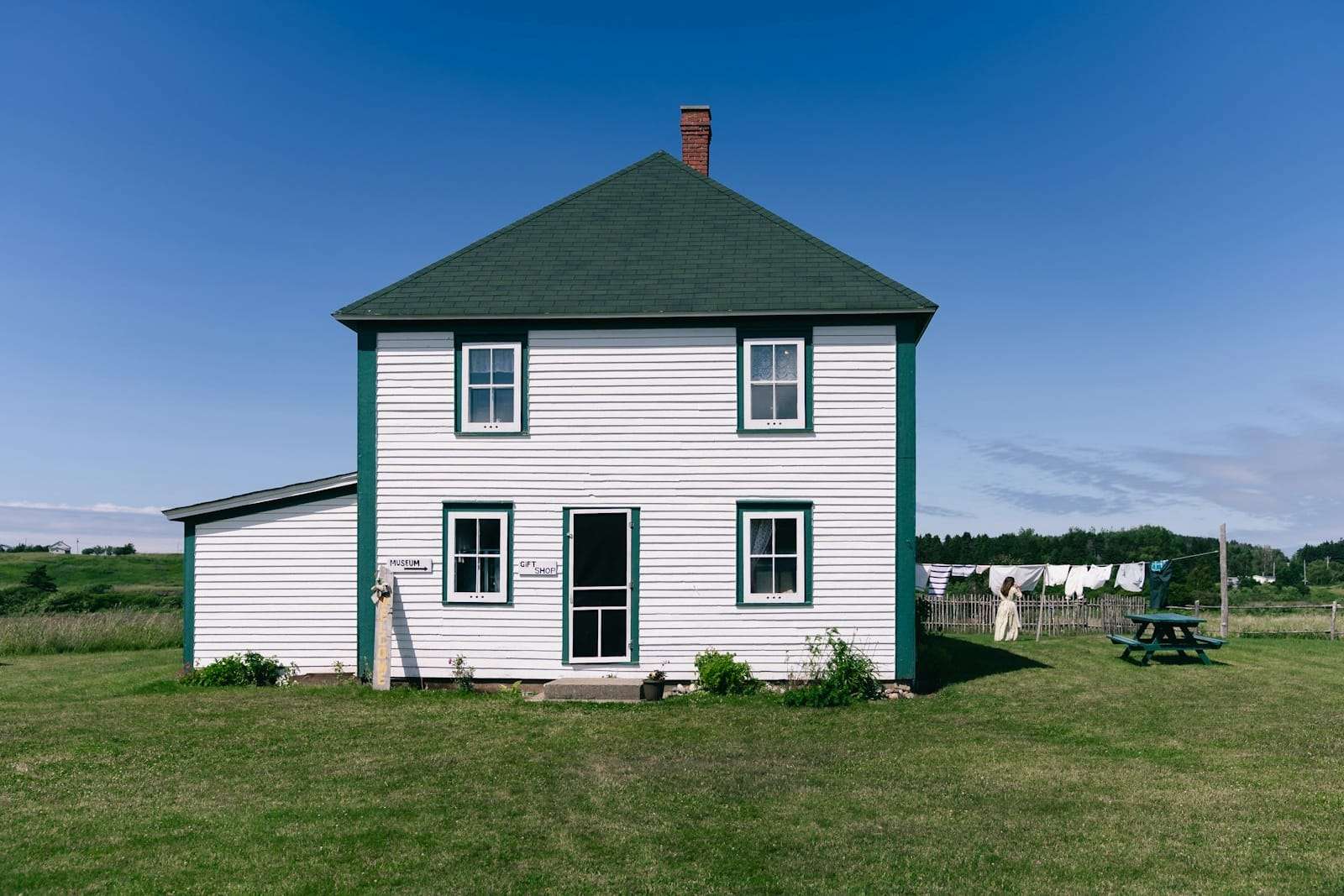
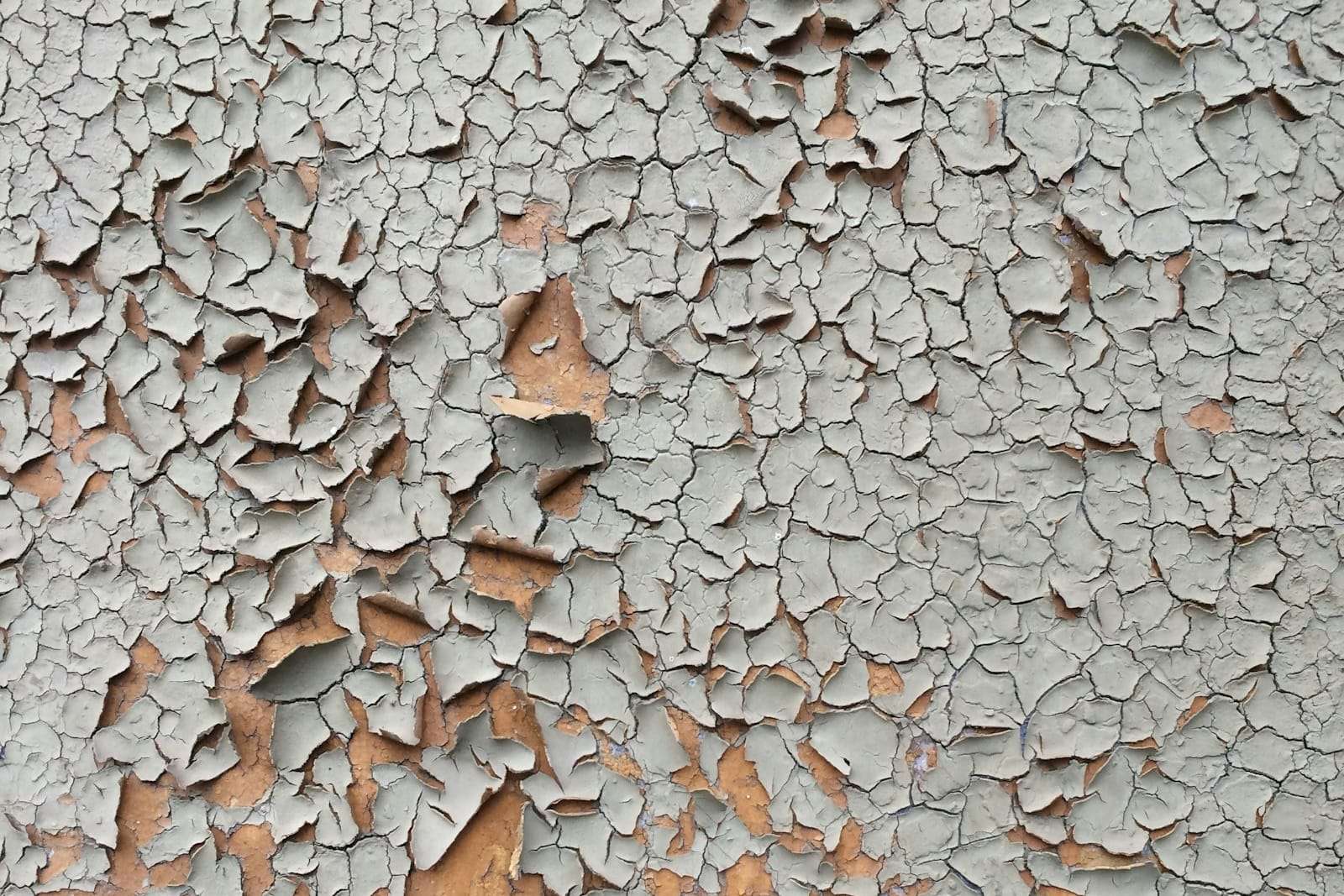
Timber moves, and paint on weatherboards fails where water gets in and the timber moves under it. The usual causes are moisture entering through unsealed laps and end grain, sun-damaged grey fibres that the old paint was never properly bonded to, rusting nail heads, and paint applied over dirt, mould or chalky coatings. Each of these needs fixing before you repaint, or the same faults come back after a couple of winters.
Our guide to painting weatherboard houses covers preparation, products and the common problems in detail.
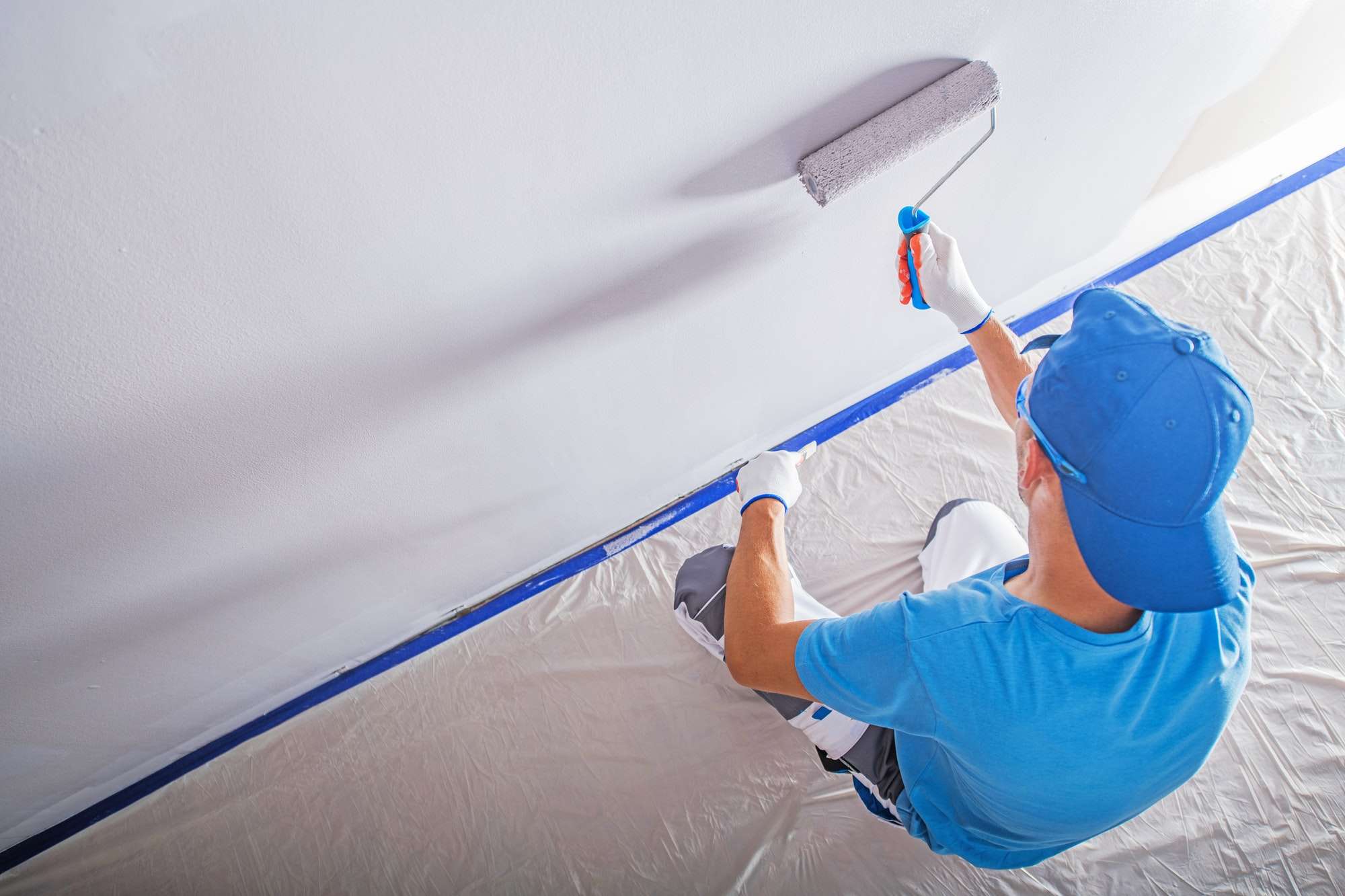
Most of the hours on a weatherboard job go into preparation. We test the old paint with a tape test to find where it has lost its grip, wash the walls and let them dry, then scrape and sand back to a firm edge. Popped nails are punched back in and rusty heads are primed so they do not bleed through. Splits and holes are filled with flexible exterior filler, and joints around windows, doors and trims are sealed.
Weatherboard houses built before 1970 very often have lead paint under the newer coats. We plan the preparation for that from the start, with wet methods and careful clean-up rather than dry sanding. Our guide to lead paint in older homes explains the risks.
Rot usually shows up at the bottom boards, under windows and at the base of verandah posts, where water sits. We check for soft, split and borer-damaged boards during the free inspection and point them out, so any repairs are written into your quote before work starts rather than discovered halfway through.
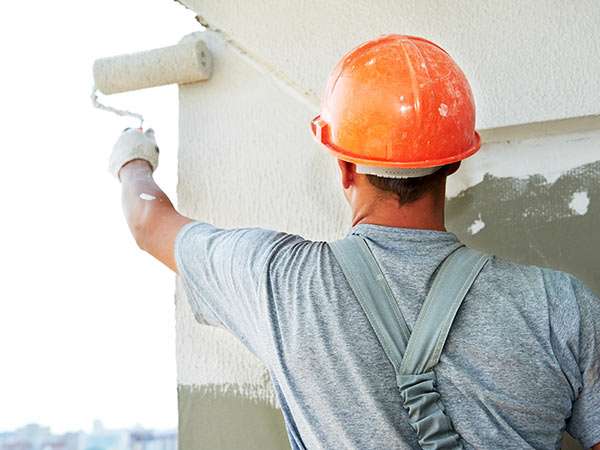
For most Melbourne weatherboards the right finish is a premium 100% acrylic exterior paint from Dulux, Taubmans or Wattyl, applied as two full coats over primed timber. Acrylics stay flexible as the boards move and let moisture vapour out rather than trapping it under the film. Very dark or tannin-rich timbers get a stain-blocking primer first.
We paint the underside edge of each board before the face and keep a wet edge along one or two boards at a time, which avoids lap marks and gets paint into the joints where water would otherwise enter.
Weatherboards need to be dry when they are painted, and the paint needs mild conditions to cure. We follow the sun around the house, avoid painting in direct heat, and stop early enough that the last coat is dry before evening dew. Our article on the best time to paint a house exterior in Melbourne explains how the seasons affect the work.
Weatherboard jobs are priced after a free site inspection. The main factors are:
Our guide to exterior house painting costs in Melbourne gives current price ranges.
Every job is covered by a written 7-year satisfaction guarantee and $10M public liability insurance. We are a member of Master Painters Australia and our team is Working with Children checked.
Bare timber does. Sound, previously painted boards usually only need spot priming where they have been sanded back to bare wood, and tannin-rich timber needs a stain-blocking primer.
No. New paint is only as strong as the layer under it, so loose and flaking paint has to be scraped back to a firm edge first. On older homes the old paint is tested for lead before it is disturbed.
That is usually water getting in through the laps or unsealed board ends and pushing the paint off from behind. The water path has to be sealed before the area is repainted, or it will peel again.
Low sheen is the usual choice for the boards because it hides dents and uneven timber. Semi-gloss or gloss suits trims, doors and window frames, which need to be tougher and easier to clean.
We point out any rotten or damaged boards during the inspection and include the repairs in your quote, so there are no surprises once work starts.
You can, but dark colours absorb more heat, which puts extra stress on timber and paint. We can help you test darker options on the house and choose a product suited to them.
How to paint weatherboards so the finish lasts: preparing the boards, choosing the paint and fixing the problems that make paint fail on Melbourne homes.
Exterior house painting cost in Melbourne for 2026: single vs double storey, weatherboard vs brick vs render, plus preparation, access and scaffolding.
Peeling paint, cracks and blisters all have a cause. Learn how moisture, poor adhesion, heat and chalking ruin paint, and how to stop it coming back.
Book a free site inspection and get your written quote the next day.