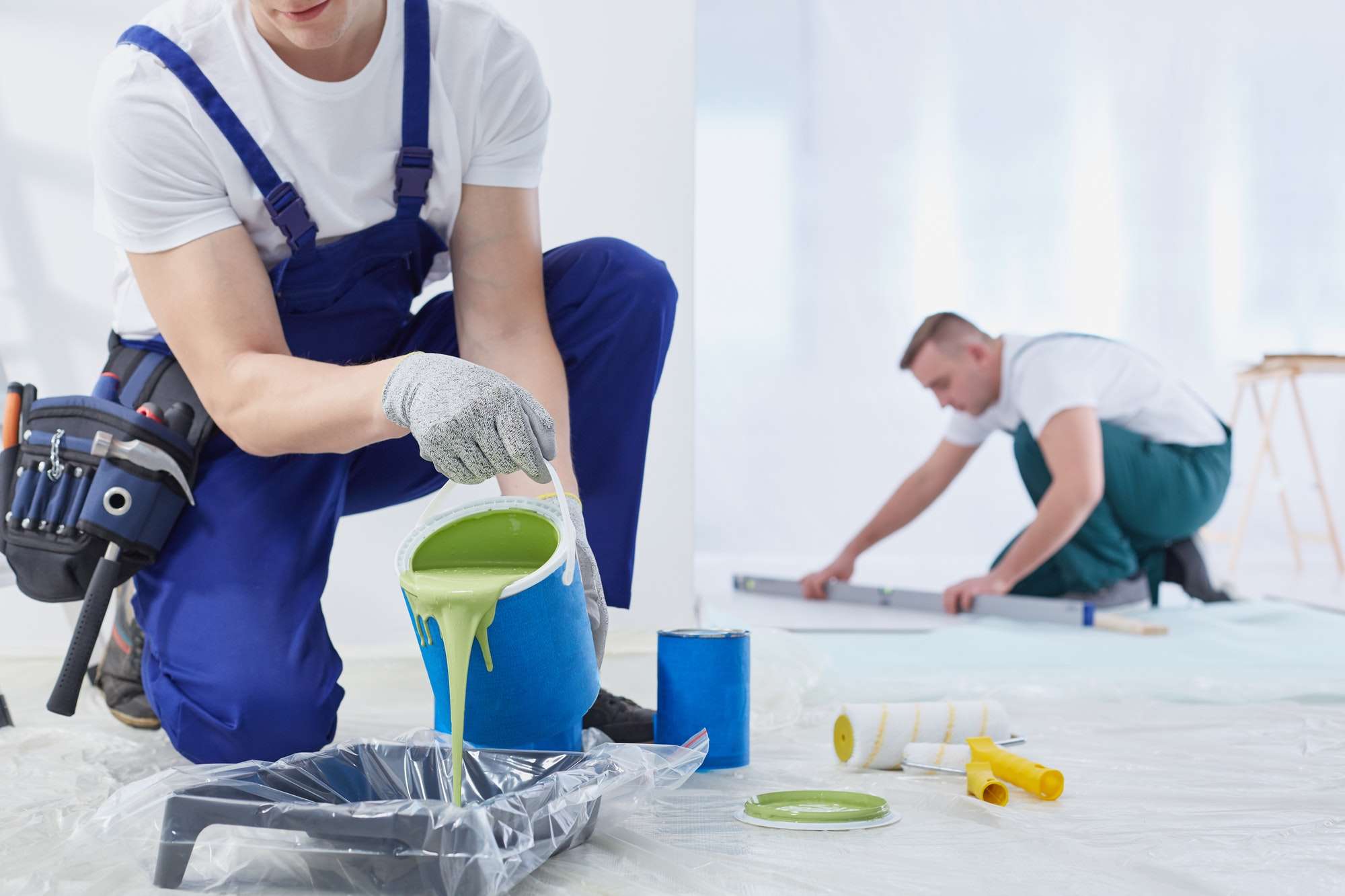
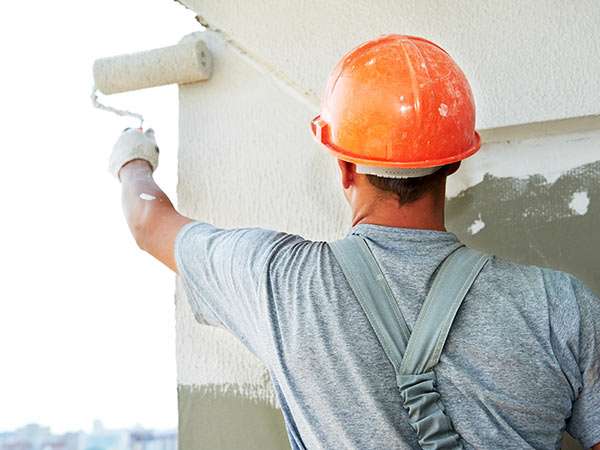
The best time to paint exterior Melbourne homes is generally from late spring to mid-autumn, with late summer and early autumn often the sweet spot: days are warm but not extreme, nights stay mild and there are fewer rain days. You can paint outside in winter too, but only on the right days, with a suitable product and with extra time allowed for the weather.
Here’s what exterior paint needs, how Melbourne’s seasons measure up, and how to plan your repaint so the finish lasts.
What weather does exterior paint need?
Every exterior paint has a set of conditions on its label, and those conditions matter more than the calendar. Here is what two of the major Australian paint makers say about their popular exterior products.
- Temperature range. Taubmans’ Sunproof Exterior datasheet gives an application range of 10°C to 35°C. Dulux says its Weathershield Low Sheen needs temperatures above 5°C during application and drying.
- Rain and dew. Dulux warns that rain or overnight dew on the paint while it is drying may damage or remove the coating, and advises against painting when rain is forecast.
- Cold and humidity. Dulux also advises not to paint on excessively cold or humid days.
- Heat and sun. In the hottest part of the day, Dulux suggests painting the shady side of the house.
- Drying between coats. Both products list a 2-hour recoat time at 25°C and 50% humidity. Cooler, damper days stretch that out.
Minimum temperatures differ between products, so always go by the label on the paint actually being used.
How does Melbourne’s weather change through the year?
The Bureau of Meteorology publishes long-term averages for Melbourne (Olympic Park). The figures below are the monthly ranges within each season from that table, covering 2013 to 2026. “Rain days” are days with at least 1 mm of rain.
| Season | Average maximum | Average minimum | Rain days per month | Painting conditions |
|---|---|---|---|---|
| Summer (Dec to Feb) | 24.7 to 26.8°C | 14.4 to 16.5°C | 3.6 to 6.3 | Good overall; avoid heatwaves and hot, sunny walls |
| Autumn (Mar to May) | 17.6 to 24.3°C | 9.8 to 14.8°C | 5.2 to 8.5 | March and April are excellent; May gets cooler |
| Winter (Jun to Aug) | 14.5 to 15.6°C | 7.6 to 8.1°C | 8.6 to 9.3 | Possible on good days; short working window |
| Spring (Sep to Nov) | 18.1 to 22.2°C | 9.6 to 12.7°C | 7.6 to 9.4 | Improves through the season; October is often showery |
Two things stand out. February averages the fewest rain days of any month (3.6), and average overnight lows stay above 10°C from October right through to April. In winter, average minimums sit around 8°C, which is why mornings are the main hurdle.
So when is the best time to paint your exterior in Melbourne?
Late summer to mid-autumn: the sweet spot
February, March and April combine fewer rain days with mild nights and comfortable daytime temperatures. Surfaces dry out quickly after dew, and the paint has a long window each day to dry before evening. For most homes, this is the most reliable stretch of the year.
Late spring and early summer: also very good
November and December warm up nicely and rain days start to drop. The main thing to watch is hot, sunny days, when wall surfaces in direct sun can get much hotter than the air. Good painters follow the shade around the house.
Early spring: workable, with more weather days
September and October are milder than winter, but October averages the most rain days of any month in the table (9.4). Jobs in early spring need more spare days in the schedule.
Winter: possible, with care
Painting outside in June, July or August can work on dry, still days, using a product rated for the conditions. Expect later starts while dew dries off, earlier finishes so the paint isn’t wet when the temperature drops, and more days lost to rain. Winter is a great time to get the inspection done, choose colours and book the job in for spring.
If you want painters working through the colder months, think about moving inside. The weather matters much less for interior painting, so winter can be a sensible time to repaint rooms and leave the exterior for warmer, drier weather.
How do painters work around Melbourne’s changeable weather?
Melbourne can change quickly within a single day, so timing within the day matters as much as the season.
- Check the forecast every day. If rain is due before the paint will be dry, that elevation waits.
- Wait for dew to dry. Painting onto damp surfaces risks poor adhesion, so early mornings are often spent on preparation instead.
- Follow the sun. Painting each side of the house when it’s out of direct sun avoids hot surfaces and paint drying too fast.
- Finish early enough. The last coat of the day needs time to dry before evening dew settles.
- Use the right product. Some exterior paints are rated for lower temperatures than others, so the product can be matched to the season.
Weather is one of the reasons exterior work takes longer than interior work. Our guide to how long it takes to paint a house explains the other factors.
Why plan your exterior repaint early?
Good painting months are popular, so it pays to start planning before the weather warms up. Getting a quote early gives you time to compare painters, settle on colours and fit the work around the forecast. If you are weighing up colours, a colour consultation during the cooler months means you are ready to start as soon as conditions are right.
At AMP Master Painters, an exterior job starts with a free site inspection, and you usually receive a written quote the next day. We use premium Dulux, Taubmans and Wattyl paints and back the work with a written 7-year guarantee. Our exterior painting service page explains the preparation involved.
Budgeting at the same time? Our guide to how much it costs to paint a house in Melbourne has current price ranges, and our article on what a painting quote should include will help you compare quotes.
The bottom line
For most Melbourne homes, late spring through mid-autumn gives the best exterior painting conditions, with February to April often the most reliable. Winter painting can work on the right days, but expect a shorter working day and more weather delays. Whatever the season, the paint label and the daily forecast should set the schedule, not the calendar alone.