Bathroom paint mould: painting kitchens and bathrooms so it lasts
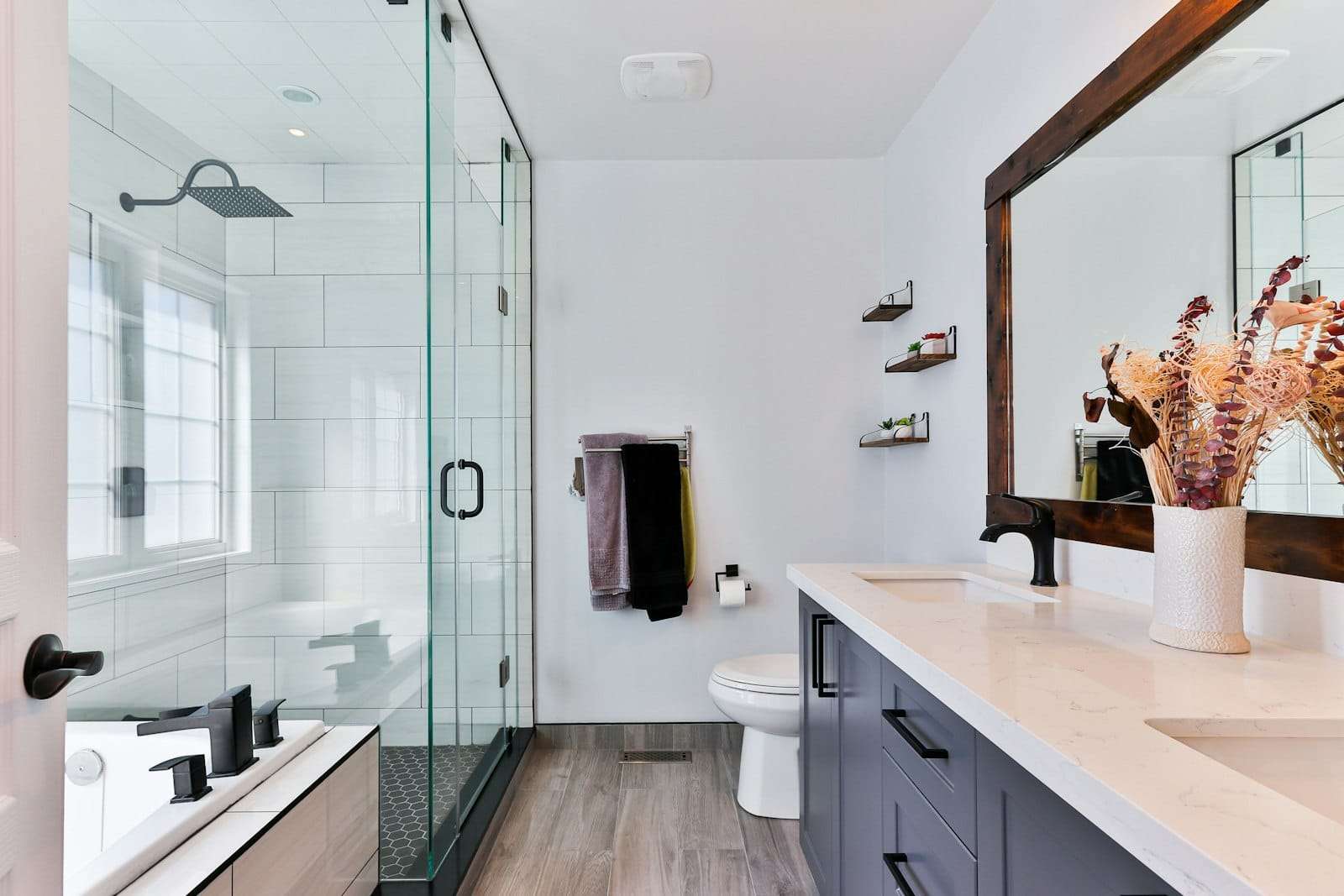
Bathroom paint mould keeps coming back when moisture is the real problem. Learn how to prepare, which paint to use and how to stop mould returning.
Family owned since 1998 · Painting Melbourne homes and businesses
Free site inspection · Next-day quotes1300 61 61 51
AMP 07 · Kitchen cabinet painting
If the layout and the carcasses are sound, new paint can make an old kitchen look new for a fraction of the cost and disruption of replacing it. Cabinets take more knocks, grease and cleaning than any wall in the house, so the job is all about preparation and the right paint system.
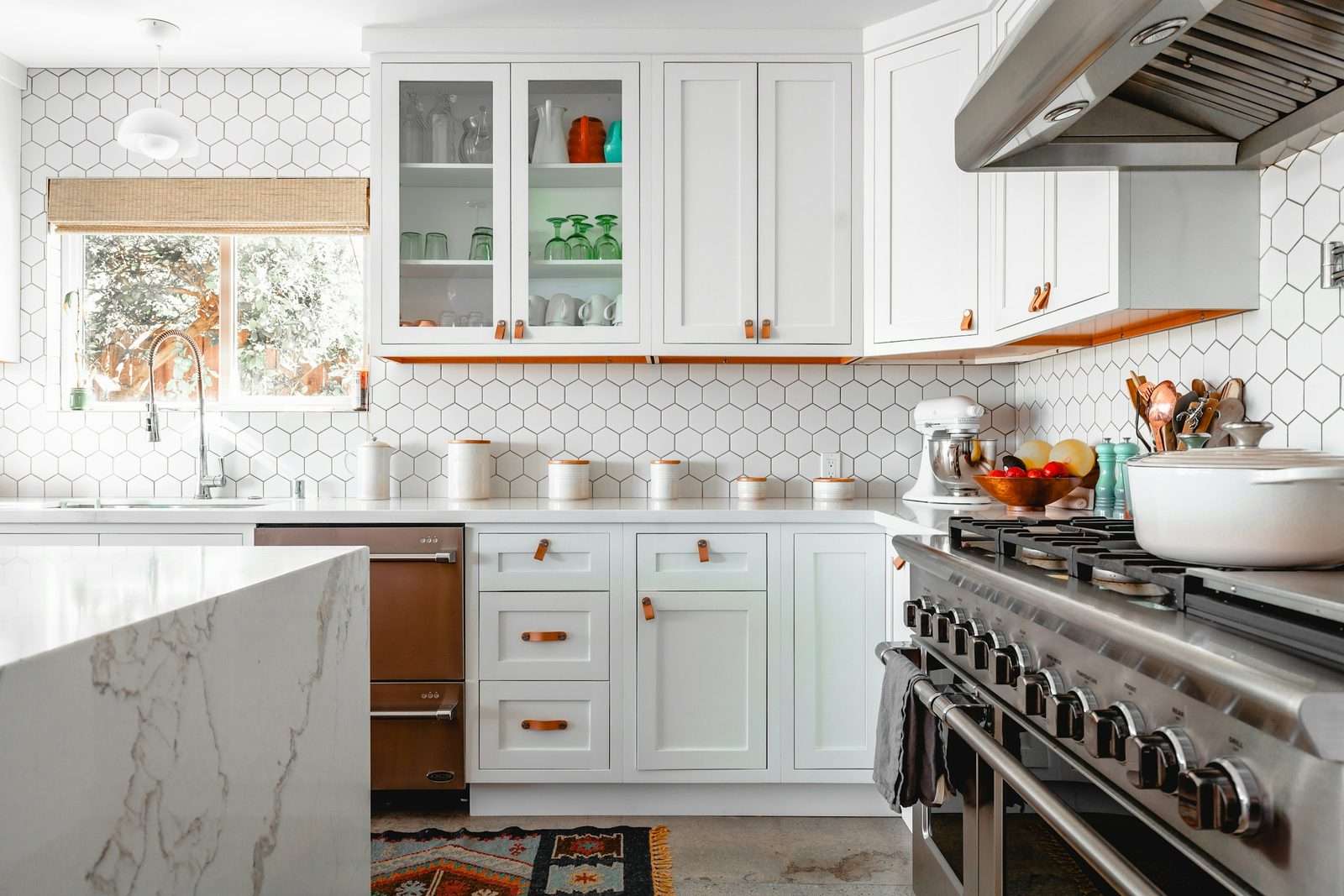
Painting suits kitchens where the cabinets are structurally sound and the layout works, but the colour or finish has dated. It is a good fit for:
It is not the answer for everything. Swollen particleboard around the sink or dishwasher, doors that are peeling at the edges, and vinyl-wrapped doors that are lifting usually need repair or replacement first, because paint will not hold them together. We tell you honestly at the inspection which doors are worth painting.
Grease and cooking residue are invisible but stop paint sticking, so cabinets are degreased thoroughly before anything else, especially around the cooktop and the handles. Glossy surfaces are then sanded to dull them, and a bonding primer made for the surface goes on first: one type for bare or stained timber, another for laminate and slick factory finishes.
Older kitchens may have been finished in oil-based enamel. Water-based paint applied straight over it can peel, so we test the existing coating and choose the primer to suit. In homes built before 1970, old paint may contain lead and is never dry sanded; our guide to lead paint in older homes explains why.
Cabinets need a harder finish than walls. We use premium enamel paints from Dulux, Taubmans and Wattyl, chosen for scrub resistance and how they level out on doors. Satin or semi-gloss is the usual choice: it wipes clean and hides small marks better than full gloss, which shows every brush mark and dent. Our guide to paint sheen levels explains the options.
Paint goes on dry to the touch quickly but takes longer to cure fully and reach its hardness. We tell you how long to treat the doors gently, and doors are handled with care when they go back on so the fresh finish is not marked.
Painting cabinets causes far less disruption than a renovation: no demolition, no plumber and no new benchtops. Benchtops, appliances, splashbacks and floors are masked and covered, and we agree how the kitchen will be used during the job, such as keeping the fridge and a section of bench available each evening. Our checklist on how to prepare your home for painters covers what to clear out beforehand.
Many people paint the kitchen as part of a bigger refresh. Our interior painting team can do the walls, ceiling and trims at the same time, and a colour consultation helps the cabinet colour work with your benchtop and splashback. Wet-area walls need their own paint; see painting kitchens and bathrooms.
Every kitchen is quoted after a free site inspection. The main things that change the price are:
Our guide to what it costs to paint a room covers interior pricing, and what a painting quote should include helps you compare quotes.
Every job is covered by a written 7-year satisfaction guarantee and $10M public liability insurance. We are a member of Master Painters Australia and our team is Working with Children checked.
Often, yes, if the doors are sound and the laminate is well stuck down. The surface is degreased, sanded and primed with a bonding primer made for slick surfaces before the top coats. Doors that are swollen, lifting or peeling at the edges usually need replacing rather than painting.
With proper preparation and a hard-wearing enamel, painted cabinets can last many years. Edges around handles and the doors under the sink take the most wear, and small chips can be touched up. Our work comes with a written 7-year guarantee covering our workmanship.
Usually, because the carcasses, benchtops, plumbing and appliances stay where they are. It suits kitchens where the layout works and the cabinets are sound. We can tell you at the free inspection whether painting is worth it for your kitchen.
Satin or semi-gloss enamel is the usual choice. It is tough and wipes clean, and it hides small marks better than full gloss. We talk through the options and colours at the inspection.
Mostly, yes. We agree a plan with you before we start, such as keeping the fridge and part of the bench usable each evening, and we tell you how long to treat the new finish gently while it cures.
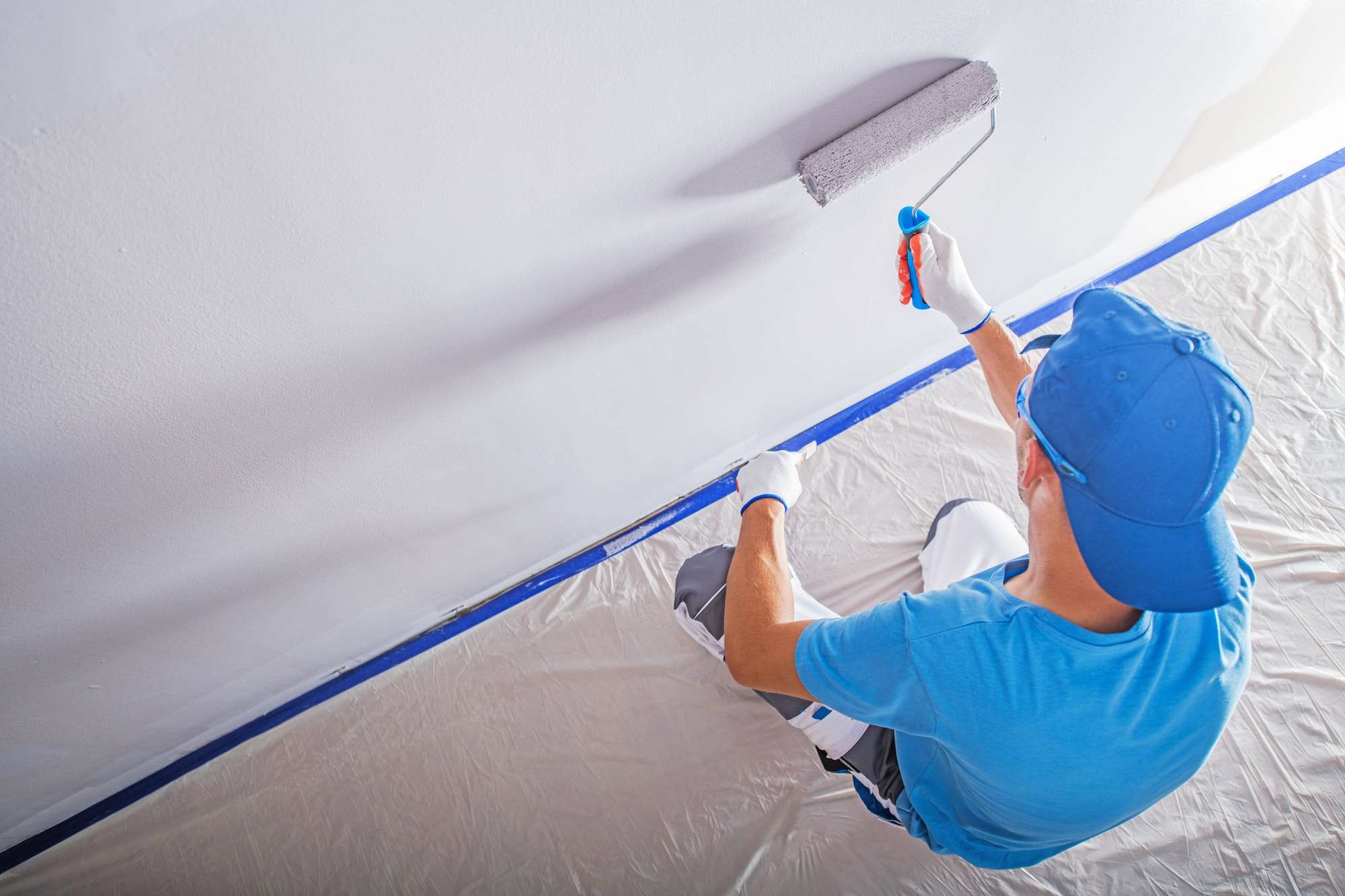
AMP 01
Walls, ceilings, trims and doors, with furniture moved and floors protected.
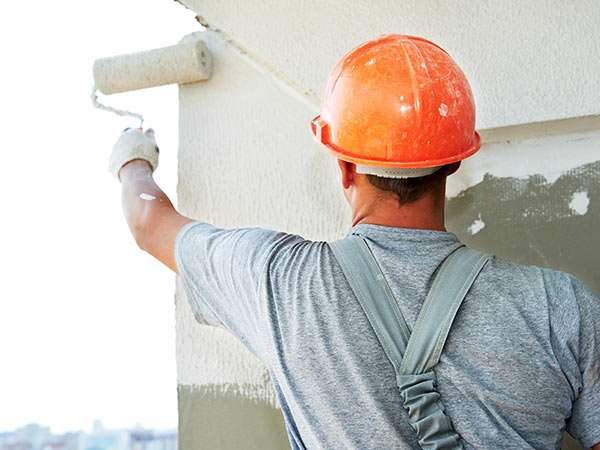
AMP 02
Weatherboard, render, brick, eaves and fences, prepared so the finish lasts.
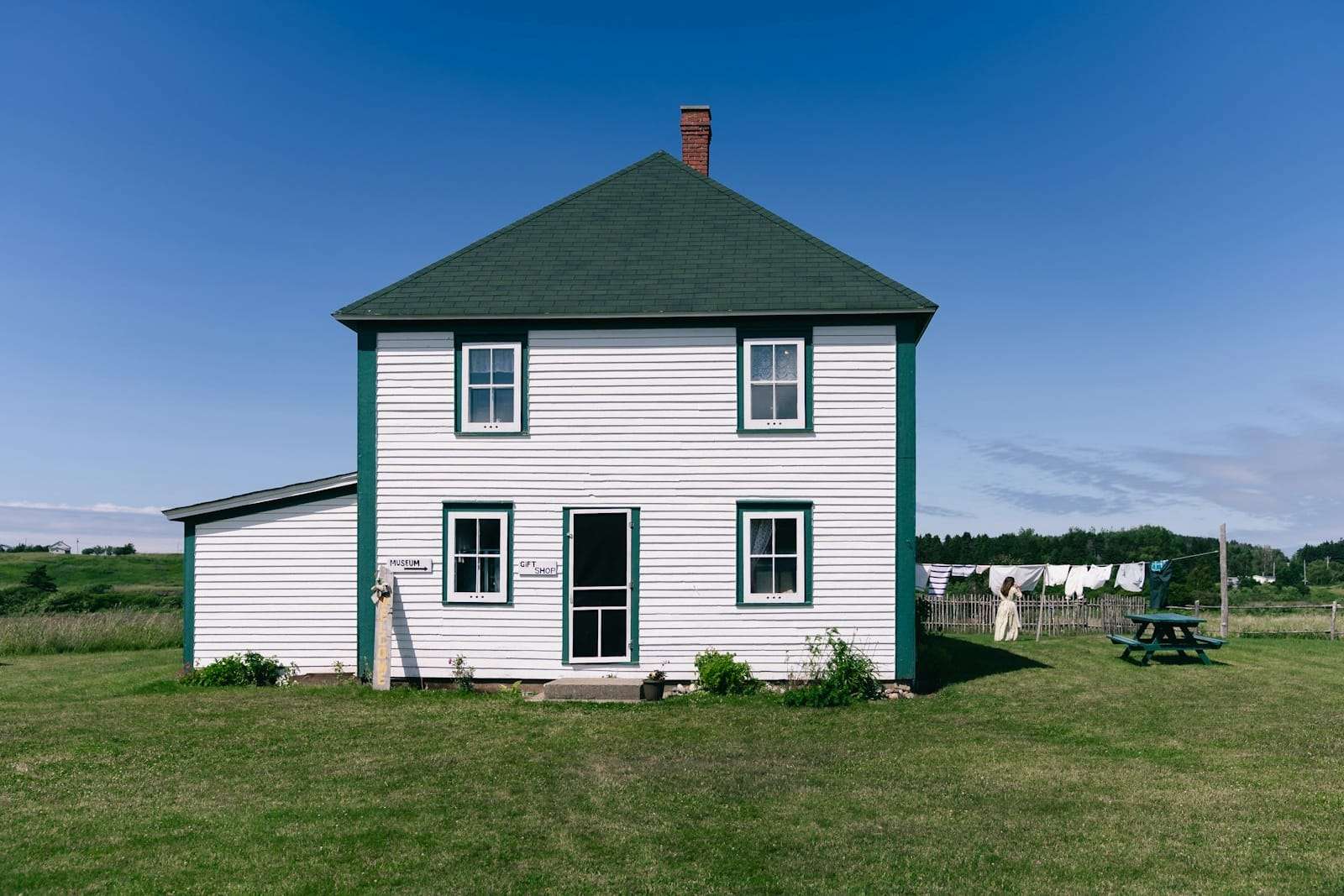
AMP 03
Boards, laps and trims prepared, sealed and repainted to last through Melbourne winters.
Bathroom paint mould keeps coming back when moisture is the real problem. Learn how to prepare, which paint to use and how to stop mould returning.
Our paint sheen guide compares flat, matt, low sheen, semi-gloss and gloss by room and durability, so you can choose the right finish before you paint.
DIY painting vs hiring a painter: compare the real cost, time, tools, finish and safety risks, and learn which jobs are fine to DIY and which to hand over.
Book a free site inspection and get your written quote the next day.