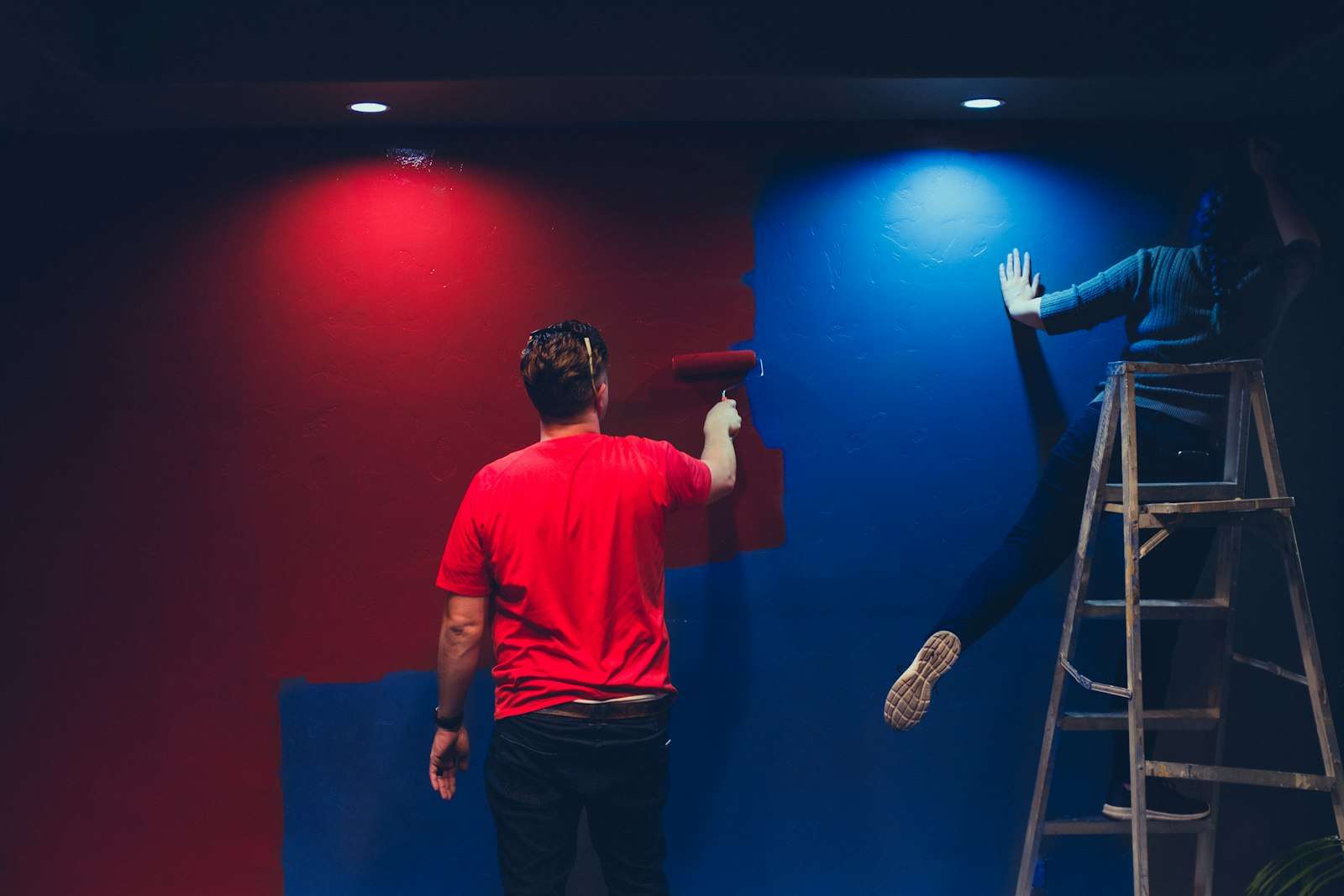
DIY painting vs hiring a painter comes down to the job. Painting a spare room in good condition a similar light colour is a reasonable DIY project and saves you the labour cost. Work at height, most exteriors, big colour changes, damaged walls and anything that might involve lead paint are better left to a professional, because they are harder to do well and carry real safety risks.
This guide compares the two on cost, time, tools, finish and safety, and ends with a simple checklist for deciding.
What does it cost to DIY vs hire a painter?
Hiring a painter means paying for labour, materials and experience. As of 2026, the independent cost guide What’s The Damage puts these Melbourne prices on common jobs (GST included, verified October 2026):
| Job | Low | Typical | High |
|---|---|---|---|
| Single room (walls and ceiling) | $315 | $680 | $1,050 |
| Feature wall, per wall | $160 | $315 | $525 |
| Door, both sides | $84 | $135 | $210 |
| Painter hourly rate | $42 | $63 | $105 |
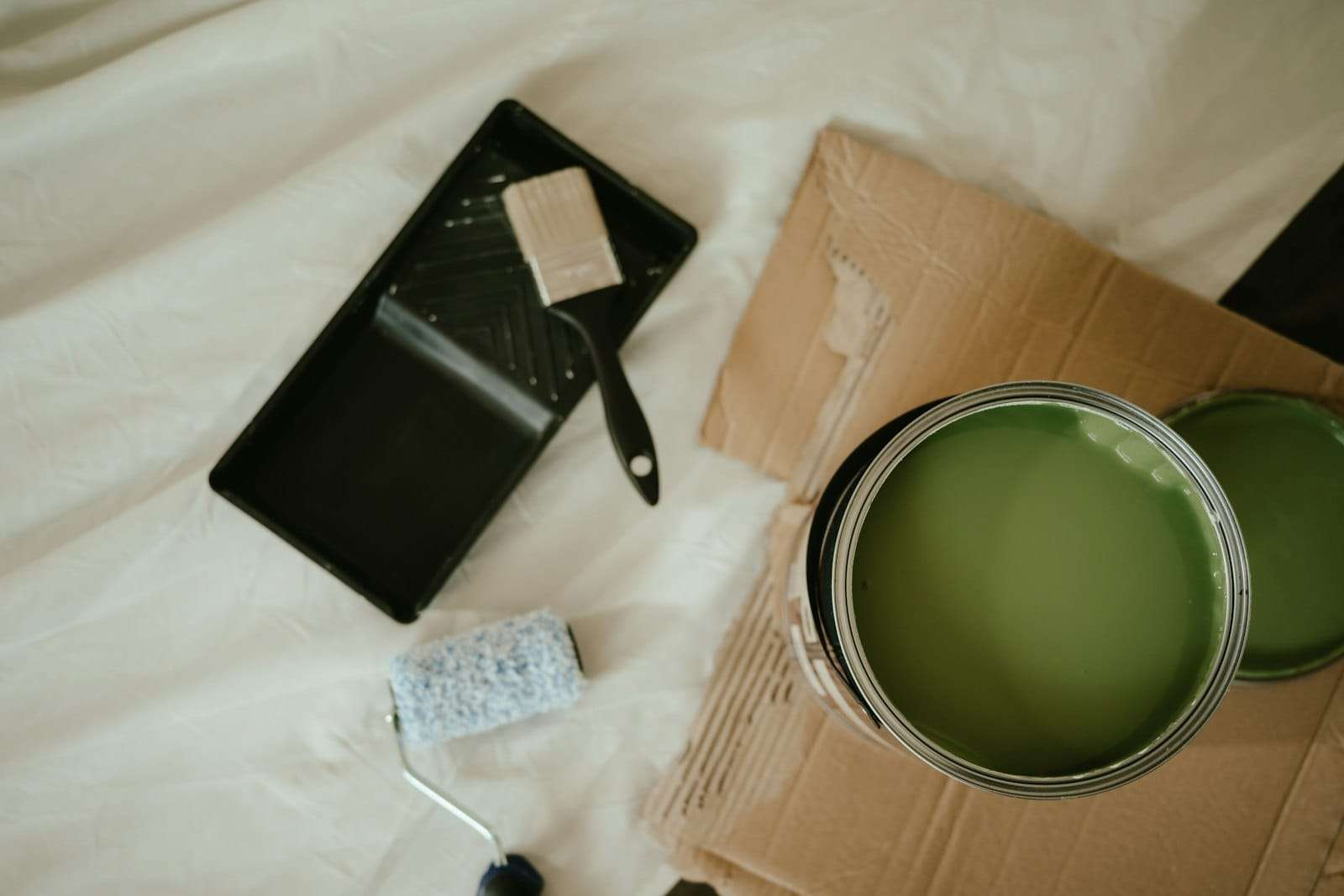
DIY removes the labour cost, but it isn’t free. What’s The Damage’s guide to DIY vs professional painting says DIY can undercut professional prices, and describes the cost of gear as a real but manageable spend. For a first room you will need:
- Paint for walls and ceiling, plus a primer or sealer for any patched or stained areas
- Filler, sandpaper and a sanding block
- A quality roller, roller frame, extension pole and tray
- A good angled brush for cutting in
- Drop sheets and painter’s tape
- A sugar soap or similar wall cleaner
- A sturdy stepladder
How much paint does a room need?
Paint coverage is printed on the tin and the maker’s datasheet. Taubmans, for example, quotes up to 12 square metres per litre for its Endure interior wall paint. “Up to” means in ideal conditions, so allow a margin.
As a rough worked example, a 3 by 4 metre bedroom with 2.7 metre ceilings has about 38 square metres of wall before you subtract the door and window. Two coats over roughly 33 square metres is about 66 square metres of painting, or about 5.5 litres of wall paint at 12 square metres per litre. In practice that means two 4 litre tins for the walls, plus ceiling paint. What’s The Damage notes that inexperienced painters often use more paint than the coverage chart suggests.
For a full set of professional price ranges, see our guides to the cost to paint a room in Melbourne and house painting costs.
How long does it take?
This is where DIY costs the most. What’s The Damage says a single room takes a professional about a day, and its DIY guide says a professional finishes a standard room in a fraction of the time a first-timer does.
A DIY room usually runs over a weekend:
- Clear and protect the room. Move furniture, take down pictures and curtains, and lay drop sheets.
- Prepare the surfaces. Wash the walls, fill holes and cracks, sand the patches smooth and spot-prime them.
- Cut in and roll the ceiling. Ceilings go first so drips don’t land on fresh walls.
- Cut in and roll the walls. Two coats, with drying time between them.
- Paint the trims and door, if they are part of the job.
- Clean up brushes, rollers and trays, and put the room back together.
Recoat times vary by product. Many water-based paints, including Dulux Wash&Wear Low Sheen, can be recoated after about 2 hours in the conditions the maker specifies. Rushing the second coat is one of the most common DIY mistakes.
For whole-house timeframes, see how long it takes to paint a house.
Will the finish be as good?
A careful DIYer can get a good result on a simple room. The gap with a professional finish usually shows in a few places, which What’s The Damage’s DIY guide also highlights:
- Preparation. It is most of the job, and the step most often rushed. Paint over dust, grease or unfilled holes shows every flaw.
- Cutting in. Straight, clean lines where walls meet ceilings and trims are the skill that separates a professional-looking room from an obviously amateur one.
- Roller technique. Cheap rollers and overworked paint leave a stippled or patchy surface that a second coat won’t hide.
- Sheen. Higher-sheen paints show every roller mark and patch. Our paint sheen guide explains how sheen affects the finish.
How much this matters depends on the room. A slightly imperfect spare room is easy to live with; a living room with raking light from big windows is not. Our checklist on preparing your home for painters also covers the clearing and protecting that every job needs.
Is DIY painting safe?
Most interior painting at floor level is low risk. Two hazards change that.
Working at height
Ladder falls are common and can be serious. Victoria’s Better Health Channel says 36 Australians died from falls from ladders in 2020, 11 of them Victorians, and that more than 5,600 Australians were admitted to hospital after ladder falls in 2017–18. People aged 65 and over are hospitalised the most. Its advice includes:
- Use a ladder that meets Australian Standard AS/NZS 1892
- Set it on firm, level ground and lock it before climbing
- Keep three points of contact at all times
- Make sure someone is home with you while you are on the ladder
- Don’t work in wet, windy or hot conditions
Stairwells, high ceilings and anything above the ground floor outside are where DIY risk climbs fastest. Professionals working at height have to plan for falls and use the right access equipment, such as platforms or scaffold.
Lead paint in older homes
According to the Australian Government’s Lead Alert guide, homes built before 1970 are most at risk of having lead paint, often hidden under newer coats. Dry sanding, dry scraping and burning off old paint can release lead dust and fumes, which are especially harmful to young children and pregnant women. The guide says that, ideally, homes with lead paint should be assessed and remediated by trained professionals.
If your home is older, test before you prepare any old paint. Our guide to lead paint in older Melbourne homes explains how.
Fumes and ventilation
Read the label, keep windows open while you paint, and choose a low-VOC product for bedrooms and nurseries.
When is DIY fine?
DIY is a sensible choice when most of these are true:
- The room is inside, on the ground floor, with standard-height ceilings
- The walls are in good condition, with only small holes to fill
- You are repainting the same or a similar light colour
- The house was built after 1970, or the old paint has been tested and is lead-free
- You have the time and don’t mind a few imperfections
- It is a small job: a spare room, a study, a feature wall or a door
What’s The Damage’s DIY guide calls a spare room or study in a light colour, walls only, the classic first DIY job.
When should you hire a painter?
Call a professional when any of these apply:
- Height. Ceilings over stairwells, voids, raked ceilings and any exterior work above ground floor.
- Exteriors. Outside work needs more preparation, the right products and weather planning. See our guide to exterior house painting costs.
- Big colour changes. Dark to light, light to dark, or strong feature colours that need extra coats and crisp lines.
- Damaged surfaces. Cracked plaster, peeling paint, water stains or mould, where the cause needs fixing first.
- Older homes. Anything built before 1970, unless the paint has been tested.
- Time pressure. A sale, a move-in date or a busy household.
- A finish you will see every day. Living areas, entrances and rooms with strong natural light.
The hybrid approach
You don’t have to choose all or nothing. What’s The Damage suggests doing the walls yourself and handing ceilings and trims to a professional. You can also save paid time by clearing rooms and taking down fittings yourself before the painters arrive.
What you get when you hire a painter
A professional brings experience and the right equipment, but the paperwork matters too. Before you hire, check for public liability insurance, a written quote that lists the preparation, products and number of coats, and a written guarantee. Our guide on how to choose a house painter lists the questions worth asking.
AMP Master Painters has painted Melbourne homes since 1998. We are members of Master Painters Australia, carry $10M public liability insurance and give a written 7-year guarantee on every job. Every interior painting and exterior painting job starts with a free site inspection, and you usually receive a written quote the next day, so you can compare it with the cost of doing it yourself before you decide.
The bottom line
DIY painting is a good fit for small, low, interior jobs in good condition, and it saves you the labour cost if you have the time and patience. Hire a painter for heights, exteriors, damaged surfaces, big colour changes and homes built before 1970, where the finish is harder to get right and the safety risks are real. If you are unsure, get a free quote and weigh it against the time, tools and risk of doing it yourself.