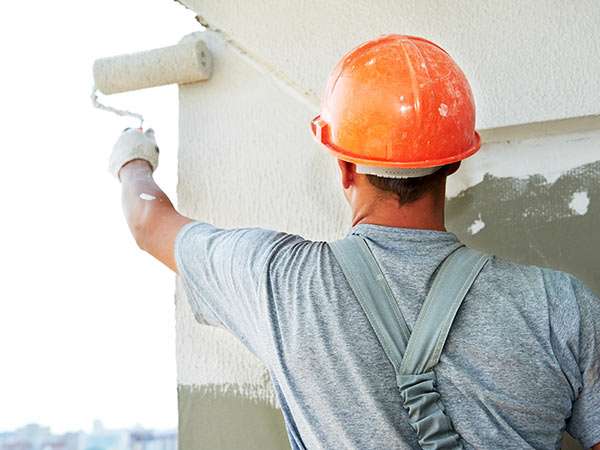
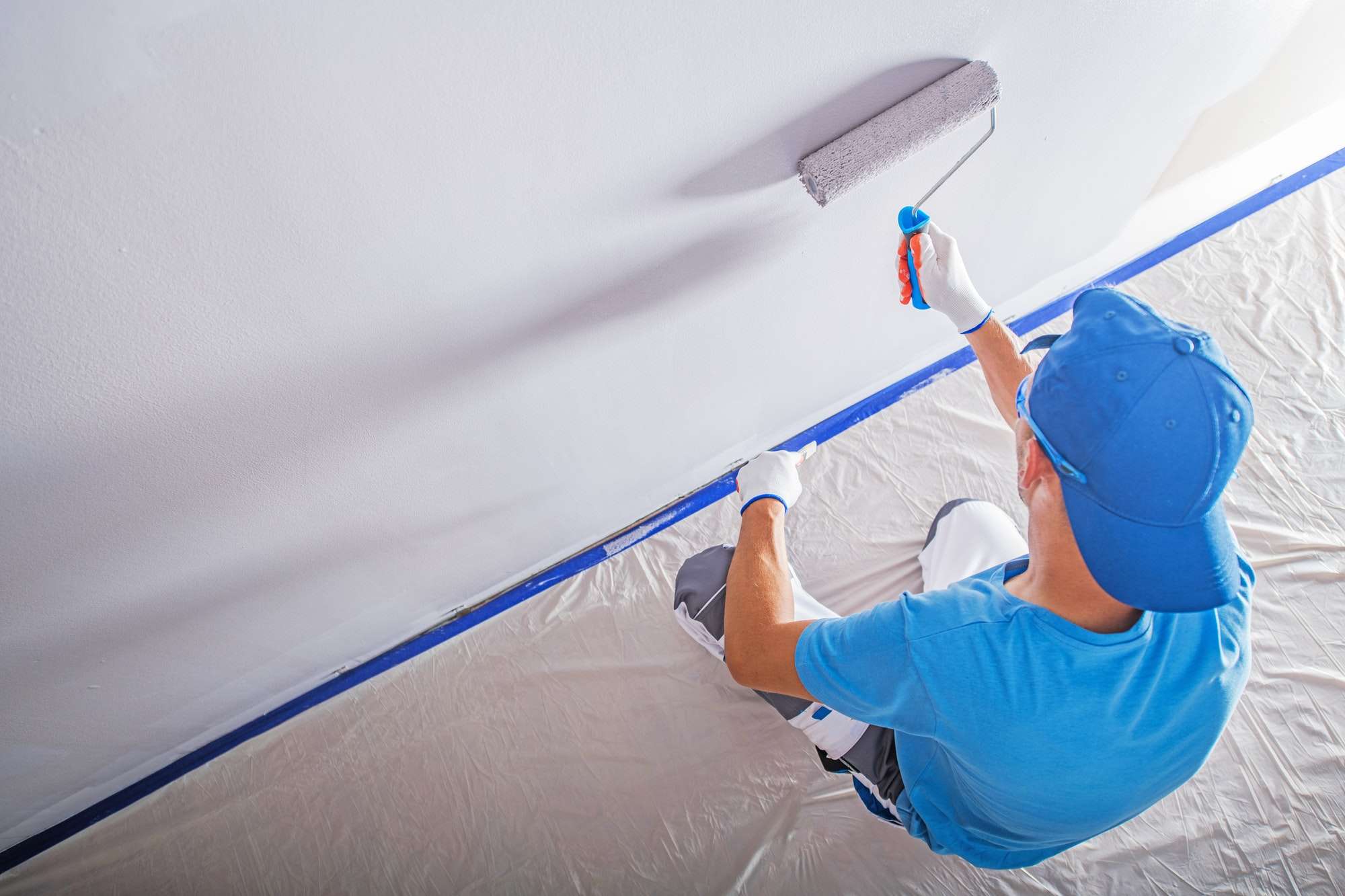
How long to paint a house depends mostly on its size, the condition of the surfaces and the weather. As a rough guide, the independent cost guide What’s The Damage puts a single room at about a day, a three-bedroom interior at three to five days and a typical Melbourne exterior at four to seven days. Older homes that need a lot of preparation, timber weatherboards and two-storey exteriors take longer.
Below we look at typical timeframes, why preparation takes so long, how drying times work, and what you can do to keep a job on schedule.
How long does it take to paint a house, room by room?
These figures come from What’s The Damage’s Melbourne guide, last verified in October 2026. They describe typical jobs in reasonable conditions, not every home.
| Job | Typical time on site |
|---|---|
| One room (walls and ceiling) | About 1 day |
| Full interior, 3-bedroom house | 3 to 5 days |
| Exterior, typical Melbourne home | 4 to 7 days |
| Exterior, single-fronted weatherboard cottage | 5 to 8 days |
A larger house, a second storey or a lot of decorative trim will push these numbers up. The size of the crew matters too: more painters on site can shorten the job, but only up to a point, because coats still need time to dry. For exterior work, the guide notes that time also depends on size, condition and weather.
Interior jobs are usually easier to schedule because the weather matters much less inside. Most are done room by room so you can keep living at home. Our interior painting service page explains how a typical interior repaint runs.
If you also want to know what these jobs cost, read our guide to how much it costs to paint a house in Melbourne.
Why does preparation take so long?
Painting the final coats is often the quickest part of the job. Most of the time goes into getting surfaces ready, because paint only performs as well as the surface underneath it.
Typical preparation includes:
- Washing walls to remove dirt, grease and chalky residue
- Scraping loose and flaking paint, especially on exterior timber
- Filling cracks, nail holes and dents, then sanding them smooth
- Spot-priming bare timber and repaired areas
- Caulking gaps around windows, doors and trims
- Masking floors, windows, fittings and anything that isn’t being painted
On a Melbourne weatherboard, What’s The Damage describes a proper repaint as scraping loose paint, sanding, spot-priming bare timber, caulking gaps and applying two topcoats. That’s a lot of hours before the colour goes on, and it’s the main reason weatherboards take longer than brick or render. Our exterior painting service page explains the preparation in more detail.
How long does paint take to dry between coats?
Most homes get two topcoats, and each coat needs time to dry before the next goes on. Paint makers publish these times on their product pages:
- Interior walls: Dulux lists Wash&Wear Low Sheen as touch dry in 30 minutes and ready to recoat in 2 hours.
- Exterior walls: Dulux lists Weathershield Low Sheen as touch dry in 20 minutes with a 2-hour recoat time, based on 25°C and 50% humidity.
- Exterior walls: Taubmans’ Sunproof Exterior datasheet also gives a 2-hour recoat time at 25°C and 50% humidity.
Notice the conditions attached to those numbers. On a cool, damp Melbourne day, paint takes longer to dry, so the second coat may have to wait. Primers, sealers and enamels on doors and trim each have their own drying times, which adds to the schedule.
New render and plaster need time too
If you are painting a new build or an extension, the surfaces may need to cure first. Taubmans’ datasheet says to allow masonry, cement render and mortar to cure for 28 days before painting. Our new construction painting service works around builders’ schedules for this reason.
What else affects how long a paint job takes?
Weather
Exterior painting stops when it rains, and paint needs time to dry before rain or evening dew arrives. Melbourne’s rain is spread across the year: Bureau of Meteorology averages for Melbourne (Olympic Park) show between about 3.6 and 9.4 days of rain a month (days with at least 1 mm). Our guide to the best time to paint your house exterior in Melbourne looks at the seasons in detail.
Height and access
Two-storey homes, steep blocks and narrow side paths may need scaffold or an elevated work platform. Setting it up and moving it around the house takes time.
Colours and detail
Every extra colour means more cutting in. Ornate Victorian and Edwardian trims, cornices and fretwork are slow, careful work.
Whether the home is lived in
Moving and covering furniture room by room takes longer than painting an empty house.
Lead paint
Homes built before 1970 are most at risk of having lead paint, according to the Australian Government’s Lead Alert guide. Safe work means containing dust, using wet preparation methods and cleaning up thoroughly, all of which add time.
How can you help a painting job finish on time?
A few simple steps on your side make a real difference:
- Choose colours before the start date. Changing your mind mid-job costs days. A colour consultation can help you decide with confidence.
- Clear the rooms. Move small furniture, ornaments, pictures and curtains before the painters arrive.
- Sort out access. Make sure gates, side paths and parking are clear, and that pets are kept out of the work area.
- Agree on the plan. Ask which rooms or elevations will be painted on which days so you can plan around them.
- Read the quote carefully. A detailed quote sets out the scope and expected duration. Our guide to what a painting quote should include tells you what to look for.
At AMP Master Painters, the free site inspection is where we see the surfaces, the access and the amount of preparation your home needs. Your written quote, usually ready the next day, then sets out the scope so you can plan around the work.
The bottom line
As a guide, allow about a day for a room, three to five days for a three-bedroom interior and four to seven days for a typical exterior, with more time for weatherboards, second storeys and older homes. Preparation, drying times and Melbourne’s weather decide the final schedule. A site inspection is the only way to get a realistic timeline for your house.