How to test paint colours before you commit
How to test paint colours properly: sample pots, large boards, several walls and every time of day. Avoid the most common and costly colour mistakes.
Family owned since 1998 · Painting Melbourne homes and businesses
Free site inspection · Next-day quotes1300 61 61 51
AMP 09 · Colour consultation
Colour looks different on a chart than it does on your walls. We help you choose on site, in your own light, so you're confident before a single tin is opened.
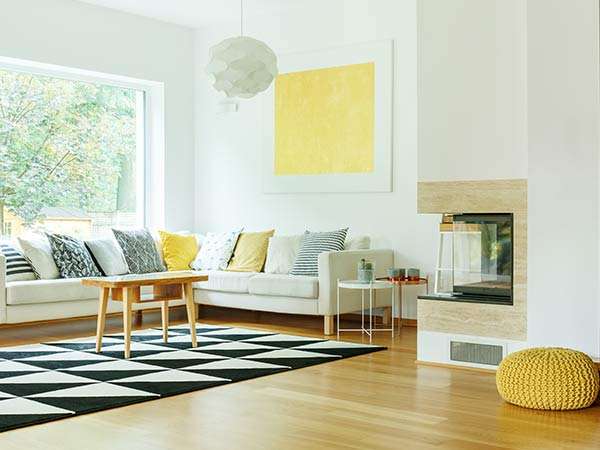
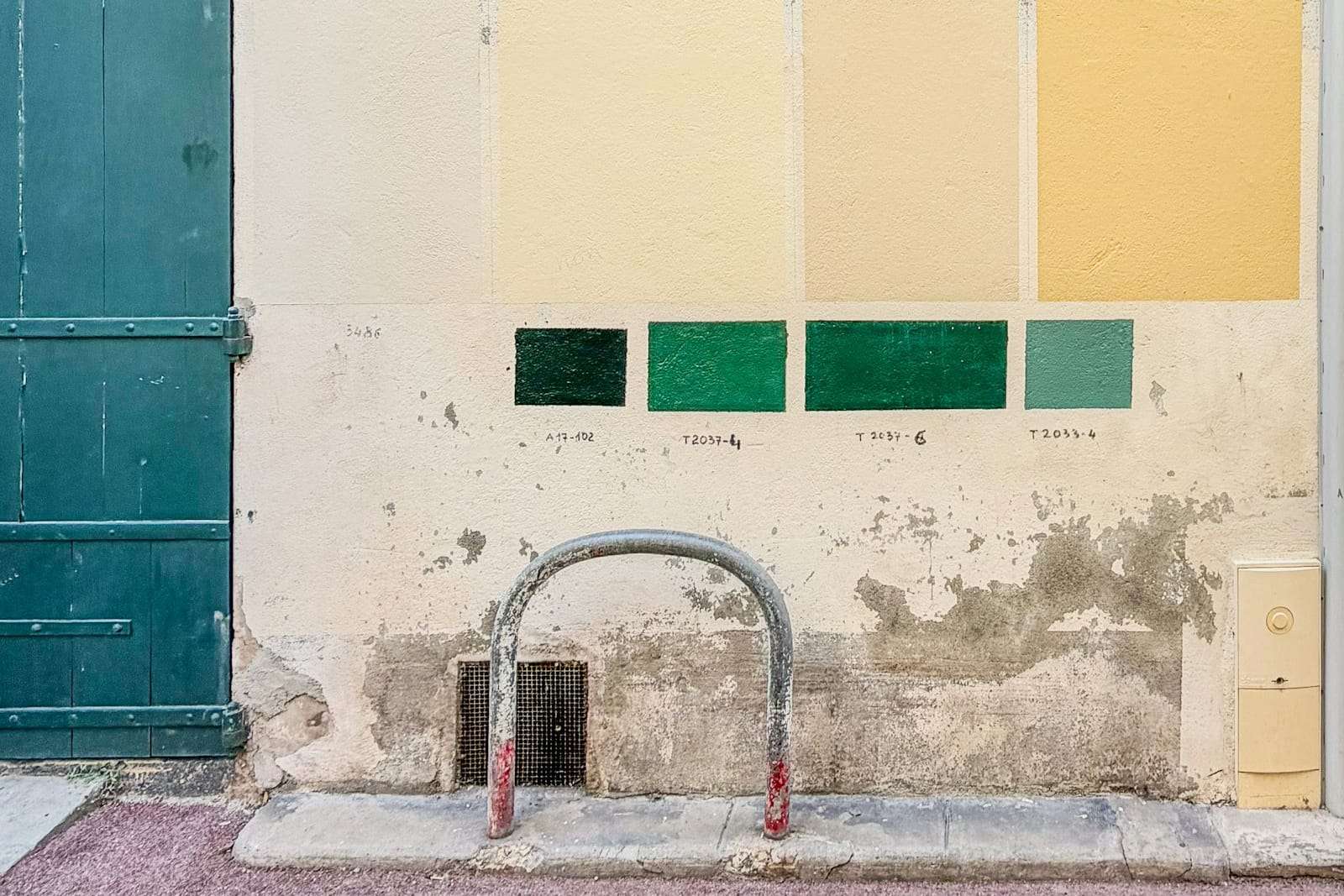
A colour chip is a few square centimetres under shop lighting. On a wall, the same colour can look lighter, darker, warmer or cooler depending on which way the room faces, the time of day, the floor and furniture, and the colours next to it. A south-facing room in a Melbourne winter can make a warm white look grey, while a north-facing room can wash out a pale colour completely.
That is why we test on your walls, with sample patches you can look at in the morning, at midday and in the evening. Our guide on how to test paint colours explains how to get the most from sample patches.
Inside, we look at how the rooms connect, so colours flow from one space to the next rather than changing abruptly at each doorway. We think about the colours you are keeping, such as floors, benchtops, tiles and furniture, and how much natural light each room gets. Small and dark rooms need particular care. Our guide to paint colours for small and dark rooms has ideas.
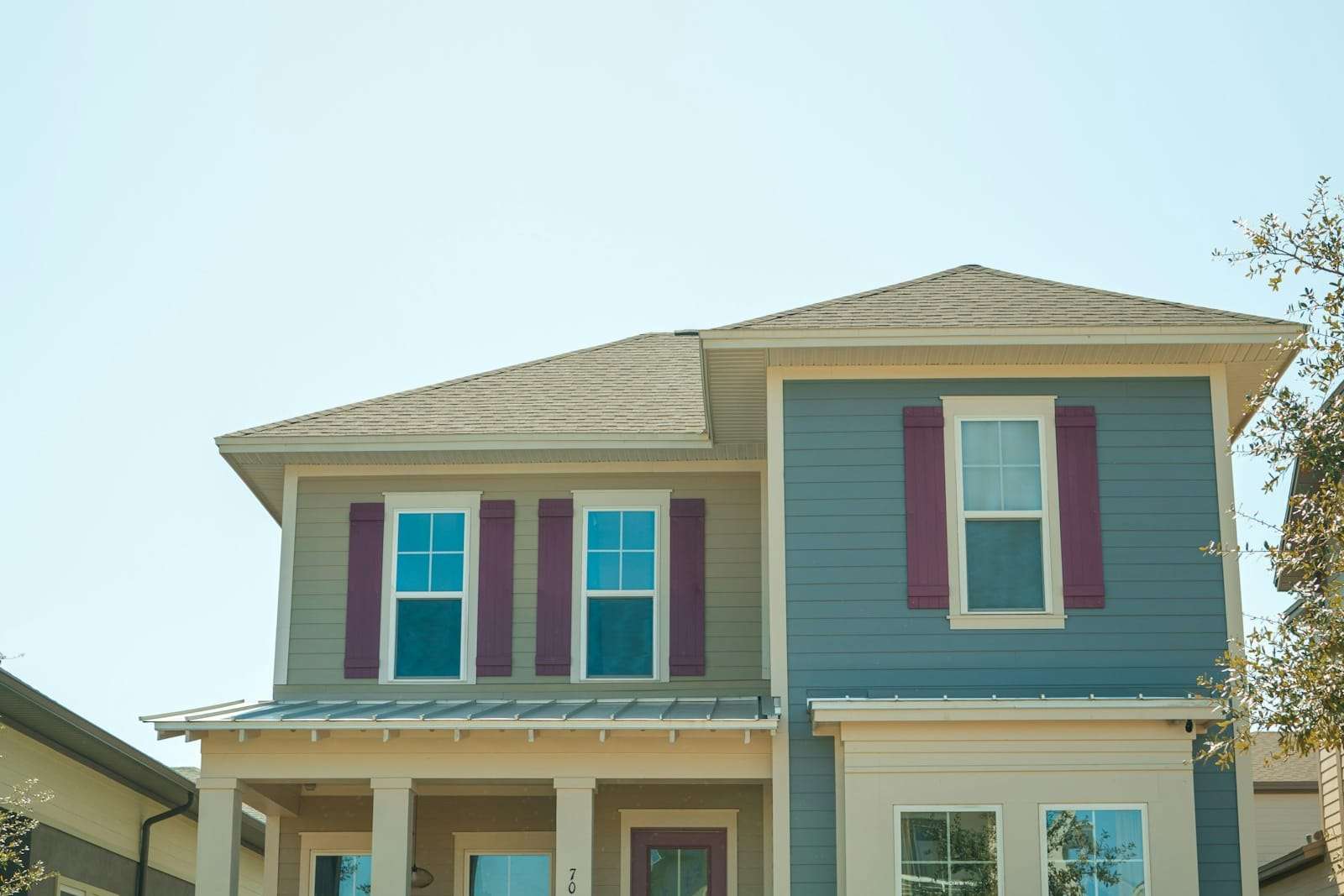
Outside, the starting point is what you cannot easily change: the roof, brick, stone, fencing and the streetscape around you. A good exterior scheme usually has a body colour, a trim colour and sometimes an accent for the front door or detail. Dark colours look striking but absorb more heat, which puts extra stress on timber and render, so we talk through how a colour will perform as well as how it looks.
For period homes, we can suggest palettes that suit the era and point out where a Heritage Overlay may affect your choice. See heritage house painting and our guide to choosing exterior house colours in Melbourne.
The same colour looks different in a flat, low sheen or gloss finish, and sheen also changes how hard-wearing and washable a surface is. We help you choose the right finish for each surface, from flat ceilings to semi-gloss trims and gloss front doors. Our guide to paint sheen levels explains the options.
Colour advice is part of our free site inspection. By the end you have a shortlist from Dulux, Taubmans or Wattyl ranges, tested on your own walls, and the final colours and finishes are written into your quote with the areas they apply to. That way the painters, the paint order and you are all working from the same list. If you would like a larger whole-house scheme, ask when you book.
Every job is covered by a written 7-year satisfaction guarantee and $10M public liability insurance. We are a member of Master Painters Australia and our team is Working with Children checked.
Colour advice is part of our free site inspection. Ask about larger whole-house schemes when you book.
We work with Dulux, Taubmans and Wattyl, so you can choose from any of their colour ranges.
Paint large patches on more than one wall and look at them in morning, midday and evening light before deciding. Colours look different on a wall than on a chip.
Yes. We can suggest palettes that suit Victorian, Edwardian and Californian bungalow homes, and point out where a council Heritage Overlay may affect your choice.
They can. Dark colours absorb more heat, which puts extra stress on timber and render. We help you weigh that up and choose a product that suits the colour.
AMP 01
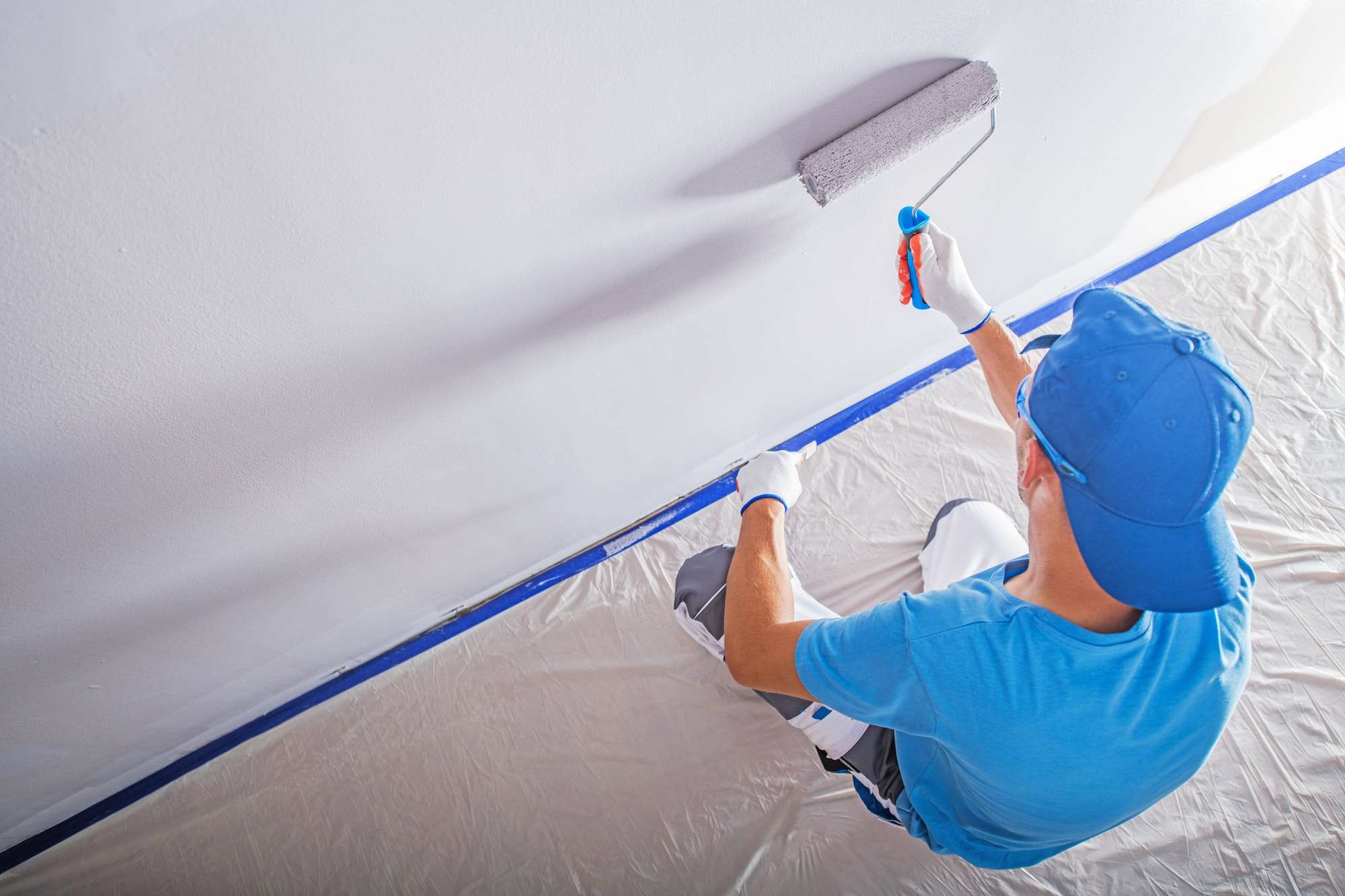
Walls, ceilings, trims and doors, with furniture moved and floors protected.

AMP 02
Weatherboard, render, brick, eaves and fences, prepared so the finish lasts.
AMP 03
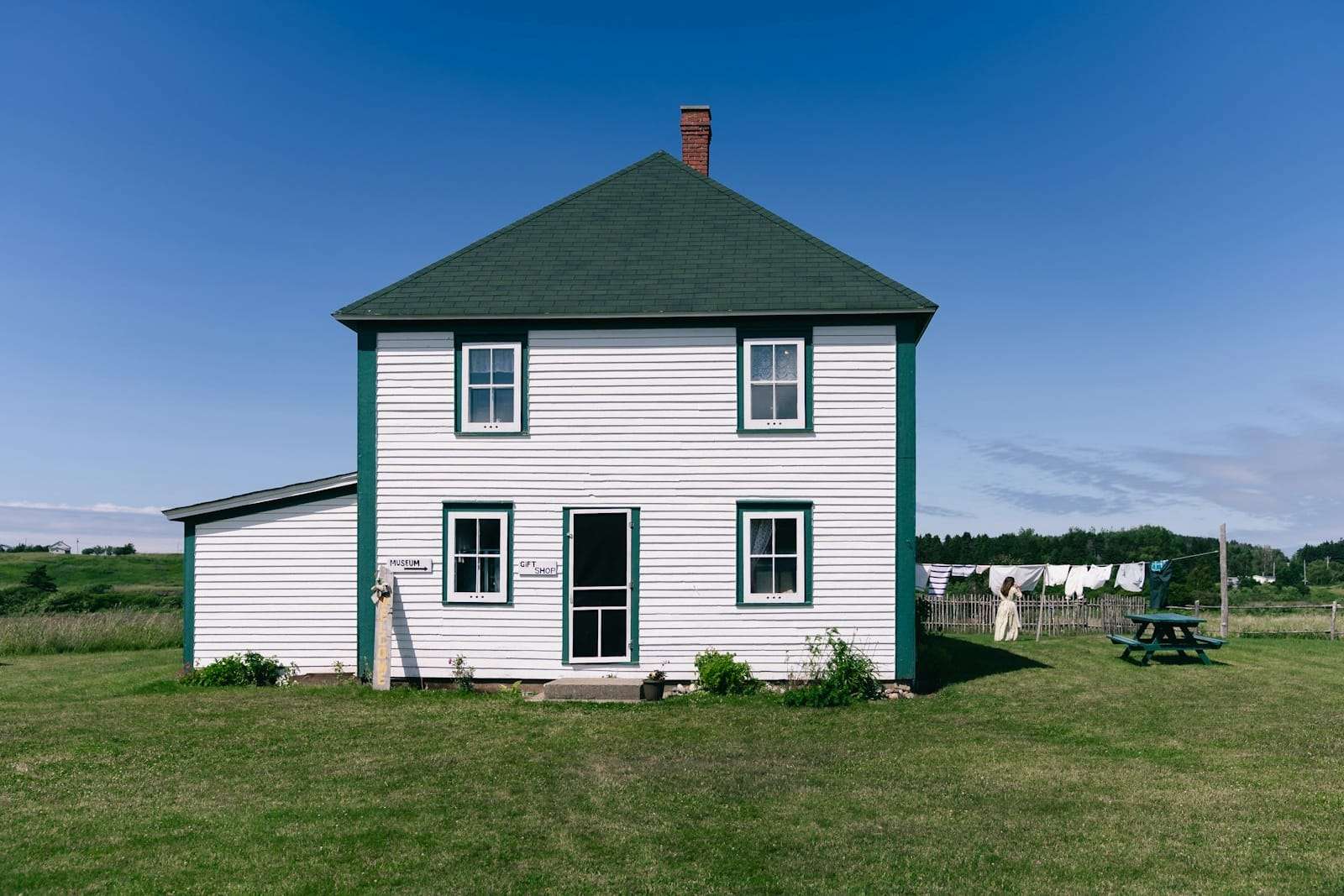
Boards, laps and trims prepared, sealed and repainted to last through Melbourne winters.
How to test paint colours properly: sample pots, large boards, several walls and every time of day. Avoid the most common and costly colour mistakes.
Choosing exterior house colours starts with your roof, brick and street, not a colour chart. Follow these steps to pick a scheme you will love for years.
The best paint colours for small rooms and dark rooms: LRV, warm whites, sheen and ceilings. Make a tight space feel bigger and brighter.
Book a free site inspection and get your written quote the next day.