How to paint rendered walls so the finish lasts
How to paint rendered walls so the finish lasts: curing times, salts, cracks and which coating to use, plus why paint fails on render and how to prevent it.
Family owned since 1998 · Painting Melbourne homes and businesses
Free site inspection · Next-day quotes1300 61 61 51
AMP 04 · Render painting
Paint on render fails when it goes on too soon, over salts or moisture, or as a rigid film over cracks that keep moving. We check the wall first, repair the cracks, treat what is underneath and choose a coating that suits the render, so the finish holds its colour.
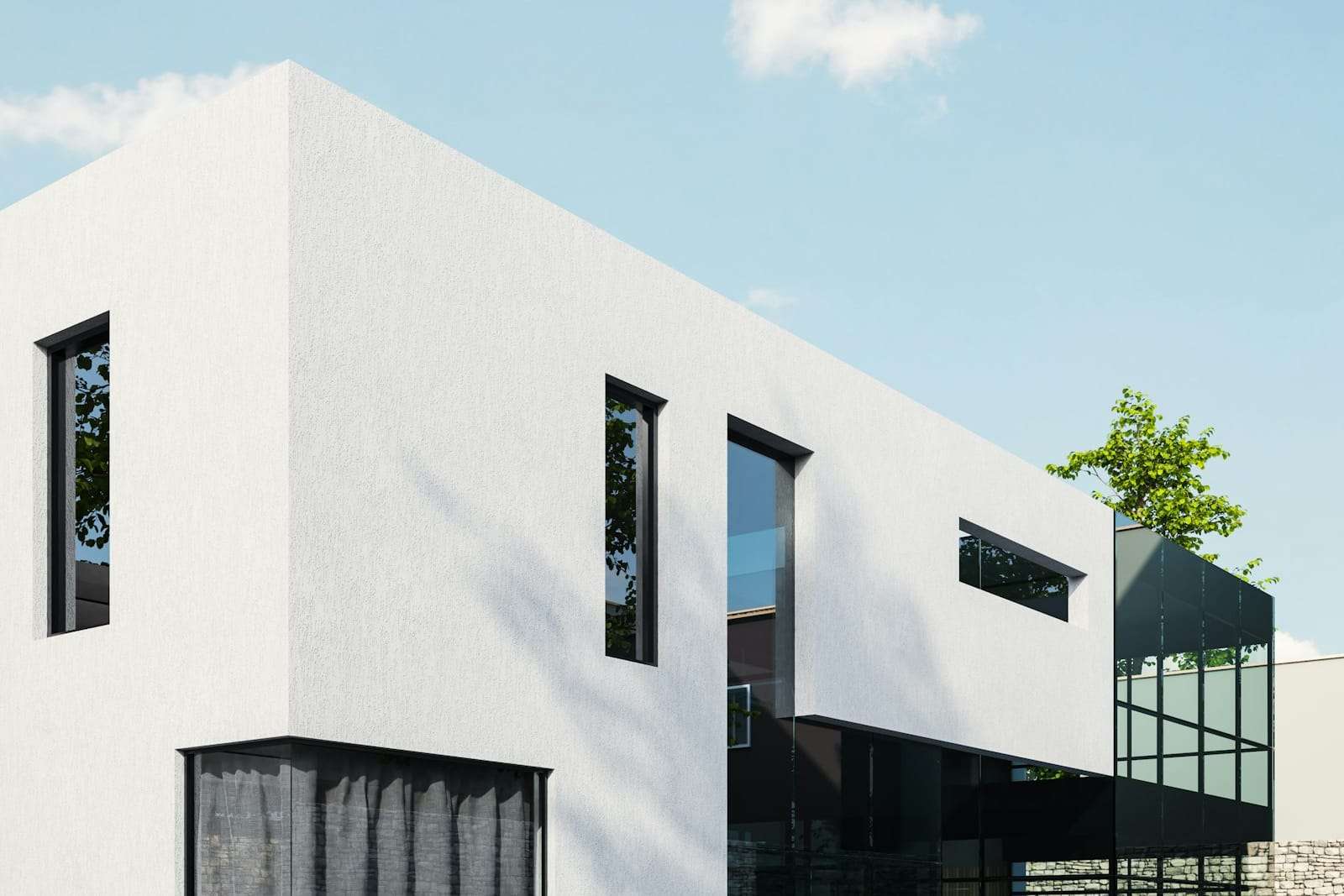
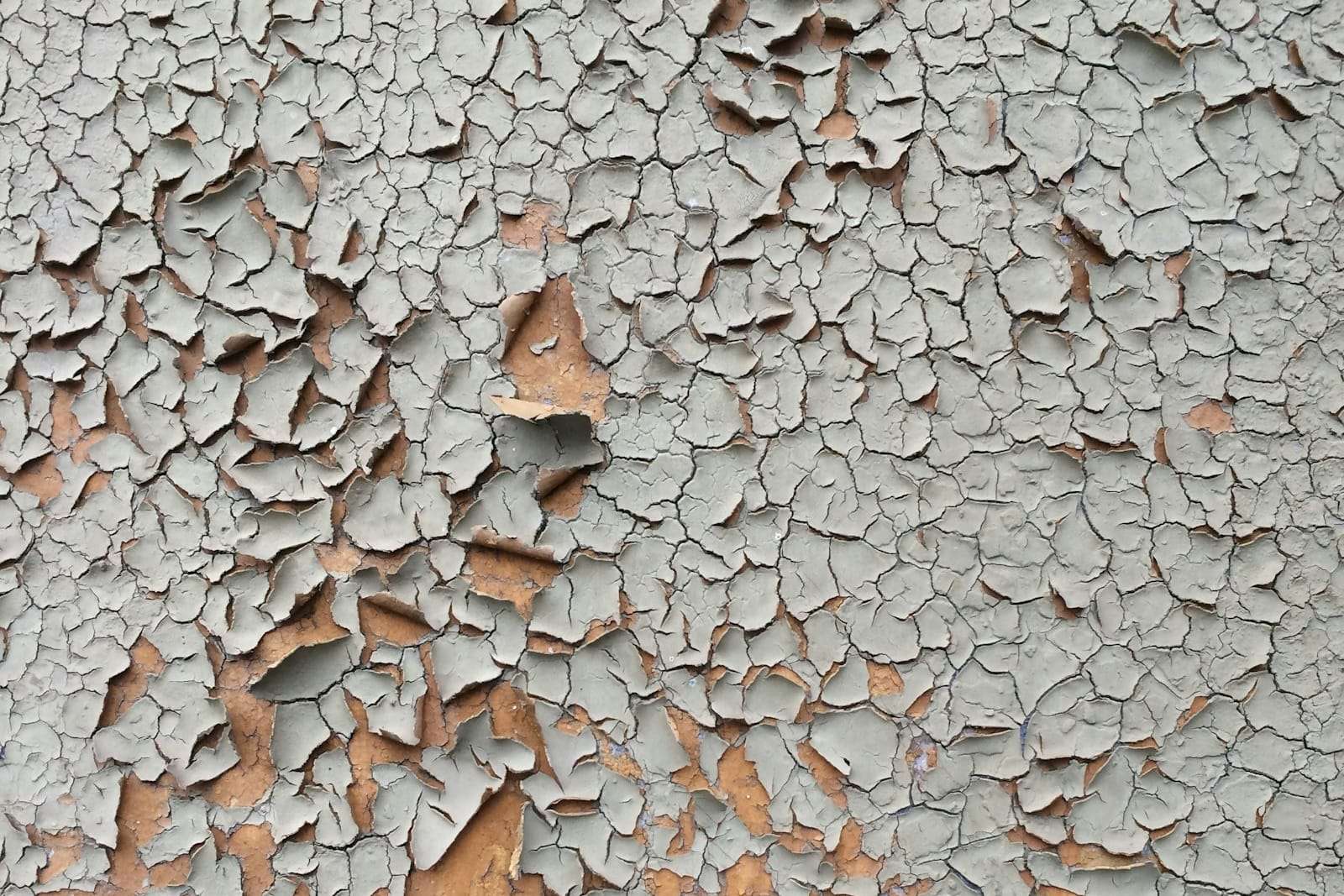
Render is cement, sand and lime. It is alkaline when new, porous, and it holds moisture, so it behaves very differently from timber. Most paint failures on render come from painting before it has cured, moisture moving through the wall from leaking gutters or garden beds, white salts on the surface, chalky old coatings, or a rigid paint film over cracks that keep opening and closing.
Our guide to painting rendered walls explains each cause and how to fix it.
Painting over a crack hides it for a season at most. We look at every crack before deciding what to do with it:
We also tap the render to find drummy patches, where it has come away from the wall behind and sounds hollow. These need repairing before any coating goes on.
Crusty white salts, known as efflorescence, mean water is moving through the wall. The moisture source has to be found and fixed first, or the salts push the new paint off. Then the salts are brushed off, the wall is cleaned and sealed with an alkali-resistant sealer.
New render needs time to cure before it is coated: at least 28 days (Taubmans), and four to eight weeks before a texture coating (Dulux), depending on thickness and weather. We check moisture with a meter rather than going by how the wall looks. If you are building or extending, our new construction team plans curing time into the programme.
The right coating depends on the condition of the render, which is why we recommend one after the inspection rather than before.
We use premium systems from Dulux, Taubmans and Wattyl and follow the manufacturer’s preparation and coat specification for each. Dark colours absorb more heat and make render move more, so a colour consultation is worth having if you are thinking of a dark facade.
Render work usually starts with a day or more of cleaning, treatment and repairs before any coating goes on, and fillers need time to dry. We cover paving, garden beds and windows before each wall, work around the forecast, and avoid painting render in direct hot sun or after a run of wet weather while the wall is still holding moisture. You do not need to be home, as long as we can reach the walls and a power and water point.
Render jobs are quoted after a free site inspection. The main factors are:
Our guide to exterior house painting costs in Melbourne gives current price ranges.
Every job is covered by a written 7-year satisfaction guarantee and $10M public liability insurance. We are a member of Master Painters Australia and our team is Working with Children checked.
Hairline cracks can be filled and bridged with a flexible membrane coating, which moves with the wall. Cracks caused by structural movement will keep returning until the cause is fixed, so we point those out for assessment first.
Yes, if it is sound, clean and dry. Unpainted render is porous and needs a masonry sealer first. If the house is in a Heritage Overlay, painting an unpainted surface needs a council permit.
New cement render needs to cure first: at least 28 days, and up to eight weeks for some coatings, depending on thickness and weather. We check it with a moisture meter before any coating goes on.
A crusty white deposit is usually efflorescence, salt left behind as moisture evaporates from the wall. A fine powder that rubs off on your hand is more likely chalking of the old paint. Each needs different preparation.
Either can give a good result. Textured and roughcast render takes more paint and needs a thicker roller or spray to reach into the surface, and we follow the coating manufacturer’s application advice.
No. Some renders are coloured through and designed to be left unpainted, while others rely on paint or a texture coating for weather protection. We can check which system your house has at the inspection.

AMP 01
Walls, ceilings, trims and doors, with furniture moved and floors protected.
AMP 02
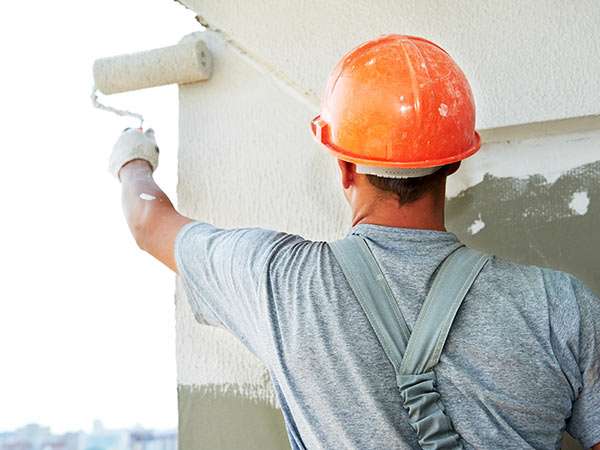
Weatherboard, render, brick, eaves and fences, prepared so the finish lasts.
AMP 03
Boards, laps and trims prepared, sealed and repainted to last through Melbourne winters.
How to paint rendered walls so the finish lasts: curing times, salts, cracks and which coating to use, plus why paint fails on render and how to prevent it.
Exterior house painting cost in Melbourne for 2026: single vs double storey, weatherboard vs brick vs render, plus preparation, access and scaffolding.
Peeling paint, cracks and blisters all have a cause. Learn how moisture, poor adhesion, heat and chalking ruin paint, and how to stop it coming back.
Book a free site inspection and get your written quote the next day.