How much to paint a house? Melbourne prices as of 2026 sit at roughly $4,200 to $10,000 for the interior of a three-bedroom house and $4,200 to $10,500 for a single-storey exterior, according to the independent cost guide What’s The Damage (GST included, verified October 2026). Where your home lands in that range depends on its size, condition and height, and on how much preparation the surfaces need.
Those figures are averages, not quotes. Below we break down the published ranges, explain what pushes a price up or down, and show why a site inspection is the only way to get a fixed figure you can budget around.
How much does it cost to paint a house in Melbourne in 2026?
The table below uses the Melbourne figures published by What’s The Damage, an independent Australian cost guide that cross-references pricing from trade platforms and industry sources. All prices include GST and were last verified in October 2026.
| Job | Low | Typical | High |
|---|---|---|---|
| Single room (walls and ceiling) | $315 | $680 | $1,050 |
| Whole interior, 2-bedroom unit | $2,625 | $4,400 | $6,800 |
| Whole interior, 3-bedroom house | $4,200 | $6,800 | $10,000 |
| Whole interior, 4-bedroom house | $4,725 | $8,400 | $12,600 |
| Exterior, single-storey | $4,200 | $6,800 | $10,500 |
| Exterior, two-storey | $7,900 | $13,650 | $18,900 |
| Exterior, timber weatherboard (full prep) | $9,450 | $15,750 | $25,200 |
| Painter hourly rate | $42 | $63 | $105 |
| Painter day rate | $370 | $525 | $680 |
The same guide reports that painter costs in Melbourne have risen around 3.9% over the past year, so older quotes and older online figures can be well out of date.
Interior painting costs
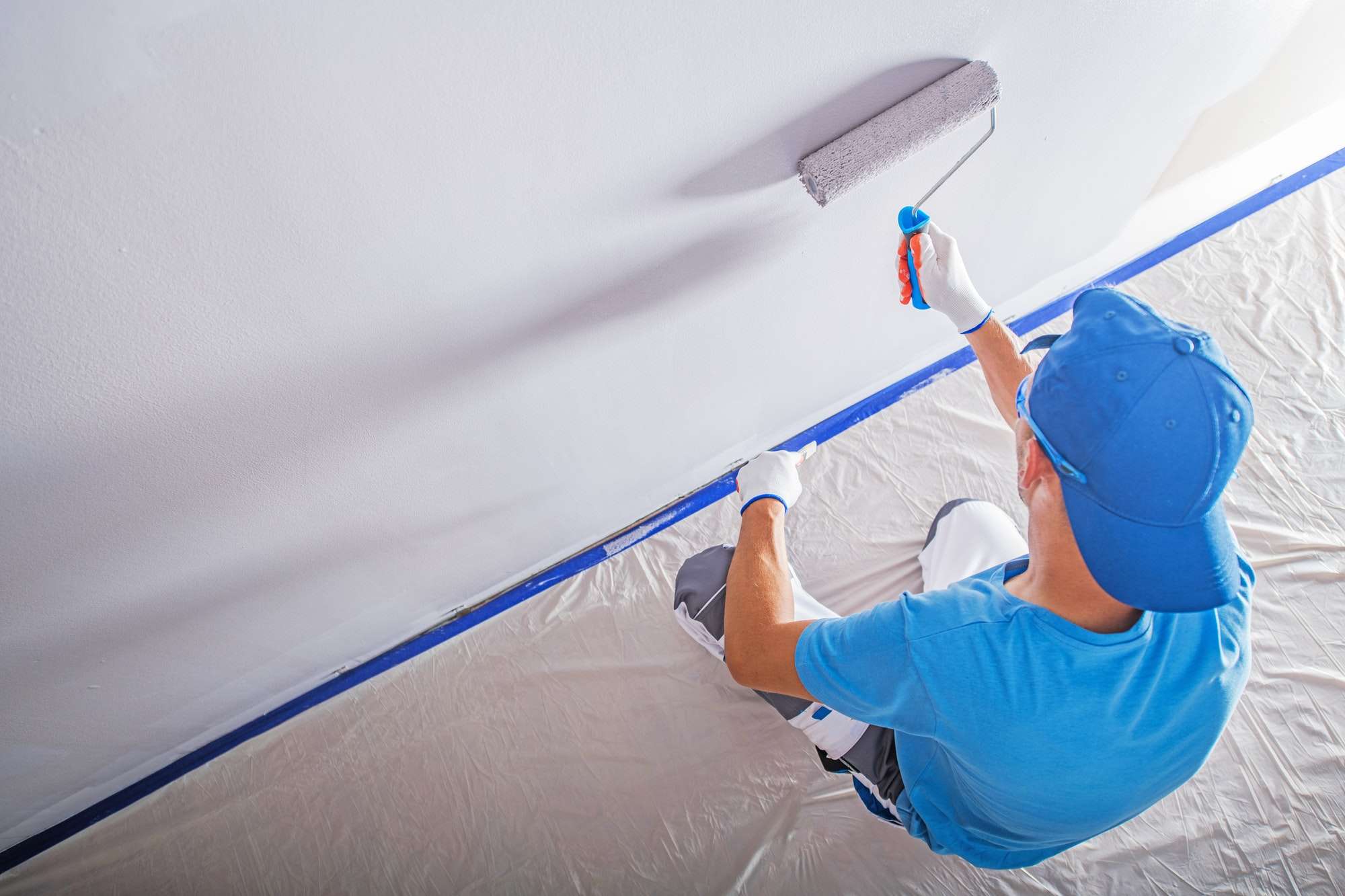
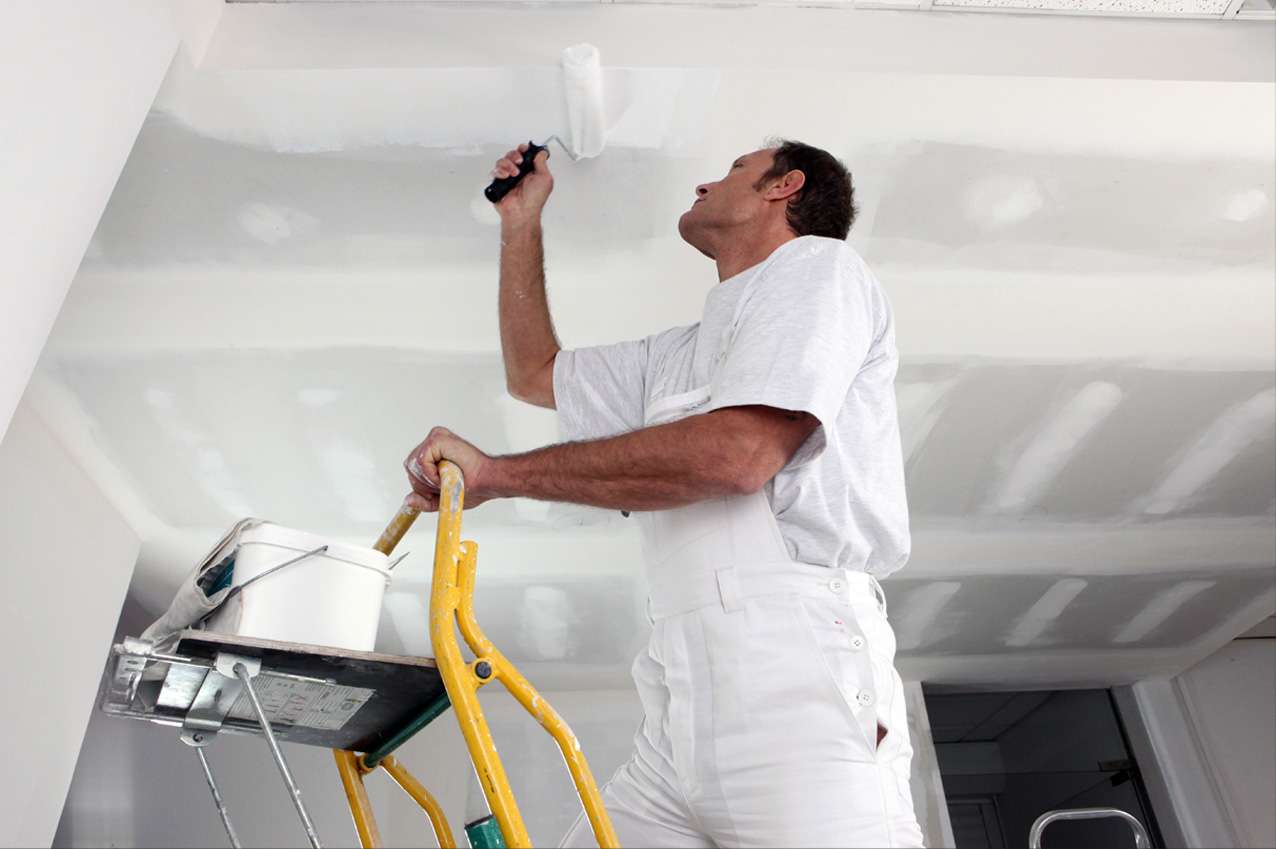
A full interior repaint normally covers walls, ceilings and woodwork such as doors, architraves and skirting boards. By wall and ceiling area, the guide puts interior work at $21 to $42 per square metre, with $32 typical. Smaller jobs are priced on their own: a feature wall runs $160 to $525 and a door painted on both sides $84 to $210. Our interior painting service page explains what a full interior repaint covers. If you are changing colours throughout, settling the scheme before you get quotes helps each painter price the same job, and a colour consultation can help you get there.
Exterior painting costs
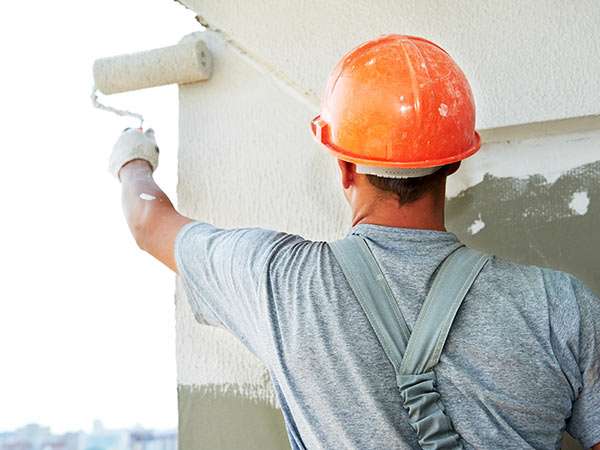
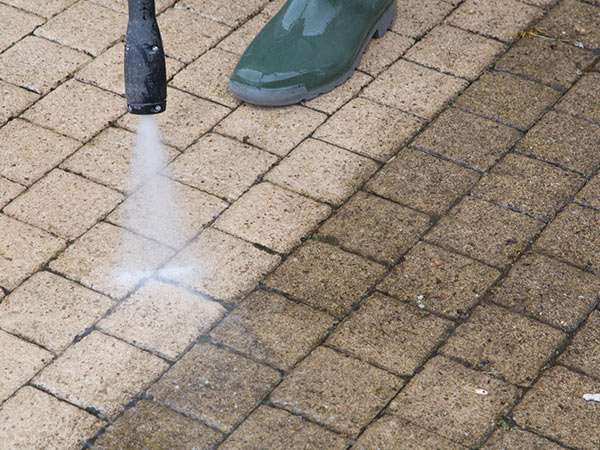
Outside work costs more per square metre ($26 to $63, typically $42) because it involves more preparation, ladders or scaffold, and weather delays. Timber weatherboards sit at the top of the range because every board may need scraping, sanding, filling and priming before a topcoat goes on. Our exterior painting service page shows what that preparation looks like.
What drives the price of a house painting job?
Two houses with the same number of bedrooms can get very different quotes. These are the things an experienced painter weighs up when they walk around your home.
Size and surface area
Painters price on the area of wall, ceiling and trim, not on the number of bedrooms. High ceilings, open-plan living areas and extensions all add square metres.
Condition and preparation
Preparation is where most of the labour goes. Cracked plaster, peeling or flaking paint, mould, nail holes and gaps that need filling all add time before painting starts. A surface in good condition that only needs a light sand and two topcoats is far quicker than one that needs patching, spot-priming and caulking.
Type of surface
Each surface needs its own preparation and products. Timber weatherboards need loose paint scraped back, bare spots primed and gaps sealed. Render can have hairline cracks that need filling, and new render has to cure before it can be painted; Taubmans’ Sunproof Exterior datasheet says to allow cement render and masonry 28 days. Interior plaster may need patching, and glossy old enamel on doors and trims needs sanding or a bonding primer so the new coat sticks. A house with several surface types takes more time and more products than one with plain walls throughout.
Height and access
A single-storey house can usually be painted from ladders and planks. Two storeys, sloping blocks and tight side passages often need scaffold or an elevated work platform, which adds hire costs and set-up time. That is a big part of why the two-storey range above is so much higher.
Number of colours and level of detail
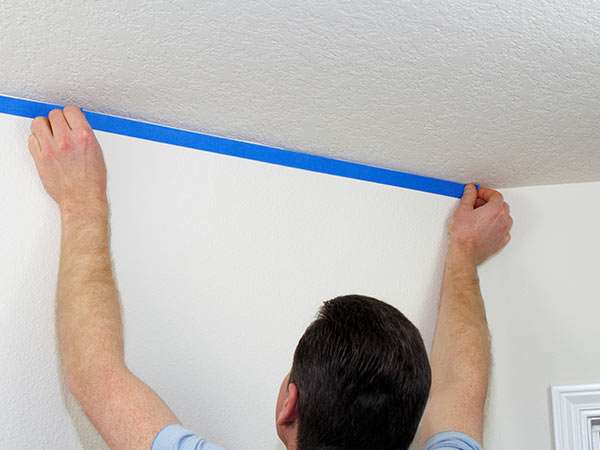
Every extra colour means more cutting in and more masking. Doors, window frames, fretwork and cornices are slow, careful work. The cost guide notes that Victorian-era homes with ornate cornices, ceiling roses and detailed timber trim can cost 20 to 30% more than a modern home for this reason.
Paint quality and number of coats
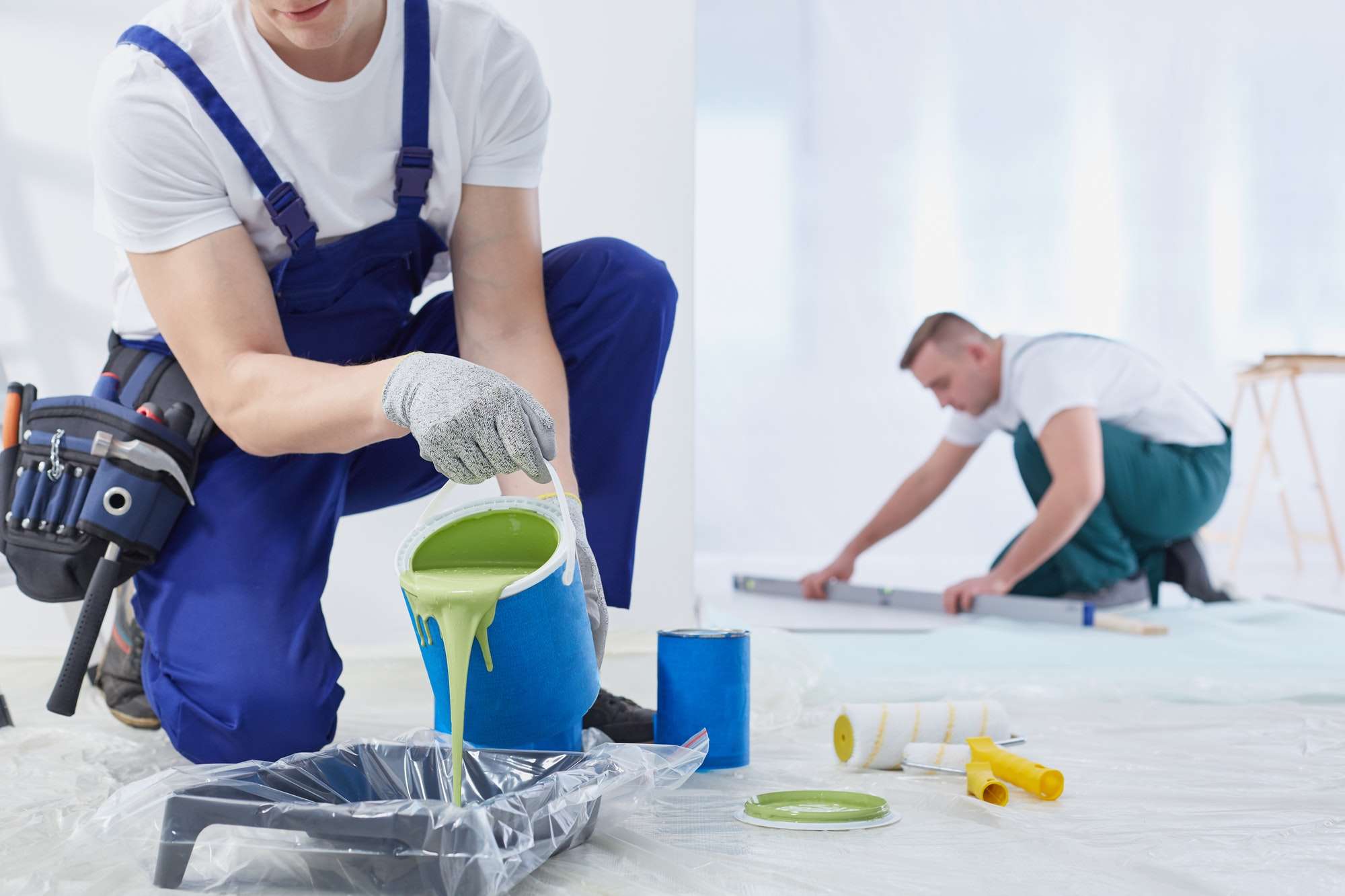
Premium paints cost more per litre but generally cover better and last longer. Deep or strong colours and big colour changes can need an extra coat, and bare or repaired surfaces need a primer or sealer first. A good quote names the brand, the product and the number of coats so you know what you are paying for.
Whether the house is lived in
An empty house is faster to paint than an occupied one, where furniture has to be moved, covered and worked around room by room.
Lead paint in older homes
According to the Australian Government’s Lead Alert guide, homes built before 1970 are most at risk of having lead paint, although newer homes can have it too. Disturbing it safely means extra containment, wet preparation methods and careful clean-up, and all of that adds time. Many Melbourne weatherboards, Edwardians and Californian bungalows were built before 1970, so ask any painter how they will test for lead and handle it.
Should you pay by the hour, by the day or a fixed price?
Hourly rates suit small touch-ups and odd jobs. For anything bigger, a fixed price is almost always better for the homeowner. As What’s The Damage points out, a typical day rate of $525 is close to eight hours at the typical $63 an hour, so a day booking buys certainty about the bill rather than a discount.
- Hourly rate: fine for a single door, a patch-up or a small repair, but the total is open-ended if the job grows.
- Day rate: suits short jobs with a clear plan for each day, but extra days add up if preparation takes longer than expected.
- Fixed quote: the best option for whole rooms, whole interiors and exteriors, as long as the scope is written down clearly.
A fixed quote only protects you if it lists the preparation, coats and paint. Our guide to what a painting quote should include covers the details to look for and the red flags to avoid.
How can you keep the cost of painting a house down?
There are honest ways to reduce a quote without skimping on preparation, which is the part that decides how long the finish lasts.
- Bundle the work. Painting several rooms in one visit is usually better value than booking them one at a time.
- Clear the rooms yourself. Move furniture away from the walls and take down pictures, curtains and hooks so paid hours go on painting.
- Keep the colour scheme simple. Fewer colours means less cutting in and masking.
- Plan exterior work around the weather. Melbourne’s weather affects how many good painting days a job gets. See the best time to paint your house exterior in Melbourne.
- Do the easy parts yourself if you enjoy it. A spare bedroom, a garden shed or a low fence can be a satisfying DIY job. Leave high work, badly damaged surfaces and anything that might involve lead paint to a professional.
It also helps to know how long the work will take so you can plan around it. Our guide on how long it takes to paint a house explains the typical timeframes.
Why a site inspection gives you a fixed price
Online ranges are a useful starting point, but they can’t see your house. A painter who inspects in person can measure the surfaces, check for moisture, cracking and failing old paint, look at access, and talk through colours and finishes. That is what turns a rough estimate into a fixed price.
At AMP Master Painters, every job starts with a free site inspection and scope, and you usually receive a written quote the next day. We have been painting Melbourne homes since 1998 from our base in Doncaster East, we use premium Dulux, Taubmans and Wattyl paints, and every job carries a written 7-year guarantee. You can see how a job runs from start to finish on our process page.
If you are comparing several painters, our article on how to choose a house painter in Melbourne lists the questions worth asking before you sign anything.
The bottom line
As of 2026, Melbourne price guides put a three-bedroom interior at roughly $4,200 to $10,000 and a single-storey exterior at $4,200 to $10,500, with two-storey and weatherboard homes costing more. Size, condition, access, detail and paint quality decide where your home falls. Use the ranges to set a budget, then get a fixed written quote based on a proper inspection before you commit.