Preparing for painters comes down to four jobs: clear the rooms, confirm colours and scope, plan where people and pets will be, and protect anything valuable or fragile. The painters handle the surface preparation, masking and protection. Your part is making sure they can get to the walls and work without interruptions.
Below is a practical checklist, in the order you will need it, for anyone getting ready for an interior repaint in Melbourne.
What does preparing for painters actually involve?
It helps to know where the line usually sits between your jobs and the painter’s. A professional quote should spell out the preparation it includes. Our guide to what a painting quote should include covers this in detail. As a rule of thumb:
| Task | Usually the homeowner | Usually the painter |
|---|---|---|
| Packing ornaments, books and photos | Yes | |
| Taking down art, mirrors and curtains | Yes | Sometimes, if agreed |
| Moving heavy furniture to the middle of the room | Agree in advance | Agree in advance |
| Removing switch plates and fittings | Yes | |
| Filling, sanding and spot priming | Yes | |
| Drop sheets, masking and floor protection | Yes | |
| Choosing and confirming colours | Yes | Advice if you ask |
| Final walk-through and touch-ups | Together | Together |
The middle row is the one to settle early. Some painters move furniture as part of the job and some prefer you to do it, so ask the question before the start date.
Two weeks out: settle the scope, colours and timing
Lock in your colours
Changing your mind on day two is the most common cause of delays. Test your colours on the walls in the rooms you are painting, at different times of day, before the job starts. Our guide on how to test paint colours walks you through it. If you are stuck between options, a colour consultation can settle it before anyone opens a tin.
Write down the final colour, brand and sheen for each surface: walls, ceilings, doors and trims. If you are unsure about sheen, see paint finishes explained.
Confirm what is in and what is out
Walk through the house with the quote in hand and check:
- Which rooms are included, and whether that covers ceilings, doors, skirting boards and window frames
- Whether built-in cupboards, the insides of wardrobes or stair balustrades are part of the job
- How many coats are allowed for, especially if you are making a big colour change
- What happens if the painters find a problem, such as cracked plaster or water damage
Plan around family life
Ask your painter which rooms they will tackle first and roughly how many days each part will take. Our article on how long it takes to paint a house gives you a feel for what drives the timeline. Then plan around it:
- Bedrooms are often easiest to do while you are away for a night or two, or by moving people around for a few days
- If you work from home, choose a room that will be painted early or late in the job as your office
- Kitchens can usually stay in use with some planning, but expect a day or two of limited bench and cupboard access
Mention lead paint if your home is older
If your home was built before 1970, the older layers of paint may contain lead. The Australian Government’s Lead Alert guide to painting your home says homes built before 1970 are most at risk. Tell your painter early if you know or suspect it, because it changes how the surfaces are prepared. Our guide to lead paint in older homes explains what to expect.
The few days before: clear and pack
This is the part that makes the biggest difference to how smoothly the job runs.
- Empty shelves and surfaces. Pack ornaments, books, photos and anything breakable into boxes and move them out of the room or into a cupboard that is not being painted.
- Take down wall items. Remove art, mirrors, clocks, TVs on brackets and shelves you can unscrew. Keep screws and brackets in a labelled zip-lock bag.
- Take down curtains and blinds if they sit close to the walls or window frames being painted.
- Clear the edges of each room. Painters need roughly an arm’s length of space along each wall. Move smaller furniture out and leave heavy pieces for whatever you agreed.
- Protect valuables and private items. Put jewellery, documents, medication and anything personal somewhere secure. It keeps them safe and saves everyone an awkward moment.
- Vacuum floors and skirting boards. Less dust and pet hair means a cleaner finish.
- Sort access and parking. Let the painters know where to park, how to get in and which bathroom they can use.
What will the painters do to protect your home?
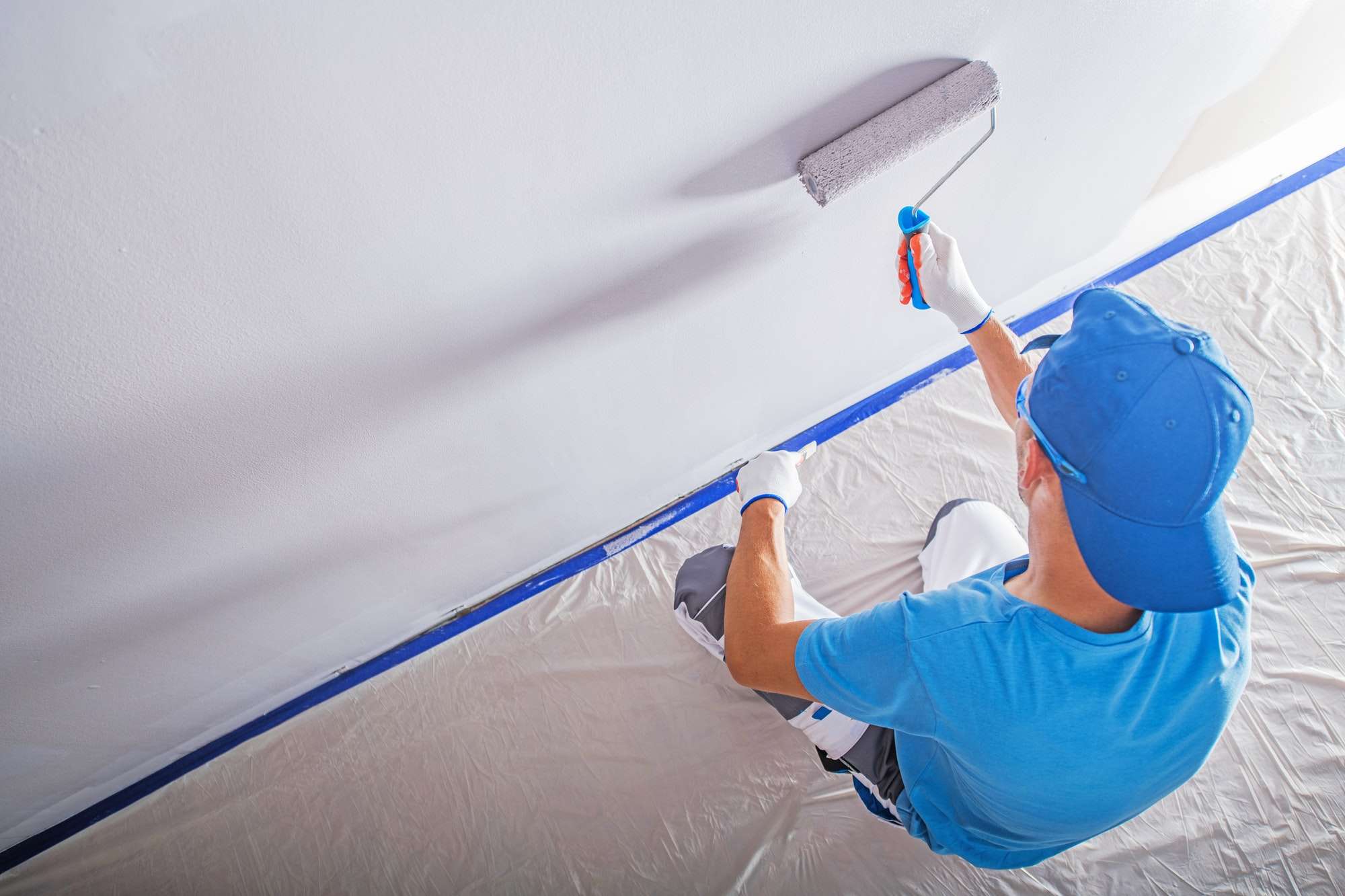
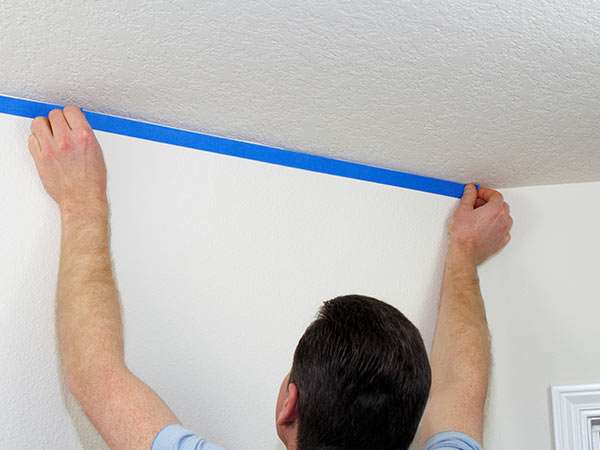
A good team takes protection seriously. On a typical interior job you should expect drop sheets over floors and furniture, masking on edges and fittings, switch plates and fittings removed or covered, and the work area tidied at the end of each day.
At AMP Master Painters, preparation and masking is a set step in our process, after the free inspection and scope, colour consultation and OH&S set-up. Whoever you hire, ask them to describe how they protect floors and furniture. A clear answer is a good sign.
Kids, pets and fresh paint: how to manage the painting days
Keep the work area off-limits
Close doors to the rooms being painted where you can, and keep children and pets out. Wet paint, open tins, ladders and drop sheets are all trip and mess hazards.
Let the fresh air in
Keep windows open in the rooms being painted where weather and security allow. Many modern interior paints are water-based and labelled low odour and low VOC. Dulux, for example, lists its Wash&Wear Low Sheen as low odour and low VOC. Ventilation still helps the paint dry and the room feel fresh sooner.
Know the difference between dry and cured
Water-based paint can feel dry quickly. The same Dulux product page lists it as touch dry in 30 minutes and ready to recoat after 2 hours under normal conditions. Paint keeps hardening after it feels dry, though, so for the first few days:
- Push furniture back gently and leave a small gap from the wall
- Avoid hanging heavy art or sticking tape on fresh walls
- Wipe marks softly with a damp cloth rather than scrubbing
- Open and close freshly painted doors and windows carefully
After the job: the walk-through and putting things back
Before the painters pack up, walk through each room together in good light. Look along walls at an angle, check cutting-in lines at ceilings and trims, and point out anything you want touched up. This is far easier while the team and the right colours are still on site.
Then put the house back together:
- Rehang art and curtains once the paint has had a few days to harden
- Keep the leftover paint, sealed and labelled with the room and colour, for future touch-ups
- Store tins somewhere cool and dry, off the floor of the garage if it gets damp
If you are planning an interior repaint and want help with the scope, a site inspection is the easiest place to start. AMP offers a free site inspection and usually provides a written quote the next day.
The bottom line
Preparing for painters is mostly common sense done early. Confirm your colours and scope in writing, clear the rooms and pack the fragile things, and plan where the family and pets will be. Do that, and the painters can spend their time on the work itself, which is what gives you a finish you will be happy living with.