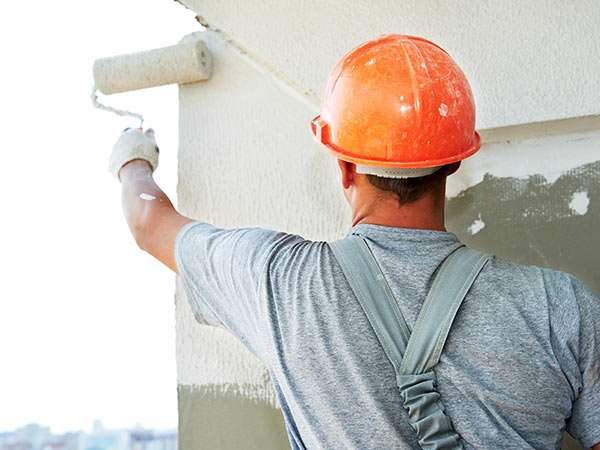
Painting asbestos eaves is possible only when the sheeting is in good condition and the work doesn’t disturb its surface: no pressure cleaning, no sanding, scrubbing or grinding, no power tools. Even then, painting doesn’t make asbestos safe, and Victoria’s current guidance leans away from it, advising that coating asbestos hides the problem and makes removal harder. If your home was built or renovated before 1990, assume flat sheet eaves and fibro walls may contain asbestos until a laboratory test says otherwise, and get cracked or weathered sheeting assessed rather than painted.
This guide draws on the Victorian Asbestos Hub, WorkSafe Victoria’s Managing asbestos in workplaces compliance code and the Australian Government’s Asbestos and Silica Safety and Eradication Agency. It is general information, not a substitute for advice from an asbestos professional.
Which Melbourne homes have asbestos eaves and fibro walls?
The Victorian Asbestos Hub says that if your home or building was built or renovated before 1990, it likely contains asbestos. Asbestos was used in Australian building products until the late 1980s, and its use, import and export were banned at the end of 2003. WorkSafe Victoria’s compliance code puts the national total ban at 31 December 2003, and notes that cement sheet installed before then may contain asbestos.
That covers a lot of Melbourne: post-war weatherboard and brick veneer homes, 1960s and 1970s houses, and older homes with later extensions or sleep-outs. A house built before 1990 doesn’t always contain asbestos, and a newer one isn’t automatically clear, so the date is a guide, not an answer.
| When the house or extension was built | What the guidance says |
|---|---|
| Before 1990 | Likely to contain asbestos, according to the Victorian Asbestos Hub |
| 1990 to 2003 | Less likely, but WorkSafe Victoria says cement sheet installed before 31 December 2003 may contain asbestos |
| After 2003 | All forms of asbestos were banned, though WorkSafe notes some imported building products have still been found to contain it |
Where to look on the outside of a house
The national asbestos agency’s guide for householders lists these places outside the home:
- Roof sheeting and ridge capping
- Gutters, downpipes, gables and eaves or soffits, including the lining under eaves
- Wall cladding, including imitation brick cladding
- Fencing, carports, garages, outhouses and garden sheds
- Water pipes, flues and electrical switchboards
Inside, it lists wall and ceiling sheeting (particularly in kitchens, bathrooms, toilets and laundries), backing for wall tiles and splashbacks, textured paint and vinyl floor tiles. Our guide to painting kitchens and bathrooms covers older wet areas.
How can you tell if eaves are asbestos?
You can’t tell by looking. The Victorian Asbestos Hub says you cannot confirm asbestos just by looking at a material, and that only laboratory testing of a sample can tell you definitively.
The Hub’s page on identifying asbestos safely says:
- Only a NATA-accredited laboratory can confirm whether a material contains asbestos
- Some laboratories accept samples collected by the property owner, and if you do this you need to follow the lab’s safety instructions carefully
- It is safest to have a qualified professional inspect and sample suspect materials, such as an asbestos surveyor, hazardous materials consultant, occupational hygienist, or a building surveyor with asbestos identification training
The national agency’s advice on asbestos in the home is simple: if in doubt, have the material tested, or assume it is asbestos and take precautions.
Is it safe to paint asbestos eaves?
This is where the official advice differs, and it’s worth knowing both sides.
- National guidance allows it for sound material. The national agency’s householder guide says to maintain asbestos materials in good condition by using paint or other sealants, enclosures and capping, while never using high-pressure water or abrasive processes on them.
- Victoria’s Asbestos Hub advises against it. Its page on what to do if you can’t remove asbestos now says not to try to seal or paint over asbestos, because coating it masks the problem and makes future removal harder. It says interim steps “buy you time, not safety”, and that you should plan for removal.
- WorkSafe Victoria treats sealing as a stopgap. Its compliance code calls sealing the least effective way to control asbestos fibres, because the coating can deteriorate with weather, impacts, drilling or sanding. It says sealing should only be an interim measure until the material can be removed or enclosed, should only be done on material in good condition, and that where practicable sealing should be avoided and replacement considered.
So painting asbestos cement doesn’t make it safe or fix it for good. The bigger risk is the preparation: anything that wears, cuts or blasts the sheet can release fibres. The Hub’s building and renovation page says all forms of asbestos cause cancer, and the risk arises when fibres are released into the air and breathed in.
If the eaves are already painted, intact and only due for a refresh, and removal isn’t planned yet, a careful repaint that disturbs nothing is a different job from preparing bare, weathered sheeting. If the sheets are cracked, broken, crumbling or badly weathered, WorkSafe’s code says the material should be removed and replaced rather than sealed.
Can you pressure wash asbestos eaves or fibro?
No. This is the clearest rule of all.
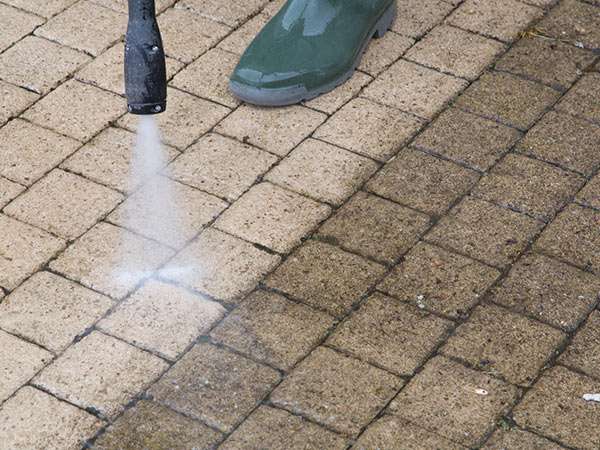
- The national agency states that it is illegal in every state of Australia to use high pressure water spray or compressed air on asbestos materials, and that fibres released by cleaning often end up on neighbouring properties, gardens, footpaths and stormwater drains.
- In Victoria, regulation 216 of the Occupational Health and Safety Regulations 2017, as set out in WorkSafe’s asbestos compliance code, says employers and self-employed people must not use high-pressure water jets, power tools, brooms or brushes on asbestos unless the use is controlled to keep airborne fibres below strict limits. The code adds that high-pressure spray to clean asbestos material is not recommended, as the exposure is unlikely to be controllable.
- WorkSafe’s procedure for sealing asbestos cement sheeting says never to use high-pressure water cleaning methods, because cleaning the sheeting that way damages the surface and sprays cement debris and asbestos fibres into the air, putting the worker, the occupier and the neighbours at risk.
A normal exterior repaint starts with a wash down, which is why suspect eaves and sheeting need to be identified before anyone picks up a pressure cleaner. We never use our pressure cleaning service on eaves, walls or roofs that may be asbestos cement.
What should never be done to asbestos cement?
| Method | What the guidance says |
|---|---|
| High-pressure water cleaning | Illegal on asbestos materials in every state, according to the national agency; restricted under Victoria’s OHS Regulations; WorkSafe’s procedure says never use it |
| Compressed air | Illegal on asbestos materials in every state, according to the national agency |
| Dry sanding | WorkSafe says never prepare asbestos cement by dry sanding; where sanding is needed, consider replacing the sheeting instead |
| Scrubbing, grinding or other abrasive cleaning | The national agency says never use any abrasive process to clean asbestos materials |
| Power tools to cut, drill, grind or sand | The national agency says don’t; Victoria restricts their use on asbestos unless controlled |
| Dry sweeping with brooms or brushes | The national agency says don’t dry-sweep asbestos dust |
| Household vacuum cleaners | The national agency says don’t use one, even with a HEPA filter; use a Class H vacuum |
How is asbestos cement painted when it is?
WorkSafe Victoria’s compliance code includes an example procedure for sealing asbestos cement sheeting at a workplace, and the Victorian Asbestos Hub’s advice for homeowners points out that your home becomes a workplace once you hire someone to work on it. The key points are:
- Check the sheeting first. Only seal asbestos cement that is in good condition, and inspect it thoroughly before work begins.
- Clean without disturbing it. Wipe dusty surfaces with a damp cloth, fold rags to a clean side rather than re-soaking them in the bucket, and use a Class H vacuum to remove loose dust before sealing.
- No dry sanding. Wet sanding may be used if all the runoff is captured and filtered where possible, but if sanding is needed, the code says to consider replacing the material.
- Apply gently. The code recommends a low-pressure airless spray gun, because rollers and brushes on bare asbestos cement can abrade the surface. Never use high-pressure spray to apply the paint, and if a roller or brush is used, use it lightly.
- Protect people. Close off the work area, keep as few people in it as possible, lay heavy-duty plastic where surfaces could be contaminated, and wear protective clothing and at least a non-disposable half-face respirator with a P1 or P2 filter.
- Treat waste as asbestos waste. Used rags, plastic sheeting and debris go in labelled asbestos waste bags.
The code also suggests using a sealant in a different colour from the sheeting so its condition can be checked over time, and says epoxy-based paints are appropriate for sealing as they are typically more durable than other paints.
What if the paint on fibro is peeling?
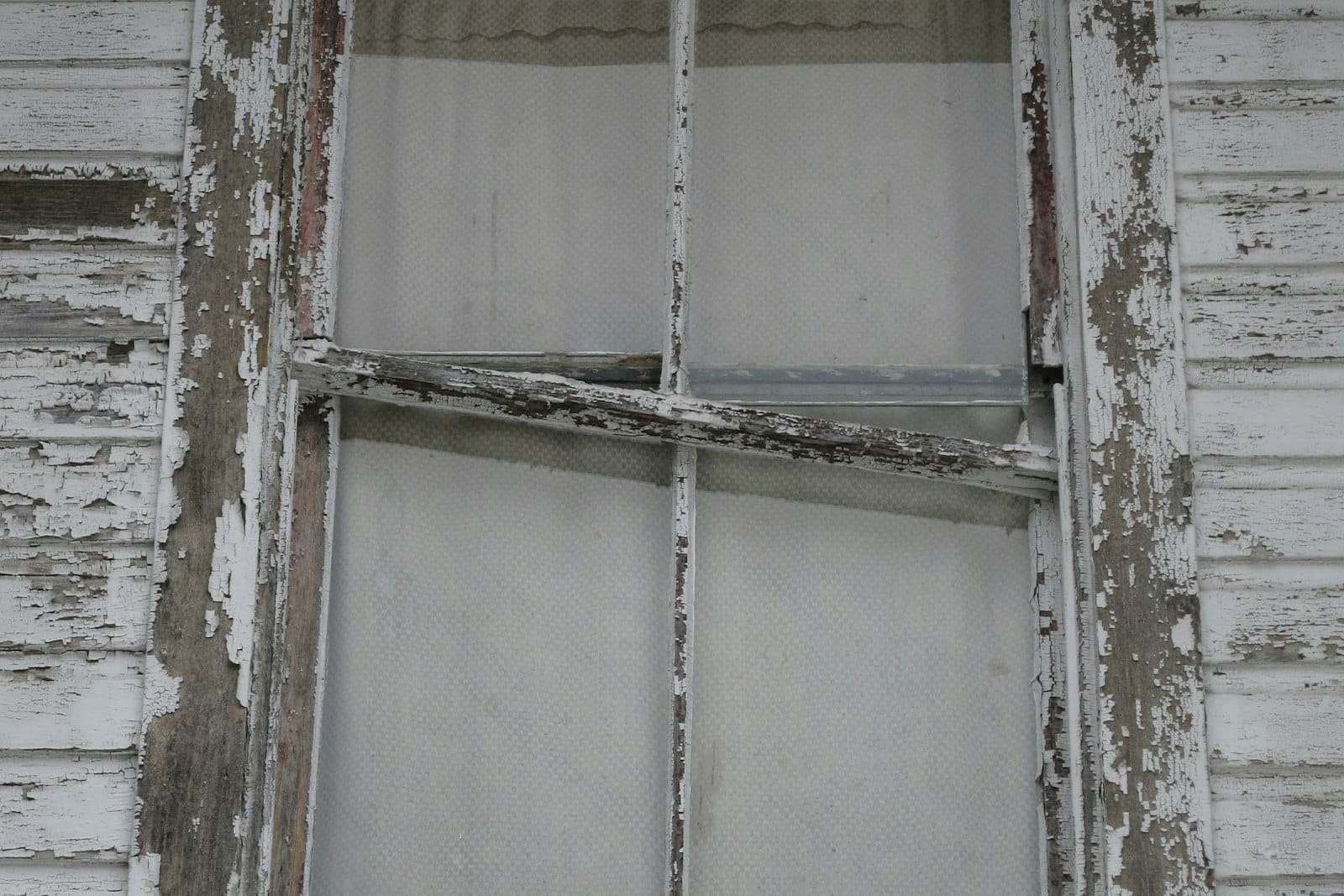
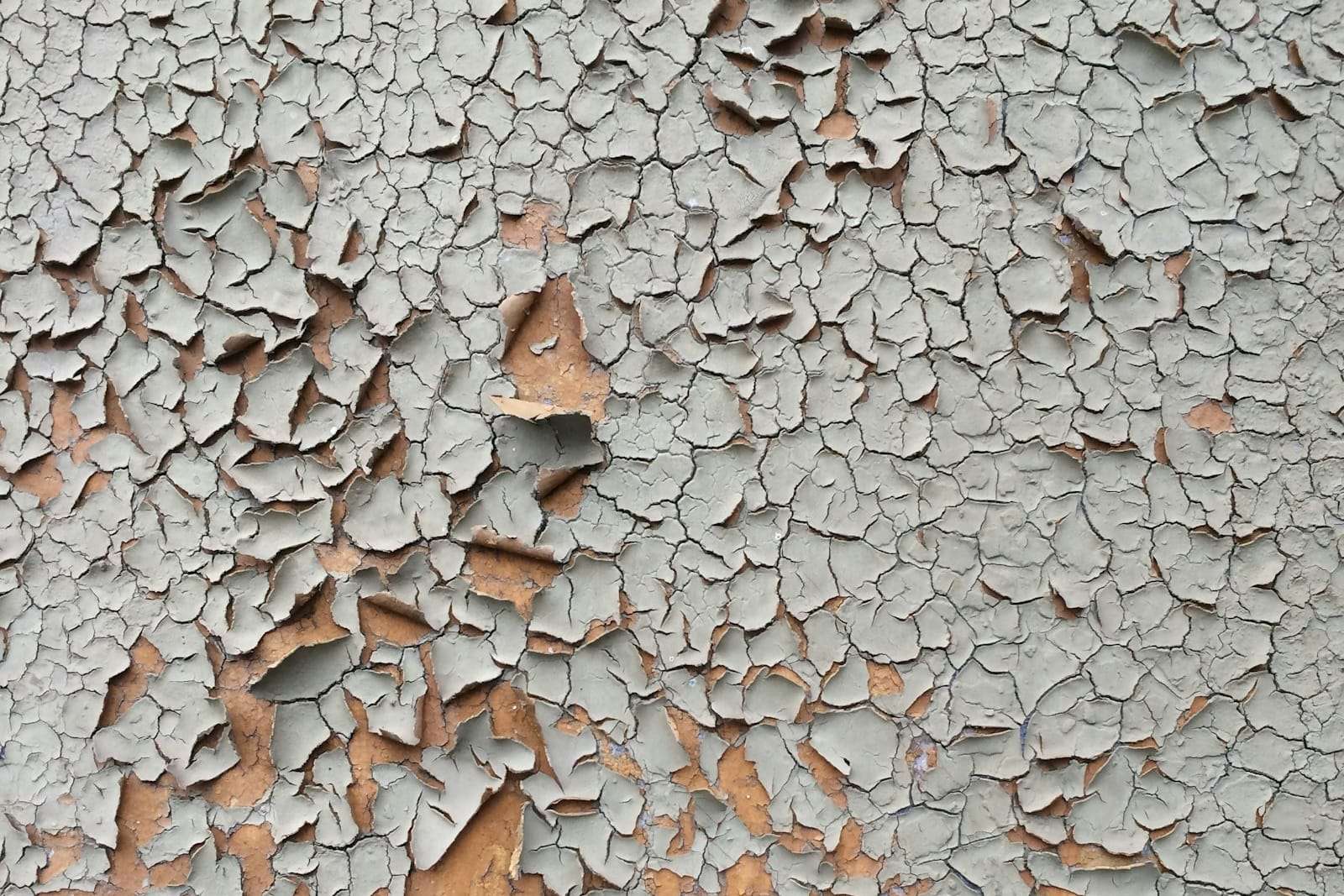
Peeling paint is where asbestos cement gets tricky. Getting loose paint off normally means scraping and sanding back to a sound edge, and those are exactly the kinds of abrasive preparation the guidance warns against on asbestos cement. WorkSafe’s code says that where sanding is required, removing the sheeting and replacing it with a non-asbestos material should be considered.
So if the paint on old eaves or fibro walls is flaking badly, don’t start scraping. Have the sheeting identified first, and if it is asbestos cement, talk to an asbestos professional about whether it should be removed rather than repainted. Our guide to peeling, cracking and blistering paint explains the usual causes, which matter whatever the surface underneath.
Fibro-era homes can also have lead in their older paint layers, especially homes built before 1970. Our guide to lead paint in older homes explains the risks, testing and safe preparation.
When should asbestos eaves be removed, and who does it?
The Victorian Asbestos Hub says removal becomes more urgent when the material is damaged, when planned work will disturb it, when an assessment rates it as high risk, or when it is in a high-traffic area, and it suggests planning for removal even when none of these apply. In the meantime it recommends:
- Not drilling, cutting, sanding, scrubbing or pressure cleaning it
- Protecting it from knocks and damage
- Checking it regularly for cracking, weathering, water damage or surface breakdown
- Telling anyone who works on or visits the property, including tradies and tenants, where it is
For removal, the Hub recommends a licensed asbestos removalist, and WorkSafe Victoria keeps a directory of licensed removalists. Class B licence holders can remove non-friable asbestos, such as asbestos cement sheet in good condition, while friable asbestos needs a Class A licence holder. The Hub notes that builders, electricians and plumbers generally aren’t licensed to remove asbestos, and the same goes for painters.
Asbestos waste must go to a site authorised to accept it. The Hub says not to bury it, dump it, or put it in skips or household bins. It also warns that many home and contents insurance policies exclude asbestos.
Hiring a painter for a house with fibro or old eaves
When you get quotes for an older home, ask each painter:
- Whether they have noticed any eaves, gables or sheeting that may be asbestos cement
- How they will wash and prepare those surfaces, and whether a pressure cleaner will go anywhere near them
- What they will do if they find damaged or peeling sheeting that may contain asbestos
- Whether the quote assumes testing or removal by someone else first
Tell your painter about any asbestos you already know of; the Victorian Hub says anyone working on the property should know where it is. Our guide to how to choose a house painter covers the other questions worth asking, and DIY painting vs hiring a painter helps if you’re weighing up doing it yourself.
AMP Master Painters is a family-owned painting company that has painted Melbourne homes since 1998, and is a member of Master Painters Australia. We’re painters, not asbestos assessors or removalists, so we don’t test or remove asbestos. Every exterior painting job starts with a free site inspection, which is the right time to point out eaves, gables and sheeting that may be asbestos cement, and we plan the preparation around them. If something needs testing or removal, that’s a job for an asbestos professional before we start.
The bottom line
If your home was built or renovated before 1990, treat flat sheet eaves, gables and fibro walls as asbestos cement until a NATA-accredited laboratory says otherwise. Never pressure clean, sand, scrub or drill them. Sound, already-painted sheeting can be repainted with care, but painting is a stopgap, not a fix, and Victoria’s guidance points towards planned removal. If the sheeting is cracked, broken, weathered or peeling, have it assessed and removed by a licensed removalist before anyone paints.