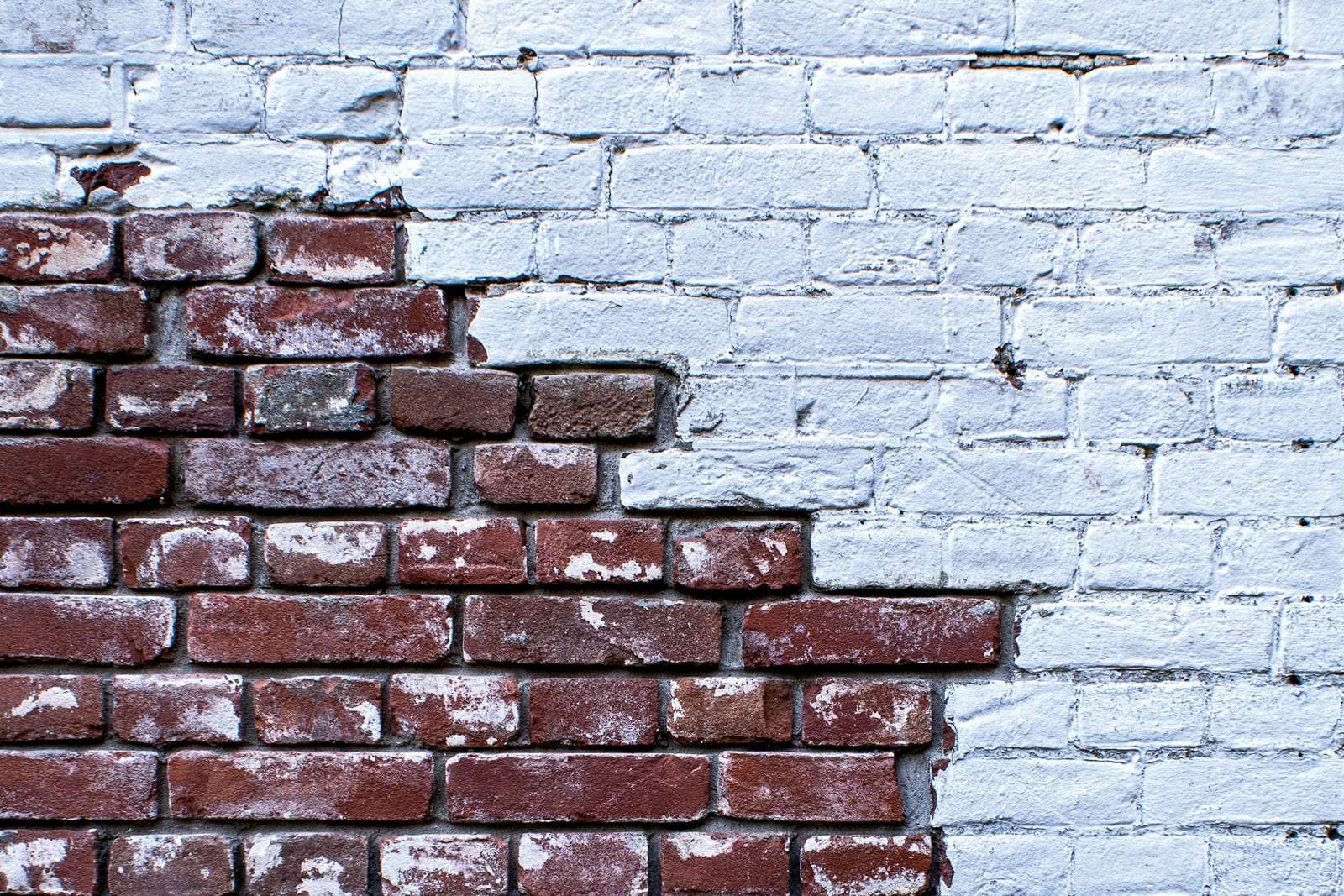
Painting a brick house makes sense when the brick is already painted or bagged and the coating needs renewing, or when the bricks are damaged, mismatched or patched and you have decided you want a painted look for good. It usually doesn’t make sense on sound face brick, because paint is very hard to remove from brick and turns a wall that needed almost nothing into one that needs repainting. If you do paint, the job is mostly about moisture, salts and preparation, and in a Heritage Overlay you may need a permit before you start.
Here’s how to decide, what has to happen before paint goes on, and which coatings suit brick.
Face brick, painted brick or bagged brick: what have you got?
The right approach depends on what is on the wall now.
| Wall | What it is | Usual advice |
|---|---|---|
| Face brick | Unpainted brick, meant to be seen | Leave it as is; clean and repoint instead of painting |
| Painted brick | Brick with one or more coats of paint | Keep it painted; prepare well and repaint on a regular cycle |
| Bagged brick | Brick with a thin cement or acrylic coat that softens the brick pattern, then painted | Keep it painted; check the coating is sound before repainting |
| Rendered brick | Brick with a full render coat that hides the bricks | Treat as render; see our guide to painting rendered walls |
Plenty of Melbourne homes have more than one of these: a face brick front with bagged side walls, or painted brick on an extension. Each surface needs its own decision.
Should you paint a face brick house?
In most cases, no. This is the same advice we give on our exterior house painting service page: face brick that has never been painted is usually best left as it is.
There are three reasons.
- It is very hard to undo. Paint works its way into the texture of the brick and the mortar joints. Stripping it rarely gives you back clean brick, and harsh methods do damage. The City of Greater Geelong’s heritage information sheet on external painting says sandblasting causes irreversible damage and that only approved paint removal poultices that don’t damage the surface should be considered.
- It adds a maintenance cycle. Face brick needs little more than the odd clean and repoint. Once painted, the wall joins the rest of the house on the repainting schedule. Our guide to how often you should repaint your house explains how long exterior coatings usually last.
- It can trap moisture. Writing about painted render, the same Geelong sheet warns that acrylic paints have poor vapour permeability and form a thick film, which can lead to moisture or salt-laden moisture being trapped in the wall. It suggests considering silicate-based paints, which still let vapour through.
That said, there are times when painting face brick is a reasonable choice: bricks that are badly mismatched after an extension, patched brickwork that will never blend, or a style change you are certain about. If that’s you, go in knowing it is a permanent decision and check the planning rules first.
Do you need a permit to paint brick in Melbourne?
You might, if the house is in a Heritage Overlay. According to the City of Glen Eira’s Heritage Overlay guidance, a permit is required to externally paint an unpainted surface, and face brick is exactly that. In some cases the overlay schedule also applies external paint controls to a property, which can bring repainting of already painted surfaces under a permit too.
Routine maintenance that doesn’t change how the heritage place looks, and uses the same details, specifications and materials, generally doesn’t need a permit. Glen Eira suggests checking your property on VicPlan, the Victorian Government’s planning property report tool.
Councils also have their own policies. Geelong’s sheet, for example, says painting previously unpainted surfaces such as brick walls and chimneys should be avoided unless there is evidence the surface was originally painted. Rules differ between councils, so confirm with yours before work begins. This is general information, not legal advice. Our guide to painting a Victorian, Edwardian or bungalow home covers heritage colours and permits in more detail, and our heritage house painting service starts by checking for an overlay.
Why does brick go white and powdery?
A crusty white deposit on brick or mortar is usually efflorescence. Dulux describes it as mineral salts that leach out of masonry as moisture moves through it, mainly calcium carbonate, and says it must be removed before painting because it forms a poor, crumbly base. Salt crystals growing under a coating can also push the paint off.
Dulux makes two points that matter for brick houses:
- Efflorescence needs moisture. The water may come from outside the wall, such as groundwater, or from within, such as rising damp. Efflorescence from leftover construction moisture usually stops as new masonry dries, but if it keeps coming back, water is still getting in.
- Fix the water first. Dulux says affected surfaces should not be repainted until the moisture source has been found and eliminated or blocked, and that a waterproofing specialist may be needed.
On a brick house, places worth checking include leaking gutters and downpipes, garden beds or paving built up against the wall, and failed mortar joints. Painting over the salts without fixing the water problem only traps it behind a new coat.
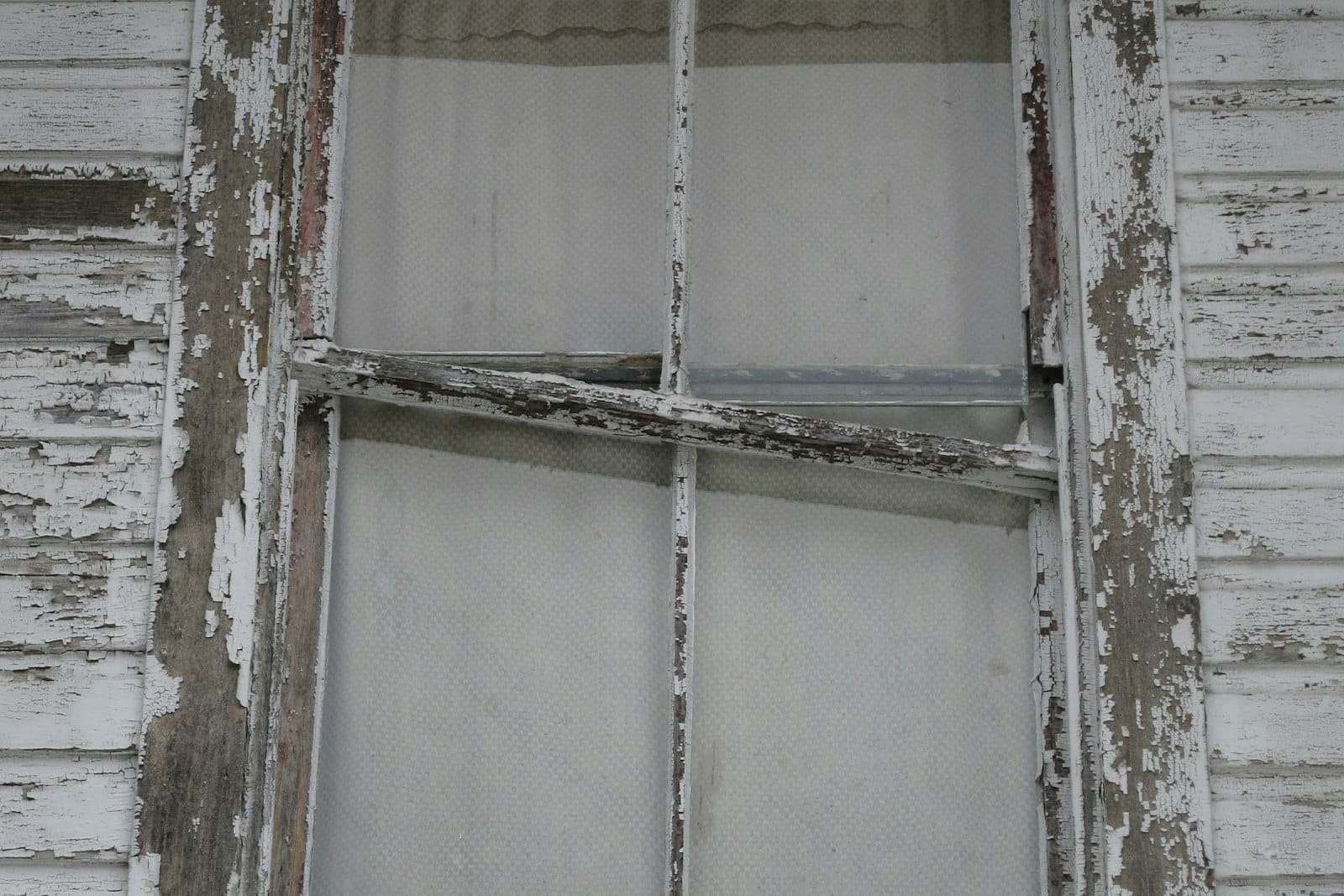
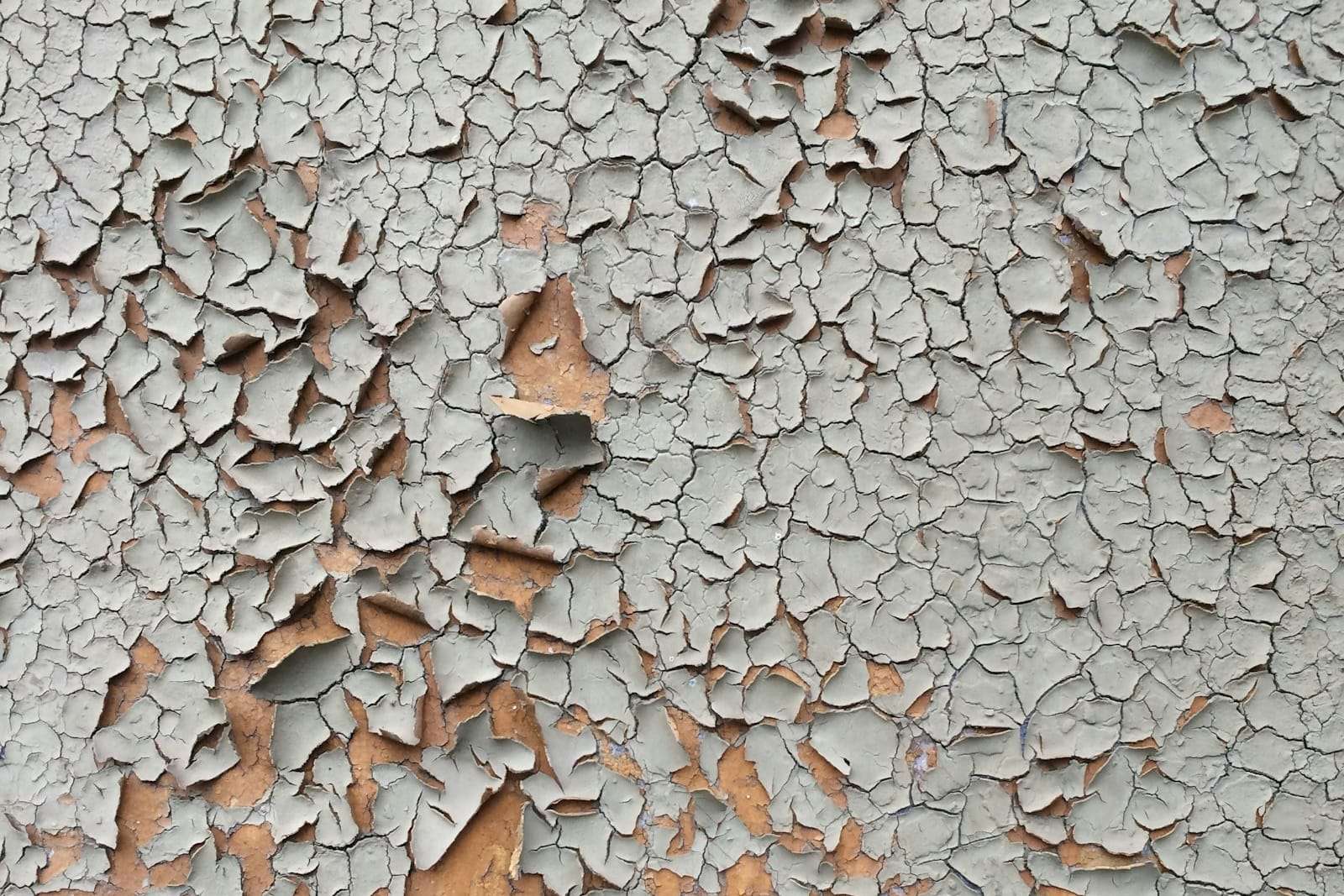
If the old paint on your brick is already lifting or bubbling, our guide to peeling, cracking and blistering paint will help you work out why.
How to prepare brick for painting
Preparation is what makes paint on brick last. On an older house, check for lead first: Dulux states that most Australian homes built before 1970 were coated with paints containing lead, and it advises against dry sanding or scraping, heat guns and high-pressure water blasting on lead paint. Our guide to lead paint in older homes explains testing.
Clean the wall
Dulux’s Weathershield Low Sheen instructions for masonry are to clear away loose sand and cement, wash the wall with water and a stiff brush, and treat any mould or moss with a bleach solution or a demossing chemical before hosing down and letting it dry.
Remove salts
For efflorescence, Dulux’s advice is to dry brush the salts off with a stiff brush, then wet sponge the surface with a mild 5% white vinegar solution, wipe with a damp cloth and let it dry thoroughly. Damaged paint should be removed first. Severe cases need stronger treatment by an experienced contractor.
Repair holes and joints
Dulux suggests patching holes with grouting cement. Cracked or crumbling mortar should be repointed, and cracks that step through the brickwork or keep growing can be a sign of movement, so get them looked at before they are painted over.
Let it cure and dry
New masonry needs time before it is painted. Dulux says unpainted masonry should cure for 28 days before painting with Weathershield, and Taubmans gives the same 28 days for masonry, cement render and mortar in its Moroka Bag & Paint datasheet. Dryness matters on old brick too: Dulux advises not painting masonry with a moisture meter reading above 10%. A wall that has just been washed, or that has been through a wet week, may need several dry days.
Seal if needed
Once the wall is sound, clean and dry, Dulux recommends an alkali-resistant sealer before topcoats on masonry that has had efflorescence. Chalky or powdery old paint also needs a binding primer so the new coat can grip.
What is the best paint for exterior brick?
Use a quality exterior acrylic that the maker lists for masonry, in a system matched to the wall’s condition.
- Exterior acrylic. Dulux’s guide on how to paint brick recommends Weathershield, and the Weathershield Low Sheen page lists bricks and masonry among its surfaces. It describes the product as self-priming on most surfaces, says to apply two coats to a clean, sound and properly prepared surface, and notes that the first coat can be thinned with up to 100 mL of water per litre on very porous surfaces.
- Rough brick takes more paint. Dulux’s brick guide lists an 18 mm nap roller, which reaches into textured brick and mortar joints better than a short nap. Expect to cut in the joints with a brush as well.
- Breathable systems. Where moisture is a concern, or on heritage masonry where painting has been approved, ask about more vapour-permeable coatings such as the silicate paints Geelong’s heritage sheet mentions.
Weather matters as much as the product. Dulux says Weathershield needs temperatures above 5°C during application and drying, and should not be applied on excessively cold or humid days or when rain is forecast. Our article on the best time of year to paint your house exterior in Melbourne explains the seasons.
If you are choosing a colour for painted brick, think about the roof, windows and any face brick you are keeping. A colour consultation helps you test colours on the house in your own light, and our guide to choosing exterior house colours in Melbourne has more ideas.
When are bagging or render a better choice than paint?
If you want brick to look different rather than just change colour, bagging or render may suit you better than paint alone.
Bagging is a thin coat rubbed over the brick that softens the brick pattern into a textured finish, which is then painted. Taubmans’ Moroka, for example, is described in its datasheet as a pre-coloured two-coat system designed to give a medium-profile bag and paint effect while bridging hairline cracks in masonry, and it is designed to resist efflorescence. Taubmans recommends it for flush mortar brick walls, concrete and cement render, and gives an application range of 10°C to 35°C.
Render covers the brick completely for a smooth or textured wall. It’s a bigger job, but it can hide patched and mismatched brickwork that paint and bagging would still show. Our render painting service covers bagged and rendered brick, and our guide to painting rendered walls explains curing, cracks and salts.
Both options share paint’s main drawback: once the brick is covered, it stays covered, and the coating will need recoating in future. And under a Heritage Overlay, both count as changing an unpainted surface, so check with your council first.
What does it cost to paint a brick house?
The independent cost guide What’s The Damage says Melbourne’s brick veneer homes are generally cheaper to paint externally than weatherboard. Our exterior house painting cost guide has current Melbourne price ranges by storey and cladding type. Repointing, salt treatment and moisture repairs are separate items, so make sure any quote spells them out.
Can you paint a brick house yourself?
A low brick garden wall or letterbox pier that is already painted is a fair DIY job: clean it, treat any salts, let it dry and apply two coats. A whole house is a bigger undertaking, with height, moisture checks, possible lead paint and a permanent decision if the brick hasn’t been painted before. Our guide to DIY painting vs hiring a painter helps you decide.
AMP Master Painters is a family-owned company that has painted Melbourne homes since 1998, using premium Dulux, Taubmans and Wattyl paints. We start every job with a free site inspection, where we look at the brick, mortar, salts and any existing coatings, and tell you honestly if we think the brick is better left unpainted. You’ll usually have a written quote the next day.
The bottom line
If your brick has never been painted and it’s in reasonable condition, leave it, clean it and repoint where needed. If it’s already painted or bagged, keep it painted: fix any moisture problem first, remove salts, let the wall dry and use a quality masonry system in good weather. And if you are thinking of painting, bagging or rendering face brick, check for a Heritage Overlay before you commit, because it’s a change that is very hard to reverse.