Painting your house before selling works best when you focus on what buyers see first: the street view and front entry, then the living areas, kitchen and main hallway, plus any stains, peeling or bold colours that raise questions. Fix the cause of any damage before you paint, choose whites and soft neutrals that suit the house, and time the job so it is finished and dry well before the photographer arrives. A whole-house repaint is rarely needed.
This guide goes room by room and surface by surface, so you can sit down with your agent and decide what is worth doing for your house and your budget.
Is it worth painting your house before you sell?
Usually, yes, as long as the work is targeted. Buyers judge a house quickly. Dulux’s guide to styling your exterior for sale points out that buyers often form an opinion before they even step inside, and its guide to the best colours to style a home for sale says buyers are trying to picture their own life in the rooms they walk through.
Paint helps in two ways:
- It makes the house look cared for. Scuffed walls, flaking trims and a weathered front fence suggest maintenance has been put off, even when the house is sound.
- It removes distractions. A dark feature wall or a strongly themed child’s bedroom makes it harder for buyers to imagine their own furniture.
What paint can’t do is fix a problem underneath. That is covered further down, and it matters more than any colour choice.
We don’t quote figures for how much a repaint adds to a sale price, because we haven’t found a reliable, published Melbourne source for one. Your agent knows your local market and can tell you what buyers in your area expect.
Which parts of the house should you paint first?
Think about the order a buyer experiences the house: the listing photos, the walk from the street, the front door, then the rooms they spend the most time in.
The street view and front entry
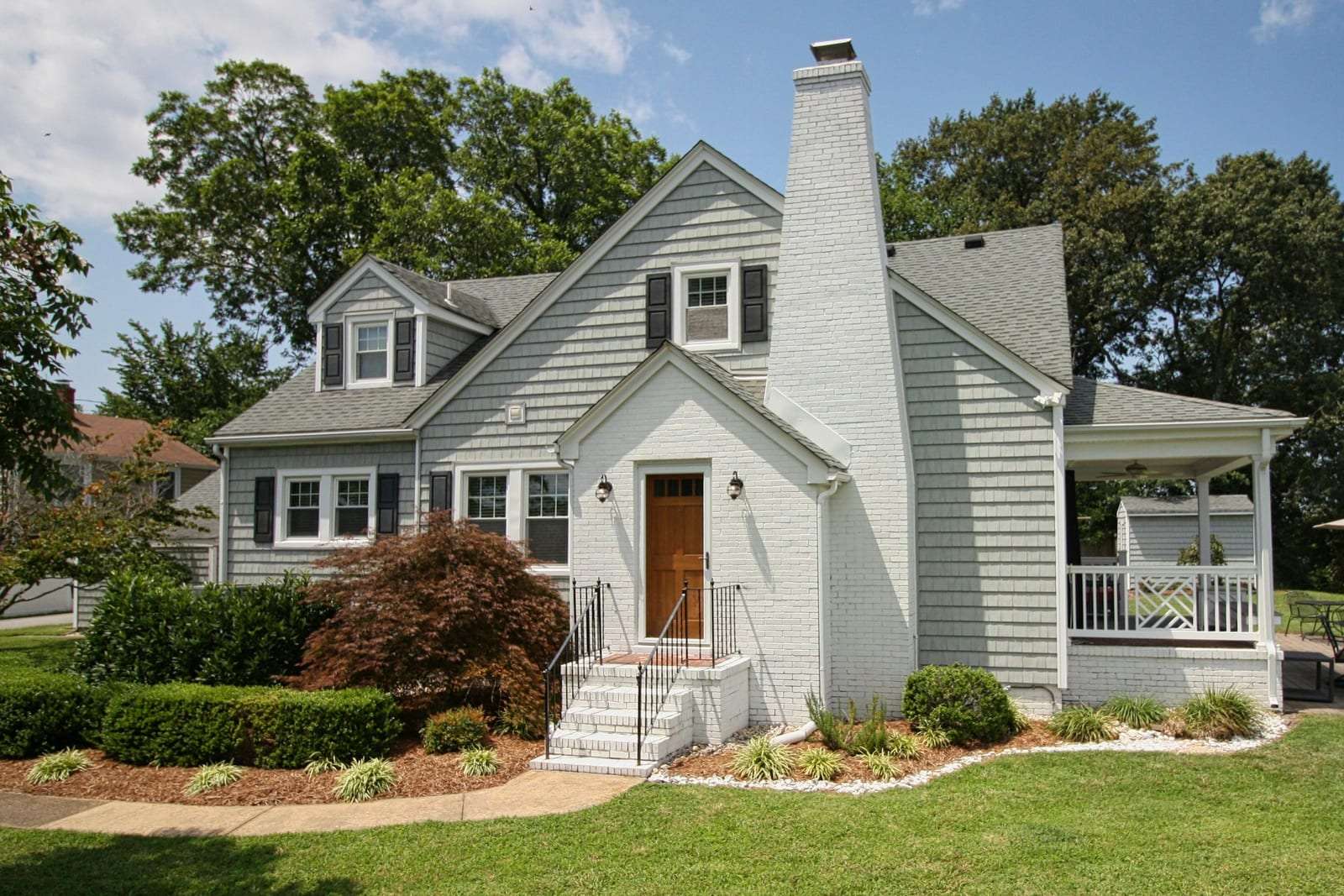
The front of the house is usually the first listing photo and the first thing buyers see in person. Dulux’s exterior guide suggests touching up worn trims so the home looks well maintained, refreshing fencing, and giving a patio or deck a fresh coat. Areas worth checking:
- The front fence and gate
- The front door, its frame and any sidelights
- Window frames, sills and eaves on the street side
- The verandah or porch, including posts, balustrades and floor
- Fascias and barge boards, where peeling is easy to see from the footpath
If the fence or deck is timber, our guide to deck and fence painting vs staining explains which finish suits each surface.
Living areas, the kitchen and the main hallway
These are the rooms where buyers linger during an open for inspection, and the ones that appear most in photos. Hallways take the most knocks from furniture and bags, so marks show quickly. Painting these areas often makes the biggest difference inside.
Ceilings with stains
A brown water stain on a ceiling makes buyers ask what else has leaked. Taubmans’ guide to repainting a ceiling says the source of any water stain or leak needs to be fixed first, and the remaining stain should be sealed with a stain blocker before the ceiling paint goes on. Without that step, stains tend to show through again.
Doors, skirting boards and architraves
Woodwork collects chips and fingerprints. A fresh coat on doors, skirtings and architraves sharpens a room even when the walls only need a wash, and it is often cheaper than repainting every wall.
What can usually wait
If the budget is tight, bedrooms in reasonable condition, the laundry, the garage and the back of the house can often be cleaned and touched up rather than repainted. Ask for a quote that lists each area separately, so you and your agent can see what each part costs.
What should you fix before painting?
Paint over a problem doesn’t hide it for long, and buyers are encouraged to look closely. Consumer Affairs Victoria’s advice to buyers on inspecting properties before you buy recommends that they consider engaging a qualified building inspector, surveyor or architect before signing a contract. The same page lists warning signs buyers should look for, including damp brick walls, which can indicate rising or salt damp, and blisters or bubbles in paintwork, which can indicate termite activity.
So before painting, deal with the cause:
| What you see | What to do before painting |
|---|---|
| Water stain on a ceiling | Find and fix the leak, then seal the stain with a stain blocker |
| Mould in a bathroom or laundry | Treat the mould and improve ventilation, then use a paint made for wet areas |
| Peeling or blistering paint | Find out why it failed, scrape back to a sound edge and prime |
| Cracked plaster or render | Fill and sand properly, and ask a builder about any crack that keeps reopening |
| Soft or rotten timber | Replace it before painting |
| Damp patches low on brick walls | Get advice on the cause before covering it |
Our guide to peeling, cracking and blistering paint explains what common paint faults mean, and our article on painting kitchens and bathrooms covers mould and moisture.
Older homes and lead paint
Many Melbourne homes have layers of old paint, and older layers may contain lead. Preparation that creates dust, such as dry sanding, needs care in those homes. Our guide to lead paint in older Melbourne homes explains how to find out and what safe preparation involves.
What colours should you paint a house before selling?
The aim is broad appeal, not a statement.
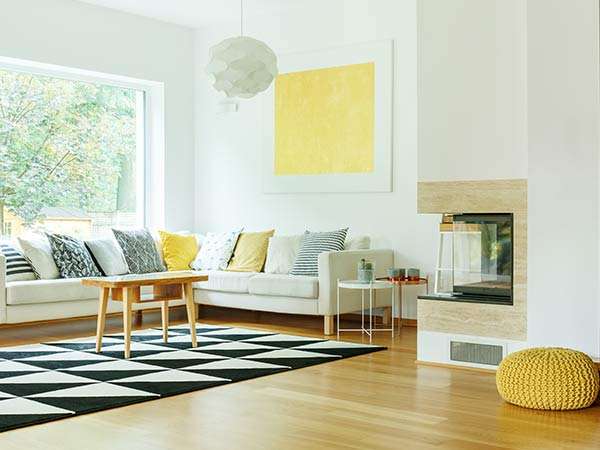
Inside: whites and soft neutrals
Dulux’s guide to the best colours to style your home for sale leads with neutral classics for their versatility and broad appeal, naming White on White, White Exchange Half and Warm Neutral as examples. It also suggests soft blues and greens for bedrooms and bathrooms, and pale greys for main walls in light spaces.
A few practical points:
- Keep it consistent. One wall colour through the living areas and hallway makes the house feel larger and more connected in photos.
- Match the light. Cool whites can look grey in a dark, south-facing room, where a warmer white often looks better. Our guide to colours for small and dark rooms explains why.
- Repaint bold feature walls. A neutral finish lets buyers picture their own furniture.
- Test before you buy. Paint large samples and look at them in the morning and evening. Our guide on how to test paint colours shows how.
Outside: suit the house and the street
Dulux’s exterior guide recommends colours that suit the architectural style of the home and appeal to a wide range of buyers. On a Victorian or Edwardian house that may mean period-appropriate colours; on a post-war brick veneer it often means a clean trim colour that works with the existing brick and roof. Our guide to choosing exterior colours for a Melbourne home walks through building a scheme around the roof, brick and windows you won’t repaint.
If the house is a period home or sits in a heritage area, our guide to painting a Victorian, Edwardian or bungalow home covers colours and when a council permit may be needed.
Choosing a finish that photographs well
Low sheen is the usual choice for walls in living areas because it wipes clean. Semi-gloss suits doors and trims. Our guide to paint sheen levels compares the options.
When should you paint before a sale?
Work backwards from the dates your agent gives you: the photography day, the first open for inspection and, if the house is being styled, the day the stylist moves furniture in.
Allow for drying and curing
Paint is dry to the touch long before it is fully hard. Dulux’s product page for Wash&Wear Low Sheen gives a touch-dry time of 30 minutes and a recoat time of 2 hours, but its guide to caring for Dulux paint says it can take around a full week under normal weather conditions for the paint to develop full washability. Freshly painted walls mark more easily while they cure, which matters when furniture is being moved back in.
Check the data sheet for the product your painter uses, because drying times vary between paints and with the weather.
Allow for the weather outside
Exterior painting depends on the weather. Rain, dew and very hot days all limit when paint can go on. Our guide to the best time to paint a house exterior in Melbourne explains the seasons. If you are listing in spring, book exterior work early and leave room in the schedule for a few lost days.
How long will the job take?
That depends on how much you paint and whether the house is empty. A vacant house is quicker because there is no furniture to move. Our article on how long it takes to paint a house gives typical timeframes.
Painting a rented house before you sell
If the property is tenanted, Victorian renting laws affect access. Consumer Affairs Victoria’s page on when a rental provider can enter a property sets out the rules, including:
- The renter must have received a notice of intention to sell at least 14 days before the first entry to show buyers through.
- Showing the property to buyers needs 48 hours’ written notice, and sales inspections are limited to twice a week for no more than an hour each, unless the renter agrees otherwise. The renter is entitled to compensation for each sales inspection.
- Taking photos or videos for advertising needs 7 days’ notice.
- Entry for repairs or other legal responsibilities needs 24 hours’ notice.
- Entry is only allowed between 8am and 6pm, and not on public holidays, unless the renter agrees.
Painting isn’t named in that list, so ask your agent or Consumer Affairs Victoria which notice applies before booking painters into a tenanted home, and agree times with the renter. General information, not legal advice.
How much does painting before a sale cost?
It depends on what you paint. Our guide to the cost to paint a room in Melbourne gives published price ranges for single rooms, ceilings and feature walls, and our exterior house painting cost guide covers the outside. A quote that lists the front entry, each room and the woodwork separately lets you choose the areas that matter most and leave the rest.
Should you paint it yourself or hire a painter?
A small touch-up in a spare room is a reasonable DIY job. A sale adds pressure: the finish has to look good in high-resolution photos, the work has to be finished by a fixed date, and patchy cutting in or roller marks are easy to see. Our comparison of DIY painting vs hiring a painter weighs up the trade-offs.
Getting your house ready with AMP
Our pre-sale painting service starts with a free site inspection, ideally with your agent’s list of what buyers will notice, and you usually receive a written quote the next day. We schedule the work around your campaign dates, and our interior painting team protects floors and furniture while we work. If you’re unsure about colours, a colour consultation can help you choose a neutral scheme that suits the house.
AMP Master Painters is a family-owned business that has painted Melbourne homes since 1998 from our base in Doncaster East. We use premium Dulux, Taubmans and Wattyl paints, and every job carries a written 7-year guarantee.
The bottom line
Paint the parts of the house buyers see first: the street view and entry, then the living areas, kitchen, hallway and any stained ceilings or marked woodwork. Fix the cause of leaks, cracks and peeling before you paint, because buyers’ inspectors look for those signs. Choose whites and soft neutrals that suit the house, finish at least a week before the photos, and if the house is rented, plan access around Victoria’s notice rules.